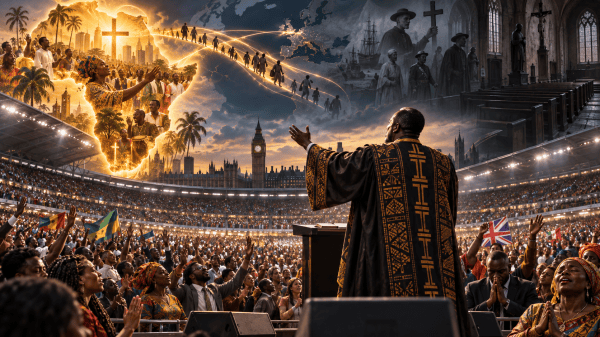
CNN sees African preachers filling Western stadiums and calls it a reversal, but the missionary map began changing long before the flights turned north. Africans were never silent objects of Christian mission: they preached, translated, built churches, and fought European control over institutions their own labor sustained. Today, African-led churches command missionaries, money, property, and... Continue Reading →
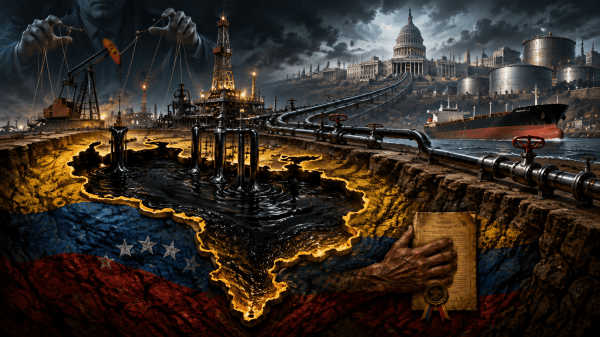
The Deed Stays in Caracas: How Washington Commands Oil It Doesn’t Own
Delcy Rodríguez's shocking pivot from anti-imperialist rhetoric to endorsing U.S. oil agreements is less a political betrayal and more an unveiling of Venezuela's fractured sovereignty. The narrative is explosive: as Washington tightens its grip, national ownership of oil assets becomes a hollow claim, with real power shifting to private capital and American influence. The illusion of control is shattered—Venezuelans are left to wrestle with a new reality where contracts dictate who profits from their resources. The stakes are high, as demands for transparency and public scrutiny grow louder; will the oil wealth truly benefit the people, or simply reinforce the power structures in play?
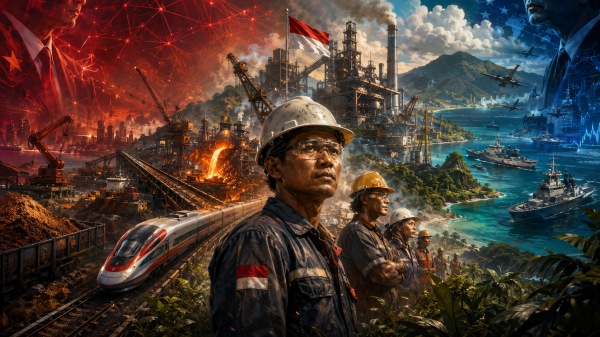
Sovereignty Built on Foreign Steel: Indonesia’s Industrial Rise and the Fight Over Who Commands It
Indonesia is ensnared in a web of foreign capital and corporate power, straddling the interests of Beijing and Washington while striving for autonomy. Its dependency on Chinese investment for industrial growth is creating complex struggles over resource control and worker rights. While the state seeks to regulate foreign involvement in its burgeoning industries, genuine sovereignty hinges on who truly reaps the benefits. Rhetoric about maintaining balance belies a troubling reality: as the nation builds industrial capacity, the power dynamics increasingly favor foreign interests, leaving local workers and communities grappling for their rightful share in this economic transformation.
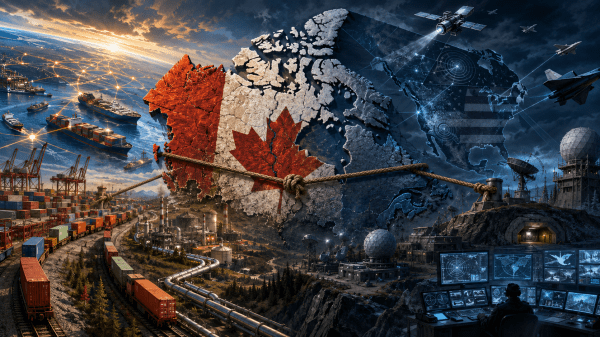
The Freight Is Moving, the Guns Aren’t: Canada Between Multipolar Markets and Atlantic Command
Canada’s century-old continental bargain with the United States built factories, pipelines, profits, and military integration into the same structure that Washington can now turn into leverage. Yet Canada was never merely an American dependency: its banks, mining firms, pension funds, and corporations grew into a secondary imperial power capable of exercising domination abroad even while... Continue Reading →