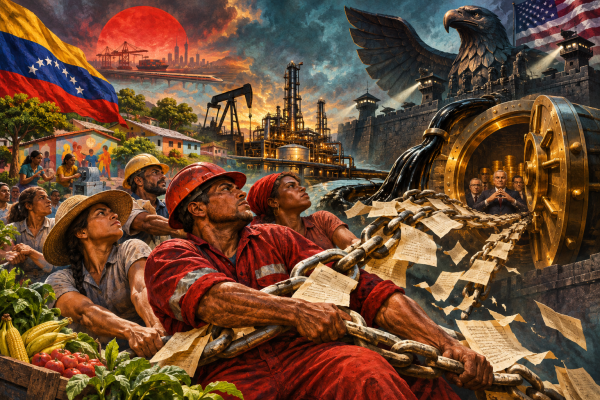
While Reuters celebrates the renewed confidence of international bondholders, the historical relationship between Venezuela's indebtedness and Washington's economic siege goes largely unexplored. From financial sanctions and distressed-debt speculation to petroleum concessions and geopolitical restrictions on debt restructuring, the imperial state is assembling mechanisms through which the coercion of yesterday can become the financial command of... Continue Reading →
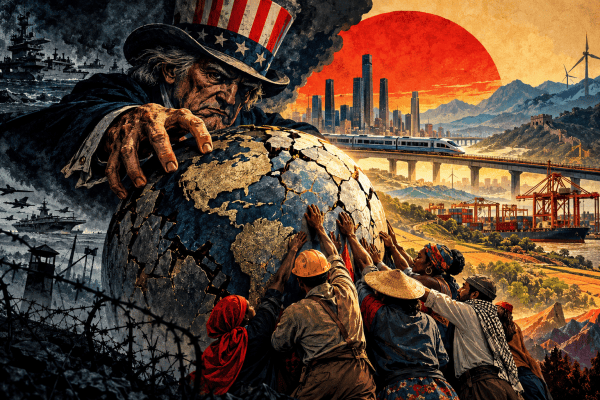
The Empire Lost Its Monopoly: Multipolarity, Class War, and the Fight to Own the Future
The imperialist façade is cracking as formerly colonized nations wield newfound agency, emboldened by China's socialist rise and BRICS collaboration. However, the narrative masks a grim reality: national sovereignty does not guarantee liberation from domestic exploiters. The struggle continues within, where local elites may replace imperial masters but retain the chains of economic subordination. This interplay reveals that power dynamics hinge on who decisively controls production and profits. As multipolarity expands possibilities, the essential question looms—will the working class finally seize genuine control over the fruits of their labor, or remain spectators in their own liberation? The era demands they reclaim agency—no more invitations.
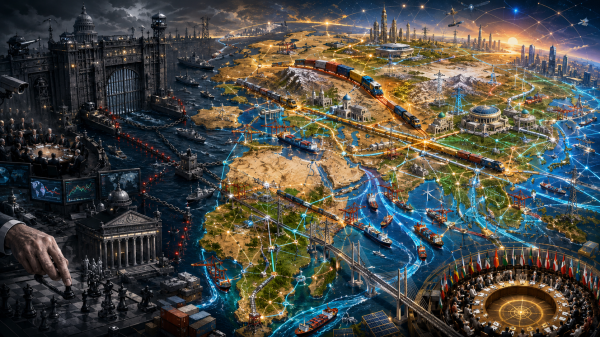
The Empire Still Holds the Gates: Multipolarity Builds Roads Around Them
Multipolarity isn't a new empire but a complex web of power dynamics where countries strive for developmental autonomy without severing ties to imperial centers. Though emerging institutions like BRICS and SCO offer alternatives, they reveal a deeper truth: political independence doesn't guarantee economic sovereignty. The geopolitical landscape is increasingly messy; states are interconnected yet vulnerable. For every summits attended and partnerships forged, underlying dependencies remain unchallenged. The real question isn’t where countries sit on a world map; it’s who controls resources and technology within their borders. True liberation from exploitation lies not in diplomatic participation but in addressing internal inequalities and class power.
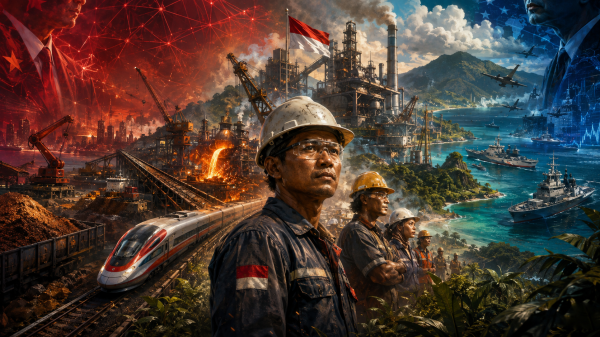
Sovereignty Built on Foreign Steel: Indonesia’s Industrial Rise and the Fight Over Who Commands It
Indonesia is ensnared in a web of foreign capital and corporate power, straddling the interests of Beijing and Washington while striving for autonomy. Its dependency on Chinese investment for industrial growth is creating complex struggles over resource control and worker rights. While the state seeks to regulate foreign involvement in its burgeoning industries, genuine sovereignty hinges on who truly reaps the benefits. Rhetoric about maintaining balance belies a troubling reality: as the nation builds industrial capacity, the power dynamics increasingly favor foreign interests, leaving local workers and communities grappling for their rightful share in this economic transformation.