USAID did not simply deliver humanitarian aid—it institutionalized a model of empire that fused relief, civil society, media, governance, and development into the machinery of U.S. foreign policy. Excavating an NPR interview with former USAID Administrator Samantha Power, this essay exposes how liberal narratives of compassion obscure the agency's role inside the broader NGO-industrial complex. Drawing on anti-imperialist scholarship and Global South perspectives, it argues that the real choice is not between aid and no aid, but between imperial dependency and sovereign development. The struggle ahead is to defend the people harmed by aid cuts while dismantling the donor architecture that transforms solidarity into supervision.
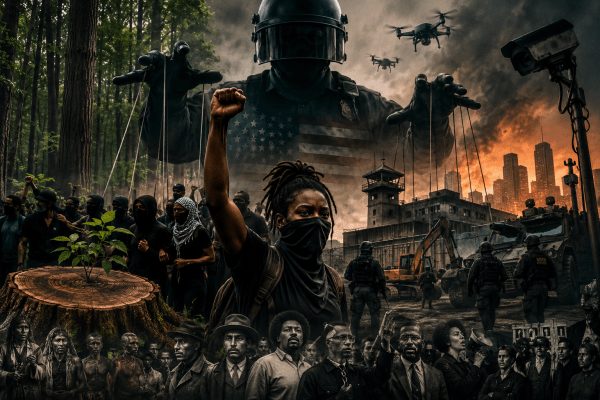
Cop City Is the Counterinsurgency Campus: How “Antifa” Became the New Name for the Old Domestic Enemy
The Guardian's coverage of Trump's "antifa" prosecutions highlights a covert escalation of systemic repression rather than the emergence of a new threat. While it depicts the federal indictment against Cop City protesters as a shocking maneuver, this is merely the latest play in a long history of state-sponsored violence rooted in colonialism, slavery, and counterinsurgency tactics. The narrative frames Trump as the villain while obscuring the entrenched architecture of oppression that transcends his administration. The real battle lies in organizing effective resistance, connecting various social justice movements, and building robust defense mechanisms amidst a climate poised for increasing militarization and legislative warfare against dissent.
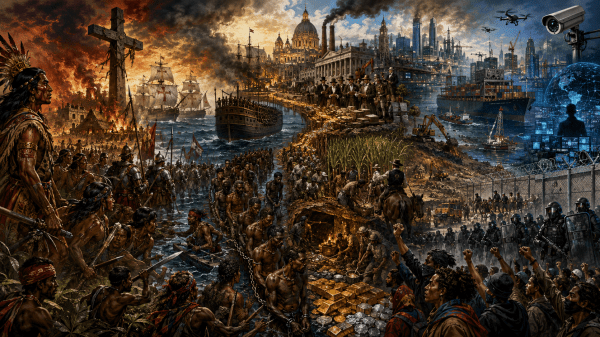
The World Was Not Discovered: Genocide, Slavery, and the Birth of Capitalist Empire
History is often told from the perspective of conquerors, romanticizing imperialism as a noble endeavor of “discovery.” However, this narrative ignores the vibrant, complex societies that existed long before European arrival; civilizations rich in culture and knowledge prepared to resist. The so-called “Age of Discovery” merely facilitated violent conquest, genocide, and exploitation. Colonialism and capitalism are intertwined, with wealth extracted through enslavement and land theft, while underdevelopment in colonized regions resulted from this systematic violence. Today, the consequences of colonialism persist, as neo-colonial strategies manipulate economies and suppress sovereignty. To reclaim the future, societies must confront this history, recognize the pain of oppression, and organize for a just world, free from the chains of empire.
Capital vs. the Commons: The War on Women, Land, and the World Proletariat
This Weaponized Intellects review of Caliban and the Witch by Silvia Federici excavates how capitalism emerged not as progress, but as a counter-revolution forged through land theft, colonial conquest, and the violent subjugation of women’s bodies. It traces the medieval struggles of peasants, workers, and heretics to show that another world was not only imagined—but... Continue Reading →
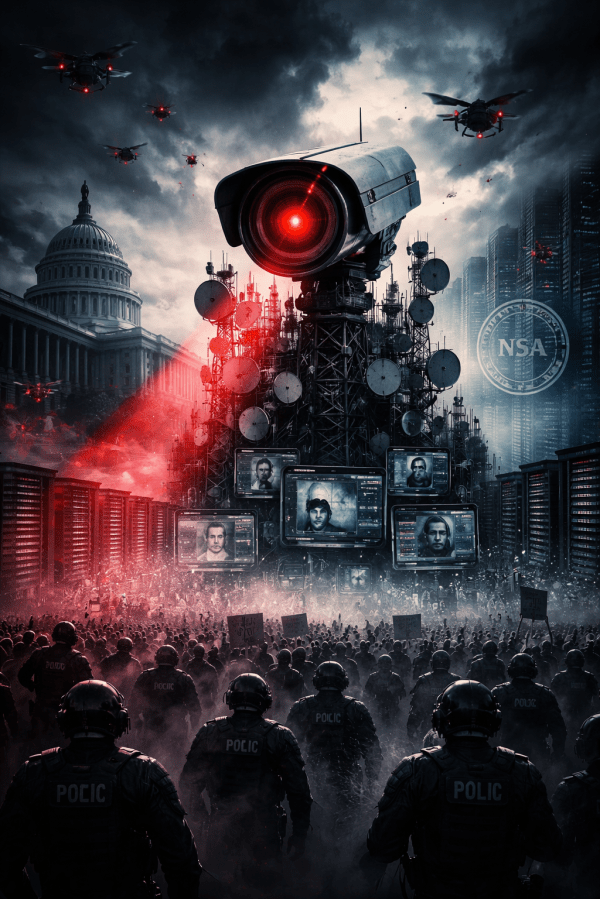
The Machine Was Built to Watch You: How Bipartisan Power Engineered America’s Surveillance State
They tell you this is about Democrats failing to stand up to Trump, but that’s a lie—both parties built the spy machine together. The receipts show a straight line from the Patriot Act to Section 702, signed, funded, and protected by the same politicians now playing concerned. What we’re dealing with isn’t a policy debate—it’s... Continue Reading →
The Big Payback: Settling Accounts with the Paid Piper of Western Marxism (Part 1)
A ruthless chapter-by-chapter assault on Herbert Marcuse’s Soviet Marxism: A Critical Analysis, exposing it not as some noble “immanent critique” of actually existing socialism, but as a polished work of Cold War Western Marxist sabotage—an effort to sever Marx from Lenin, dialectics from revolution, and theory from the hard, blood-soaked labor of building socialism under... Continue Reading →
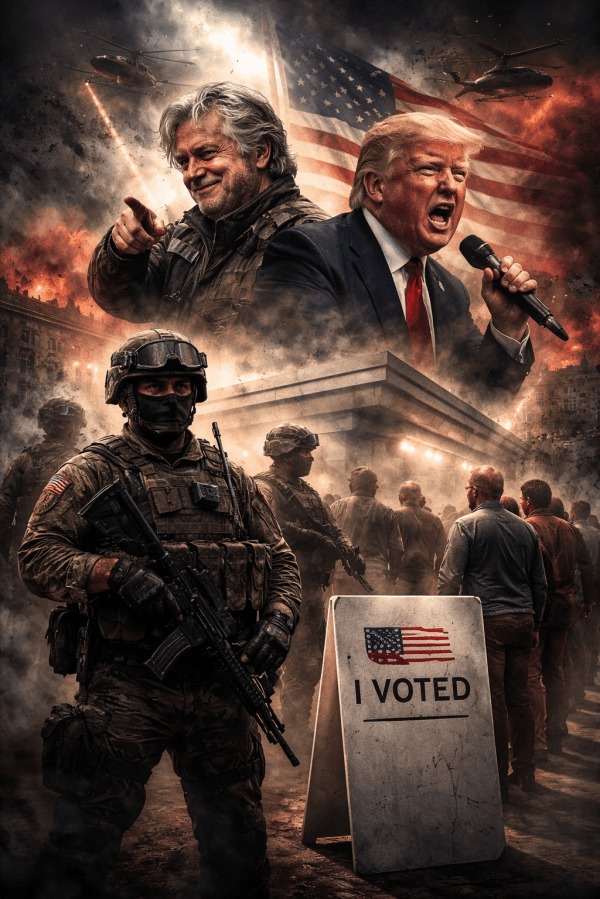
Trump, Bannon, and the Quiet Militarization of the Ballot
A media spectacle reframes intimidation as mere rhetoric. Administrative power is already reorganizing elections from above. Imperial crisis turns participation into a security problem. Political space is defended only through organization from below. By: Prince Kapone | Weaponized Information | February 6, 2026How the Press Turns a Threat Into “Just Talk” The article under excavation,... Continue Reading →
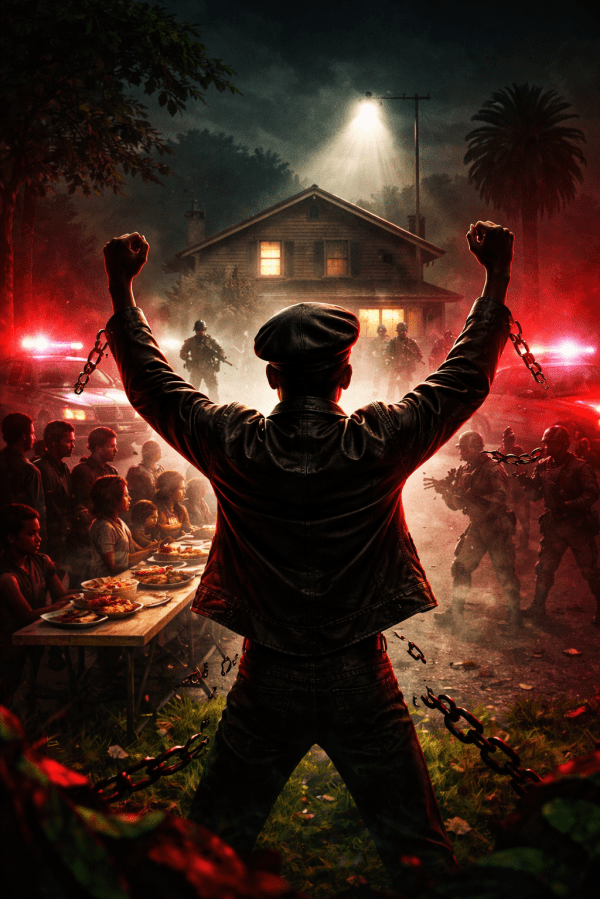
Lil’ Bobby Hutton and the Generation That Refused to Beg
A teenage Panther whose life exposed the colonial reality inside the United States. His political awakening marked the rise of organized Black revolutionary youth. His killing revealed how the state responds when the oppressed build power.His memory remains a lesson in struggle, organization, and historical continuity. Prince Kapone | Weaponized Information | Black History Matters... Continue Reading →
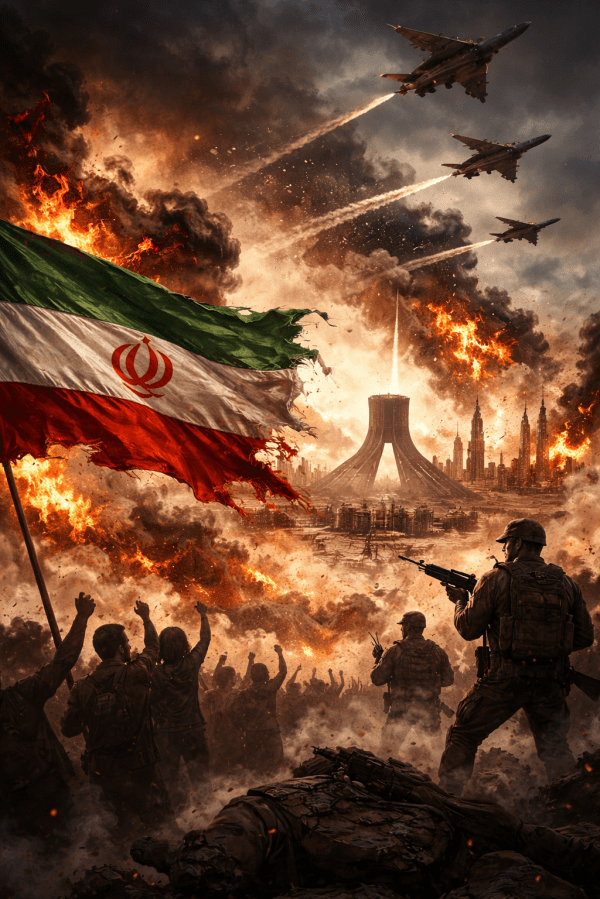
Iran Under Hybrid War: Sanctions, Sabotage, Terror Proxies, and the Long Siege Against Sovereignty
A forensic reconstruction of how sanctions, sabotage, terror proxies, narrative warfare, and regional forward bases have converged into a full-spectrum hybrid war against Iran — and why the January 2026 unrest is not a spontaneous crisis, but the latest front in a decades-long campaign to break an independent state.By Prince Kapone | Weaponized Information |... Continue Reading →
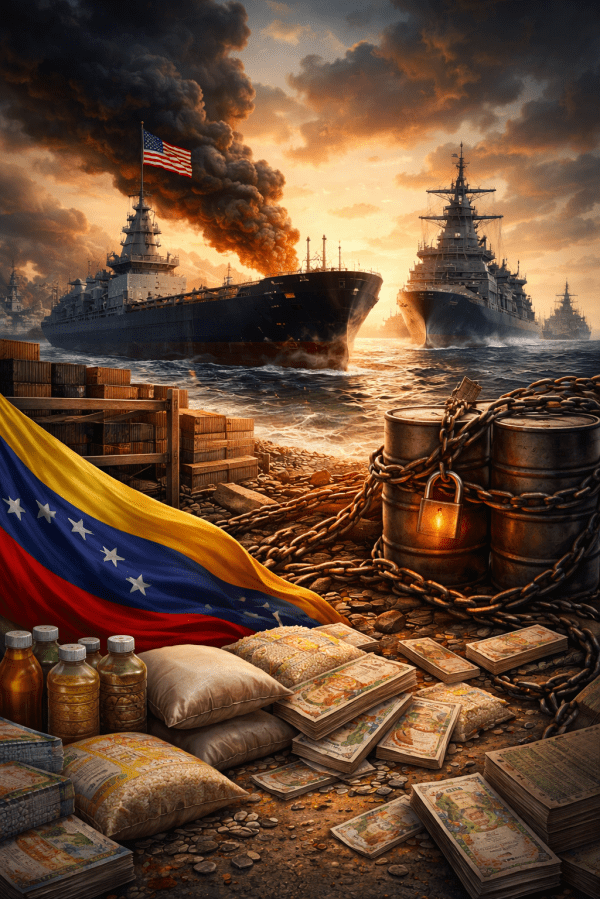
Fortress America and the Oil Ultimatum: Venezuela, Hyper-Imperialism, and the Open Consolidation of the American Pole
This essay argues that Trump 2.0 marks the open phase of U.S. hyper-imperialism, where coercion replaces consent and hemispheric dominance is enforced without disguise. Using Venezuela as the central case, it traces how leader abduction, naval encirclement, oil custodianship, and legal warfare form a consolidated strategy to subordinate sovereign states to the American Pole under... Continue Reading →