The Shield Became the Target: Washington Moved the Battlefield Into the Gulf

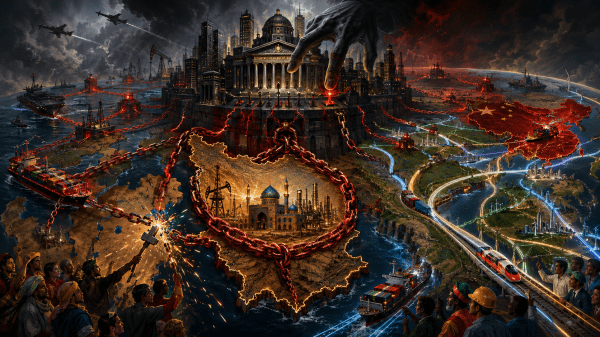
The Gulf monarchies, once loyal to Washington's military dominance, are now scrambling for survival in a world where Iranian aggression opposes their established security framework. The ongoing war has exposed a perilous contradiction: the very American military infrastructure meant to protect the Gulf states has rendered them vulnerable to Iranian strikes. As the U.S. becomes a less reliable ally, these nations are cautiously seeking dialogue with Tehran, marking a seismic shift in regional politics. Their actions aren't a break from American influence but a pragmatic response to an urgent need for stability amidst rising tensions. The question remains—can they navigate this treacherous terrain without abandoning old alliances?

The School Was Put on Trial, the War Wasn’t: How Minab Became the Crime Scene While Washington’s Attack Became Background

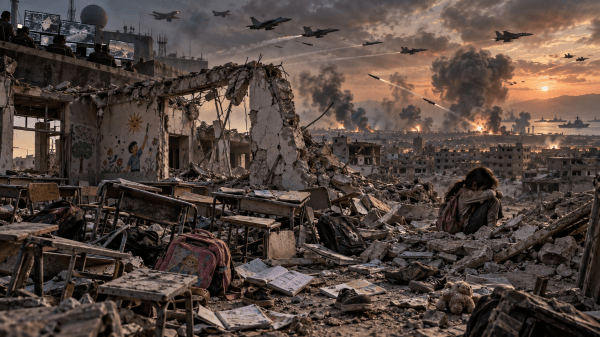
A UN investigation found reasonable grounds to believe U.S. forces committed war crimes in Iran after a primary school in Minab was struck and more than 150 people were killed. But the massacre cannot be understood as an isolated targeting failure inside an otherwise neutral war. The U.S.-Israeli assault began while diplomacy was still active, unfolded through a campaign that publicly celebrated overwhelming force, and repeatedly carried destructive power into civilian space. Minab exposes the larger structure: a war of aggression fragmented into legal incidents, technical explanations and media frames that make the crime scene visible while the war that created it slips into the background.

Bessent’s Dollar War: Iran, Imperial Recalibration, and the Rising Cost of American Command

Scott Bessent’s Operation Economic Outcast exposes the machinery beneath U.S. financial power. Washington is not merely sanctioning Iran; it is pressuring governments, banks, ports, airlines, and corporations across the world to enforce American policy or risk exclusion from the dollar system. The campaign reveals a deeper process of Imperialist Recalibration: as U.S. command becomes harder to reproduce, inherited financial and military advantages are wielded more openly and coercively. Yet every act of compulsion also strengthens the incentive for sovereign alternatives. The struggle is over who controls the infrastructure of global economic life—and who gets to say no.

The Wall Produces the Ladder: How America’s China Scare Turns Exchange Into Evidence of Threat

China’s Young Envoys program is openly political public diplomacy, but that is not the same thing as communist indoctrination, infiltration, or espionage. This essay excavates how KOMO and Defending Education turn educational exchange into a national-security threat by collapsing contact, influence, ideology, and subversion into one Red Scare narrative. Beneath the panic lies a deeper contradiction: U.S. efforts to isolate China generate the very Chinese counter-communication then cited as proof that greater isolation is necessary. The result is a narrow imperial provincialism that treats direct encounter with another civilization, its ideas, and its socialist project as something Americans must be protected from.

Website Powered by WordPress.com.

Up ↑