The World System Before European Hegemony: How the West Hijacked a System It Did Not Build
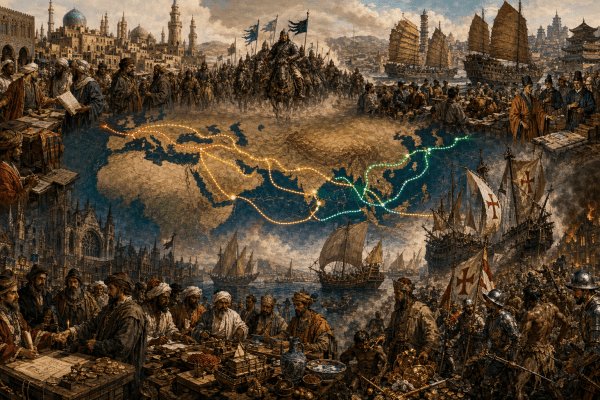
Janet Abu-Lughod's "Before European Hegemony" ruthlessly dismantles the myth that Europe rose to global prominence due to inherent superiority or brilliance. Instead, it reveals a pre-existing world economy crafted by diverse, thriving civilizations from which Europe, late to the game, benefited through exploitation and rupture. By tracing this narrative, Abu-Lughod forces us to confront uncomfortable truths: Europe did not create history; it emerged through the erosion of powerful systems created by others. History wasn’t predestined; it was violently reshaped.

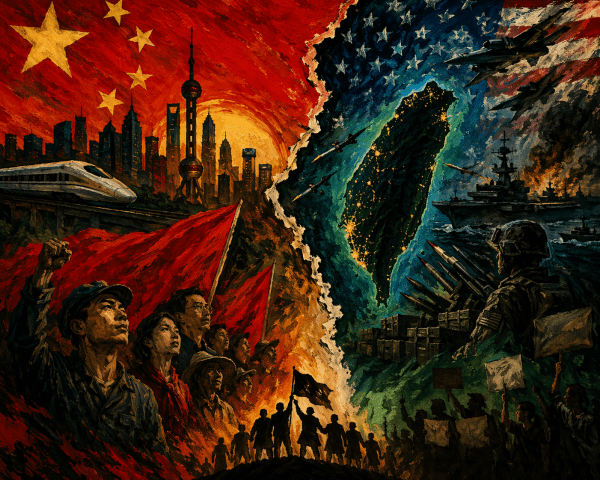
The Wound They Refuse to Heal: Taiwan, Empire, and the War Against Chinese Sovereignty

Reuters doesn’t just report events—it organizes reality through an imperial lens that disciplines how China is seen and understood. Beneath the surface, the Taiwan question reveals a dense structure of civil war legacy, U.S. militarization, legal contradictions, and economic interdependence. The truth is not “cross-strait tension,” but an unfinished revolutionary contradiction weaponized by empire to... Continue Reading →

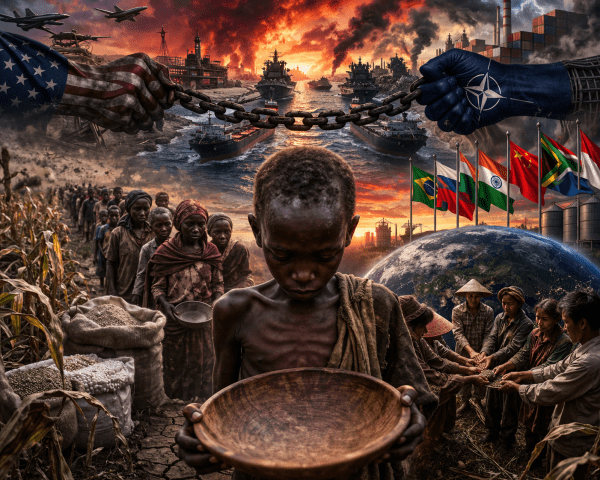
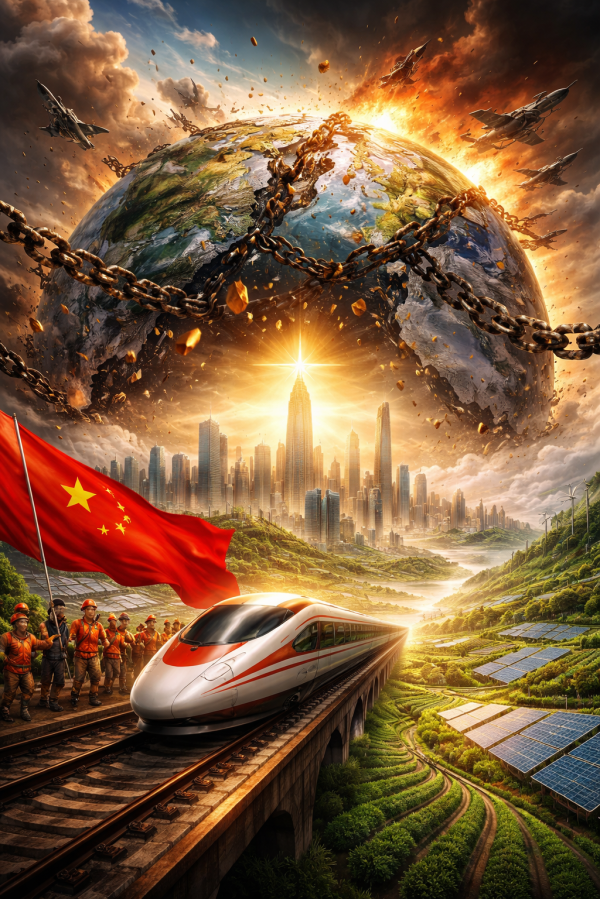
From Imperial Plunder to Socialist Possibility: Capitalism, Dependency, and the Road to Sovereign Development

Development is not a neutral path but a historical process forged through conquest, extraction, and domination. Underdevelopment is not a failure to advance, but the condition produced by integration into a world system structured by imperial power. As the crisis of global capitalism deepens and the space for sovereign maneuver widens yet destabilizes, nations are... Continue Reading →

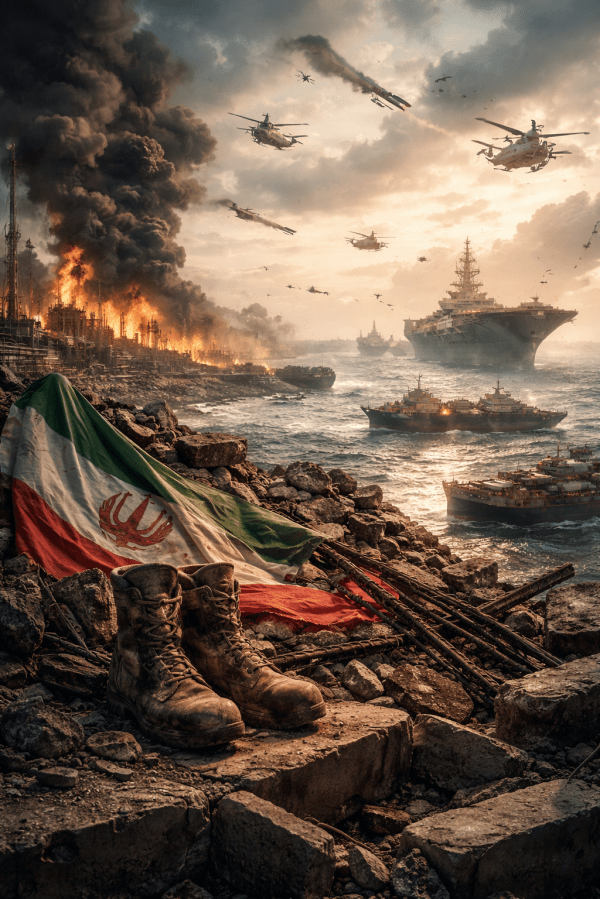
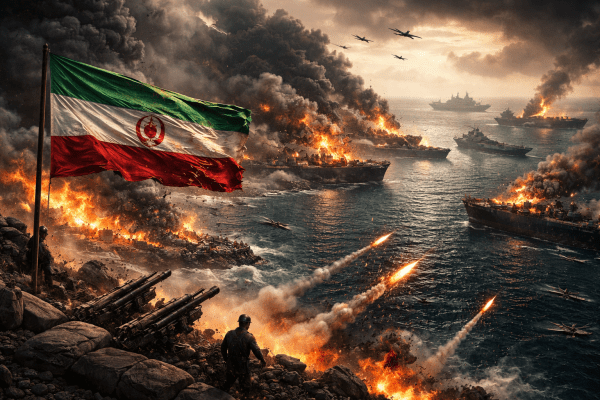
From Ceasefire Spectacle to Open Threat: How U.S. Power Reveals Its Limits in Iran and the Emerging Multipolar Order

The media narrative frames the war through the language of objectives and outcomes, masking how imperial violence is normalized and depoliticized. A reconstruction of the facts reveals a deeper reality: sanctions, covert operations, chokepoint control, and historical intervention form the material architecture of this conflict. What emerges is not policy failure but a system in... Continue Reading →

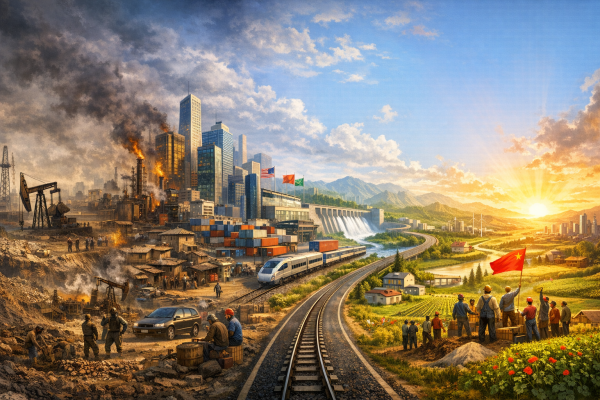
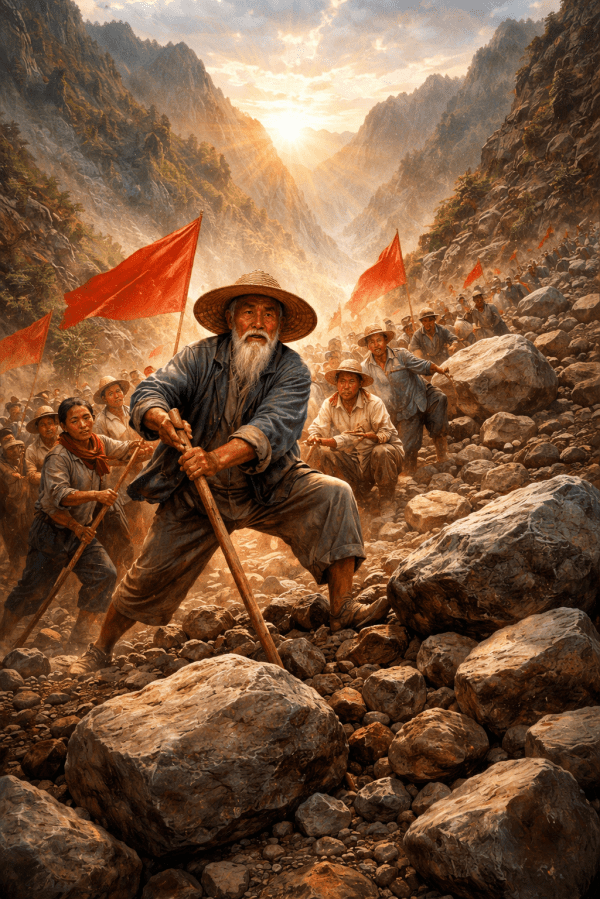
The Fool Who Moved the Mountains Still Walks Among Us: China’s Long March to Socialism and the Emergence of the Multipolar World Order

From Mao’s seizure of sovereignty to Xi’s effort to discipline capital, China’s modern history is neither a fall from revolutionary purity nor a smooth ascent into capitalism, but a protracted socialist struggle through contradiction. Each phase of development generated new class forces, new dangers, and new strategic adjustments, as the Party-state sought to preserve political... Continue Reading →

Manufacturing a “Xi Doctrine”: How Imperial Analysis Distorts China’s Development Strategy

A think tank narrative repackages China’s Five-Year Plan as a leader-driven doctrine, masking its institutional and historical character. The actual policy reveals a multi-dimensional strategy shaped by domestic priorities and external pressure. This transition reflects a deeper socialist development process unfolding through contradiction, not confusion. Across multiple fronts, emerging forces are beginning to resist the... Continue Reading →

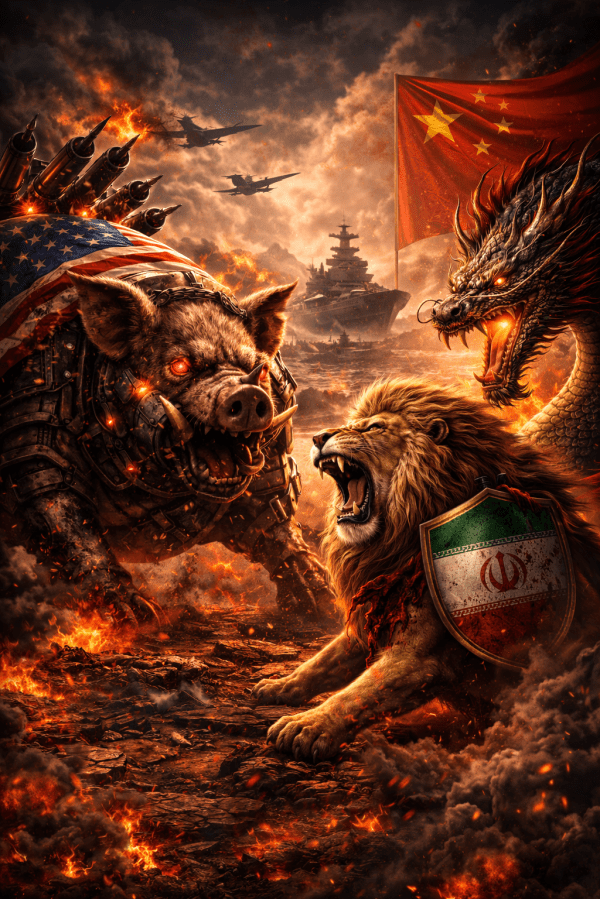
Fortress America: From “Operation Total Extermination” to the Consolidation of the American Pole

The Intercept’s reporting reveals a widening U.S.-aligned war across Latin America, exposing a moment where imperial language begins to outpace its own ideological cover. The documented facts—cross-border strikes, coalition warfare, regime change operations, and indefinite escalation—align directly with official doctrine and emerging hemispheric war architecture. When situated within the crisis of imperialism and the rise... Continue Reading →

Website Powered by WordPress.com.

Up ↑