NATO 3.0: The Empire Rebrands Its Launchpads

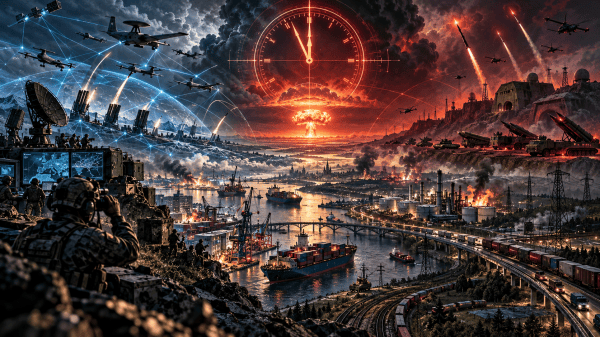
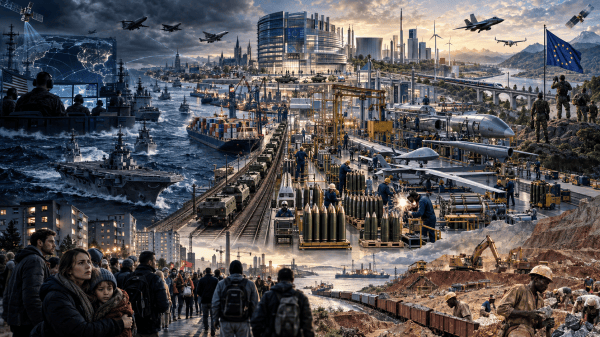
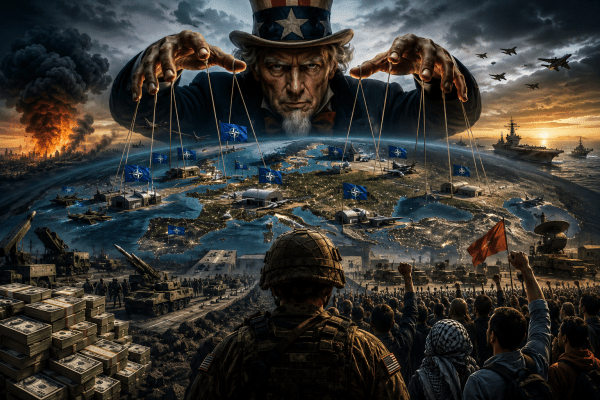
NBC’s coverage of Pete Hegseth's outburst in Brussels starkly reveals a deeper imperial narrative: NATO is a glorified framework for U.S. militarism, demanding European complicity. Instead of a cooperative alliance, it illustrates a machinery of war where access to land and resources is treated as a given entitlement. The jargon of "burden-sharing" and "NATO 3.0" drapes the insistence on militarized obedience in a veneer of unity. The article neglects dissenting voices, such as the European populations and their rights, instead framing hesitation as irresponsibility. This is not a mere operational adjustment; it’s a clarion call to recognize and resist the underlying realities of imperialism masquerading as alliance-building.

Washington’s War, Ukraine’s Graveyard: The Proxy Conflict Trump Now Pretends to Mediate

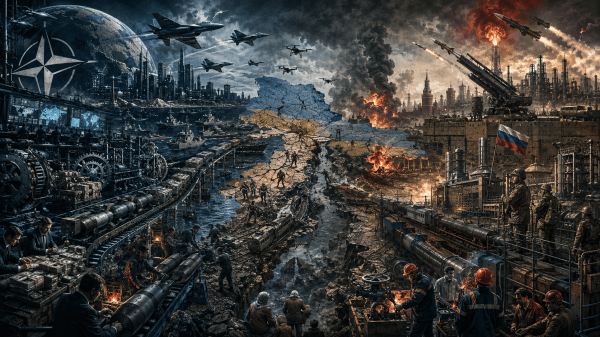
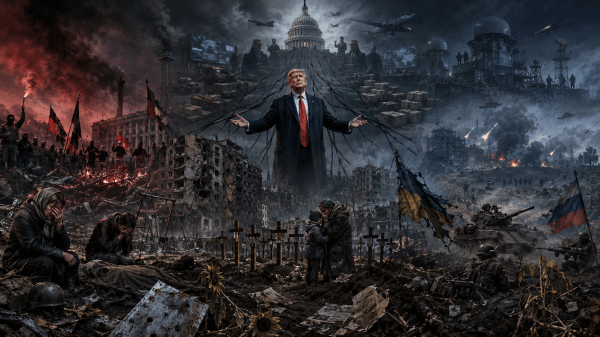
The Guardian’s narrative on the Ukraine war kicks off in February 2022, conveniently disregarding the chaotic political landscape, foreign meddling, and the violent rise of armed nationalists that preceded it. The buried history illustrates the overthrow of an elected government and NATO's strategic maneuvers pushing Ukraine to the frontline against Russia. The article reduces years of tragedy to a phone call between Trump, Putin, and Zelenskyy, framing diplomacy as mere spectacle. The real implications? The global working class must rise against this imperialist agenda, demanding peace and refusing to perpetuate a conflict that is less about nations and more about power plays and puppetry.

From Alliance to Containment: How Anglo-American Power Engineered the Cold War

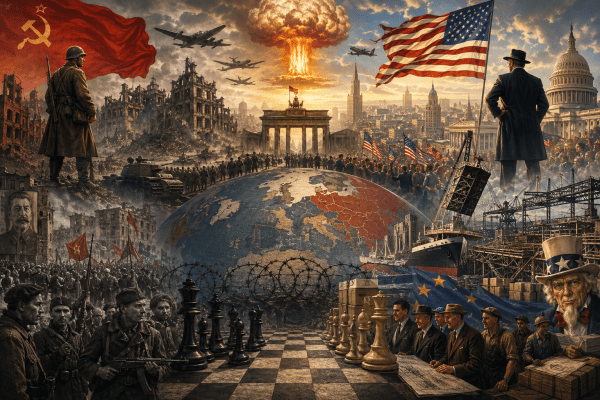
The essay provocatively dismantles the myth that the Cold War was merely a reaction to "Soviet aggression." Instead, it reveals it as America's calculated strategy to reinforce a capitalist world order post-World War II, driven by anxieties over rising leftist movements and anti-colonial uprisings. It highlights how the U.S. initiated a campaign of political warfare and economic reconstruction through the Marshall Plan, effectively shaping Europe and other regions under its imperial influence. To Washington, the real danger was not communism but the threat of genuine independence that challenged capitalist dominance. The Cold War was less about ideological battles and more about inter-imperialist struggles to determine global economic control.

The Independent’s Imperial Blindness: How North Korea and Belarus Refuse Isolation and Build Under Siege

The Independent recasts the DPRK–Belarus treaty as suspicious alignment while obscuring sanctions, war, and coercion shaping both states. The actual record shows concrete agreements across food, healthcare, industry, and education built through ongoing diplomatic coordination. These developments emerge from Korea’s imposed partition, Belarus’s post-Soviet Western pressure, and their shared positioning alongside Russia in the Ukraine... Continue Reading →

The BBC, Zelensky and the Price of Primacy: When Hegemony Calls Itself Defense

This essay excavates the BBC’s framing of the Ukraine war to reveal how catastrophe rhetoric and moral personalization manufacture consent. It reconstructs the documented record—NATO expansion, U.S. strategic doctrine, Minsk diplomacy, sanctions, and militarization—to widen the frame beyond headline urgency. It then situates the conflict within the deeper contradiction between imperial hegemony and national sovereignty,... Continue Reading →

Washington Calls It “Partnership” While Vietnam Calls It Survival: How Empire Pathologizes the Memory of War

Corporate media reframes a nation’s hard-earned vigilance as psychological insecurity, quietly teaching readers to distrust the survival instincts of a people who have already endured invasion and annihilation. The buried history of bombardment, chemical warfare, and economic leverage resurfaces to show that Hanoi’s caution grows from lived material reality, not ideological stubbornness. Behind the language... Continue Reading →

Russia’s “Reckoning” or the West’s Delusion? How The Economist Manufactures Collapse to Comfort a Dying Empire

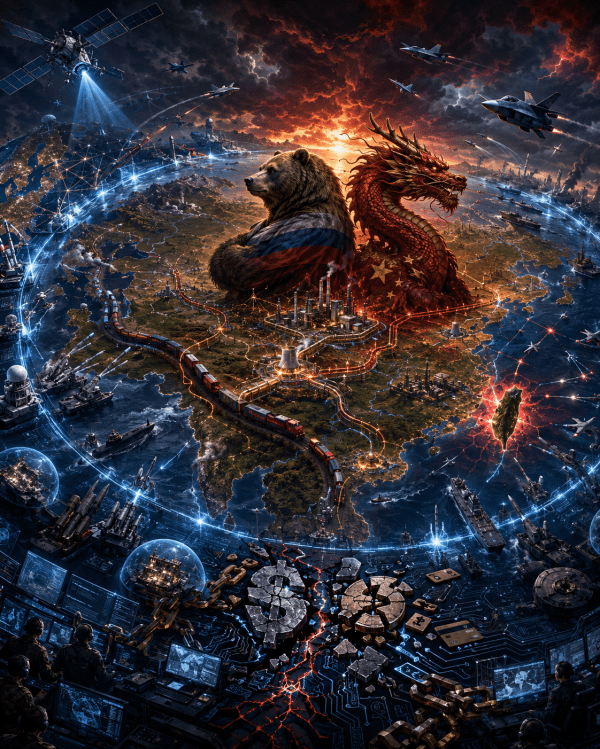
This essay tears the mask off The Economist’s collapse narrative and exposes it as imperial comfort food for a ruling class terrified of losing the world it once controlled. It then digs beneath the rubble of Western claims to recover the independent, Global South–verified facts that reveal the real architecture of the war. With those... Continue Reading →

Website Powered by WordPress.com.

Up ↑