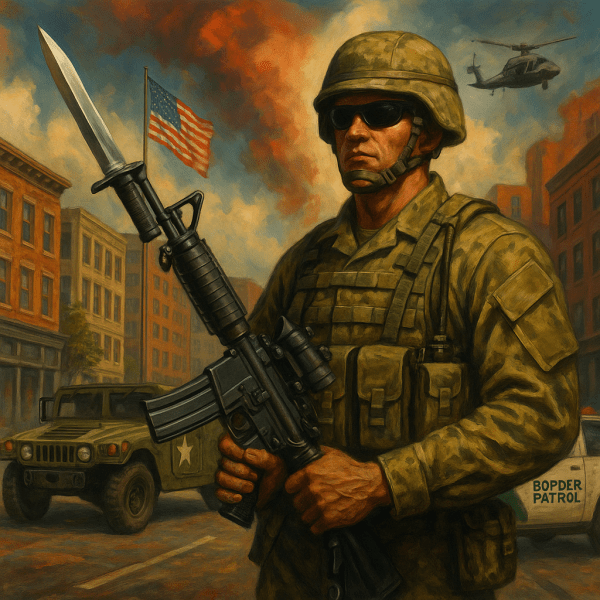
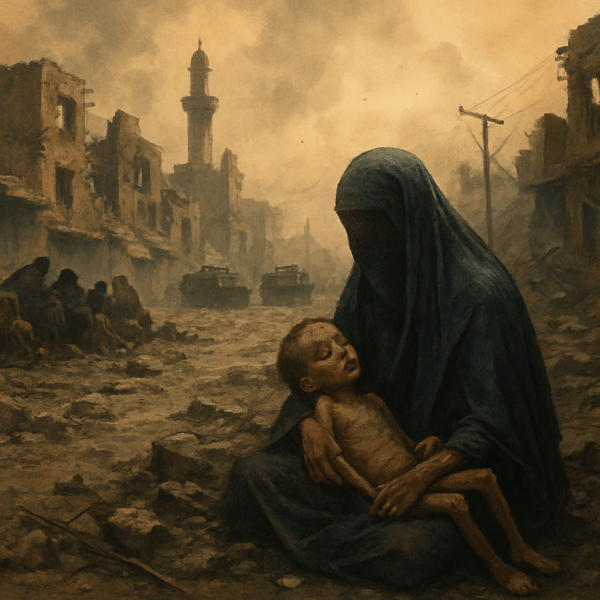
When the Savages Manage Savagery: 9/11, Permanent War, and the Collapse of the American Century
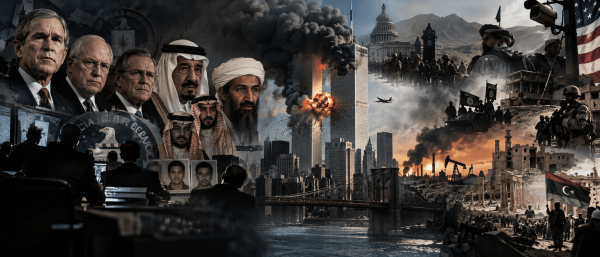
Max Blumenthal’s The Management of Savagery traces how the Afghan jihad, covert warfare, and the post-9/11 national-security state produced enemies Washington repeatedly claimed it could control. The full architecture of September 11 may never be known, but the official story cannot explain the accumulated record of intelligence failures, Saudi-linked facilitation, prior war planning, institutional obstruction, and immediate imperial exploitation. From Afghanistan and Iraq to Libya, Syria, domestic surveillance, and the rise of Trump, the same contradiction returns: empire weaponized instability, then lost control of the forces it empowered. Permanent war expanded American coercion while accelerating the collapse of the unipolar order.

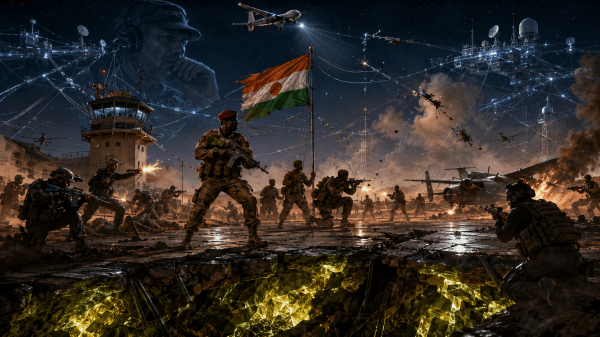
The Coup Didn’t Come From Nowhere: Niger, Base 101, and the Empire Inside the State

BBC framed Niger’s August 29 Base 101 uprising as a story about mutinous soldiers and a frightening weapons cache. The deeper record reveals something far more consequential: a fractured special-operations apparatus, credible evidence of Bazoum-linked and foreign contacts, an inherited Western security system, and a state still fighting to reclaim control over its military, uranium, and foreign relations. As France and the United States adapt to lost bases through smaller footprints, partner forces, and strategic networks, Niger is building alternative relationships through the AES, Russia, and Algeria. The coup didn’t come from nowhere—and neither did the empire trying to survive its retreat.

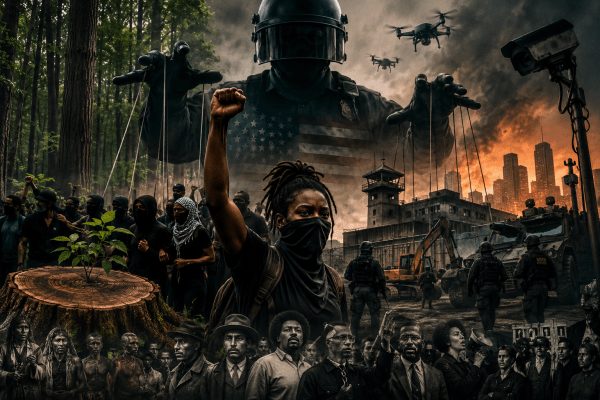
Cop City Is the Counterinsurgency Campus: How “Antifa” Became the New Name for the Old Domestic Enemy

The Guardian's coverage of Trump's "antifa" prosecutions highlights a covert escalation of systemic repression rather than the emergence of a new threat. While it depicts the federal indictment against Cop City protesters as a shocking maneuver, this is merely the latest play in a long history of state-sponsored violence rooted in colonialism, slavery, and counterinsurgency tactics. The narrative frames Trump as the villain while obscuring the entrenched architecture of oppression that transcends his administration. The real battle lies in organizing effective resistance, connecting various social justice movements, and building robust defense mechanisms amidst a climate poised for increasing militarization and legislative warfare against dissent.

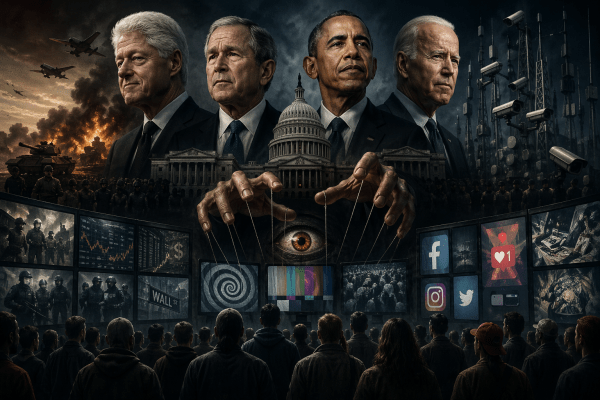
Inside the House of Cards: How Empire Manages Crisis Through Memory, Civility, and Myth

Four former presidents gather under corporate media lights to present democracy as a shared moral inheritance, grounded in unity, civility, and participation. Beneath that performance lies a material history of deregulation, war, surveillance, and repression that produced the very crisis now being discussed. The interview reveals not reflection, but a ruling-class effort to manage legitimacy... Continue Reading →

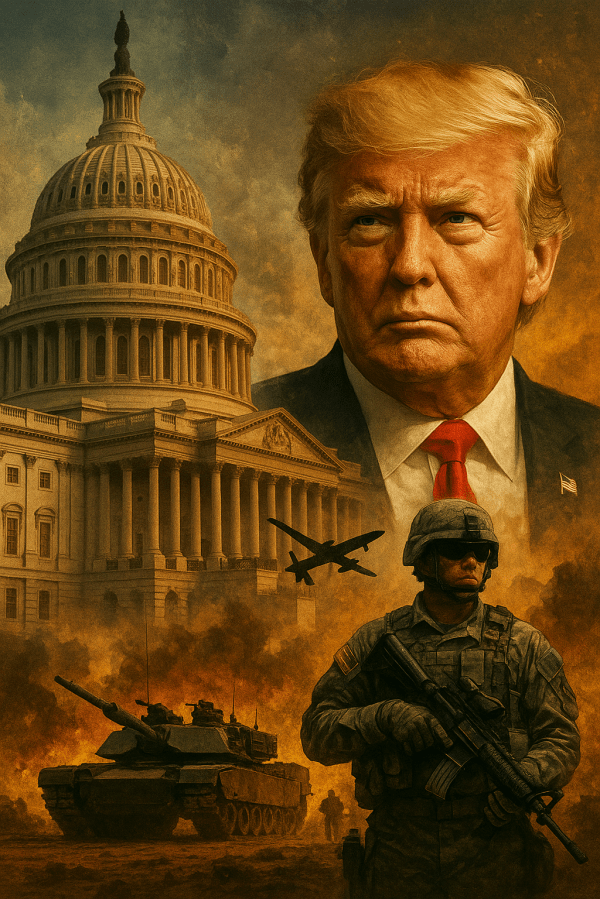
Congress, Trump 2.0, and the War Machine: Repeal, Spectacle, and the Crisis of Imperialism

The House vote to roll back old war powers signals not restraint but spectacle—masking bipartisan complicity, a trillion-dollar war economy, and the contradictions of technofascist consolidation. By Prince Kapone | Weaponized Information | September 12, 2025 Oversight Theater: How ‘Forever Wars’ Become Forever Narratives On September 11, 2025, Common Dreams ran a piece by staff... Continue Reading →

Pentagon’s Fortress Turn: From China Threats to Homeland Militarization

Politico reports that the Pentagon’s new National Defense Strategy shifts away from deterring Beijing and toward domestic deployments, Caribbean patrols, border militarization, and hemispheric policing — a move it calls a “striking reversal” that leaves U.S. allies uneasy.By Prince Kapone | Weaponized Information | September 6, 2025The Art of Dressing Bayonets in Silk On September... Continue Reading →

Website Powered by WordPress.com.

Up ↑