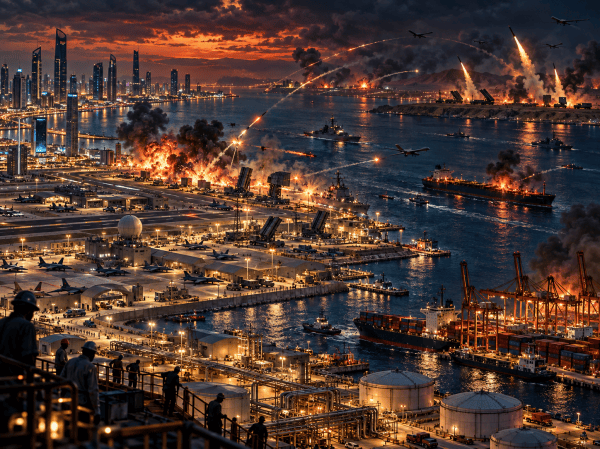
The Gulf monarchies, once loyal to Washington's military dominance, are now scrambling for survival in a world where Iranian aggression opposes their established security framework. The ongoing war has exposed a perilous contradiction: the very American military infrastructure meant to protect the Gulf states has rendered them vulnerable to Iranian strikes. As the U.S. becomes a less reliable ally, these nations are cautiously seeking dialogue with Tehran, marking a seismic shift in regional politics. Their actions aren't a break from American influence but a pragmatic response to an urgent need for stability amidst rising tensions. The question remains—can they navigate this treacherous terrain without abandoning old alliances?
Iran Took Back Its History: The Revolution That Never Finished the Fight for Power
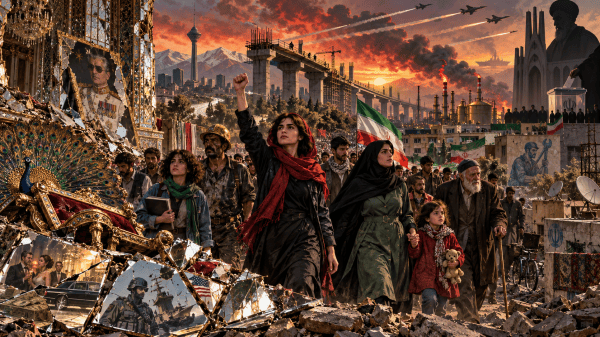
Robin Wright's "The Last Great Revolution" illustrates the paradox of the Iranian Revolution—a genuine transformation that sought to establish a sovereign state but left popular sovereignty incomplete. Wright captures Iran's tumultuous journey, showcasing revolutionary shifts in women’s rights, education, and national identity, yet she falls into the trap of imposing a Western liberal trajectory. The revolution is portrayed as a struggle—between religious and revolutionary authority—that still battles for legitimacy. Ultimately, rather than documenting a forgotten pathway to liberalism, Wright unveils a resilient revolutionary spirit combating imperial influences. This is not the story of a revolution retreating into the shadows, but one that persistently asserts its existence against predetermined narratives.
Containment Makes Its Own Escape Routes: China, Iran, and the Rare-Earth Contradiction
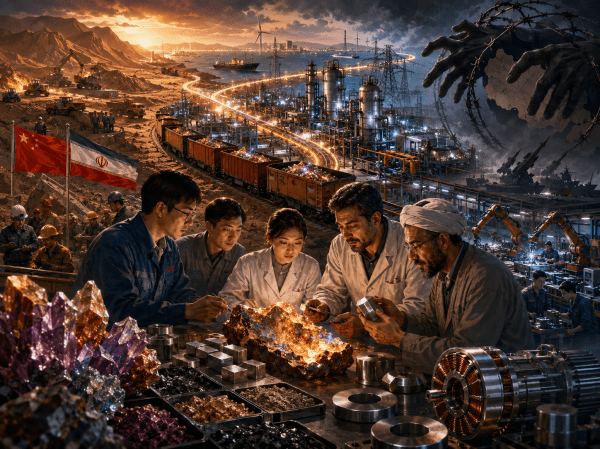
The narrative surrounding a modest scientific workshop between China and Iran is sensationalized into a geopolitical crisis, primarily through the lens of U.S. concerns. It's ironic: while Washington frantically condemns this cooperation, the real battle revolves around who controls the rare-earth supply chain. Both countries face sanctions that push them to create independent scientific and industrial pathways. The focus should pivot from mere diplomatic theatrics to whether this partnership enhances Iran's productive capacity or merely perpetuates dependency. Ultimately, this cooperative effort holds the potential to disrupt traditional power dynamics—unless it devolves into another avenue for exploitation under foreign dominance.