Keeping to the Socialist Path: Laos, China, and the Machinery of South-South Development
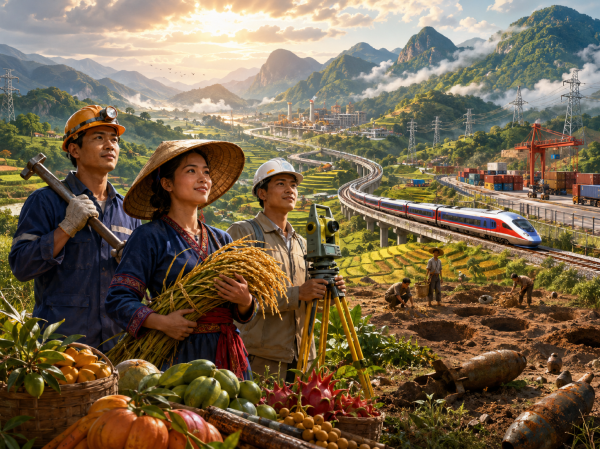
The June 2026 Laos-China state visit unfolded as a significant convergence between two socialist nations navigating their intertwined ambitions amid a capitalist-imperialist world. Rather than surrendering to the narrative of a “debt trap,” Laos and China embraced a collaboration marked by political intent, evidenced in thirty-two agreements across sectors like agriculture and technology. This partnership aims to transform Laos into a self-sufficient state, guided by its revolutionary history. The imperial media, however, conveniently ignored this cooperation, as it undermines their narrative of helpless nations. Laos, now reclaiming agency, is no longer portrayed as a mere victim but as a sovereign actor defining its path to development.

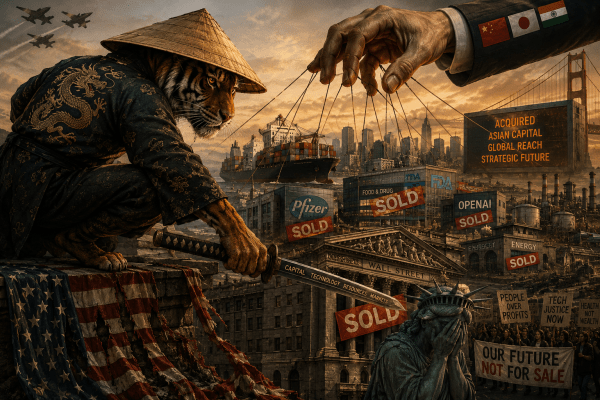
Crouching Tiger, Hidden Shareholder: The Empire Goes on the Auction Block

What if the façade of Asian firms acquiring American assets is merely a veneer masking a broader crisis of imperial power? The Asia Times' portrayal presents a triumphant narrative of capital flows, yet ignores the brutal realities behind ownership transitions. As firms like Sun Pharma and Mitsubishi grasp at American infrastructure, the underlying forces of deindustrialization, labor exploitation, and geopolitical tensions are left unexamined. This isn't progress—it's a manipulation of perception. The real question remains: who controls these vital resources? Without a radical reimagining of ownership, the future remains shackled to elite interests, while workers are forced to celebrate their own dispossession.

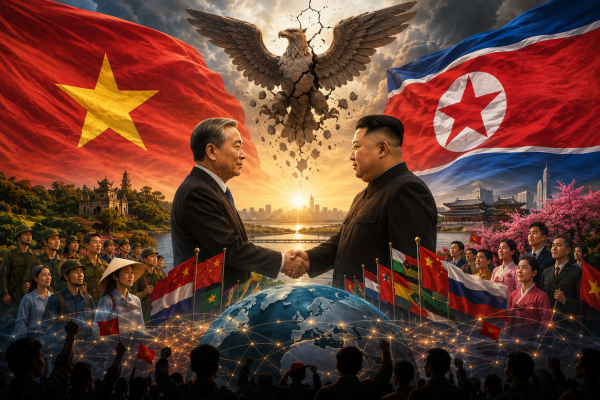
The Red Menace Strikes Back: Vietnam, the DPRK, and the Collapse of Imperial Isolation

In May 2026, Vietnam's Foreign Minister met with North Korean officials, a significant yet underreported event that challenges the Western narrative of the DPRK as isolated and irrational. This meeting signifies the resurgence of socialist internationalism and the resilience of anti-imperialist relations against a U.S.-dominated order. Vietnam asserts its independence by maintaining ties with a historically aligned state despite pressures to conform to U.S. interests, illustrating a defiance of binary political expectations dictated by Western powers. As these two nations deepen cooperation, they expose cracks in imperial control, revealing that sovereignty endures in the face of sanctions and coercion.

Kill Anything That Moves: Excavating the Hidden Logic of America’s War in Vietnam

This Weaponized Intellects review enters Nick Turse’s investigation as both a historical excavation and a political indictment. It traces how a counterinsurgency war built on body counts transformed the Vietnamese countryside into a laboratory of industrialized violence. It examines the bureaucratic systems that normalized atrocity and the machinery of denial that later buried the evidence.... Continue Reading →

Website Powered by WordPress.com.

Up ↑