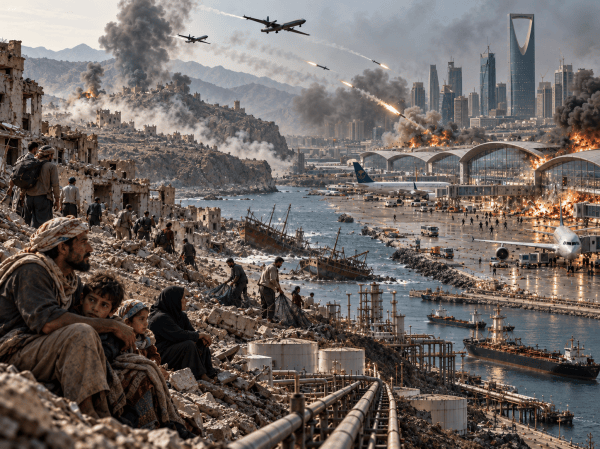
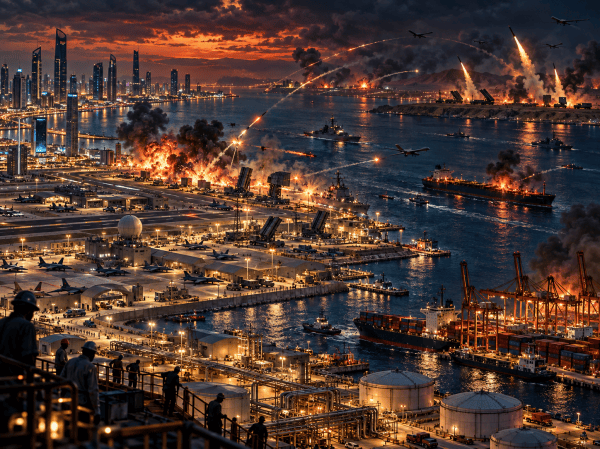
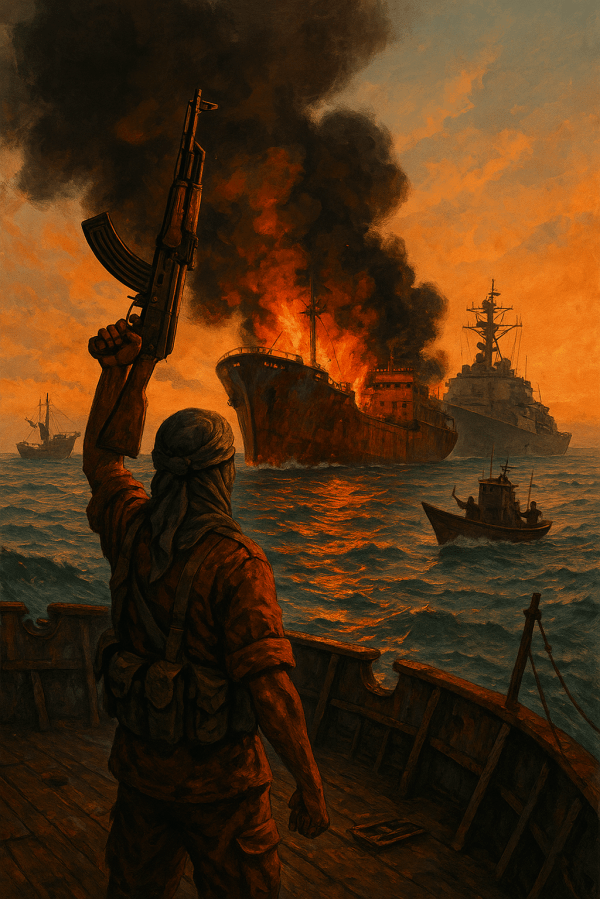
Saudi Arabia spent years bombing Yemen into ruin, only to confront a resistance capable of threatening the airports, trade routes, and investments sustaining its own economic ambitions. Behind the New York Times’ portrait of a vulnerable crown prince lies a century of struggles over Yemeni land, labor, sovereignty, and foreign domination. From grassroots development and migrant remittances to destroyed farms, contested oilfields, and imperial military assistance, this excavation exposes the material forces driving the conflict. The war Saudi Arabia tried to contain beyond its borders now threatens its capitalist transformation, while Yemen’s struggle for independence remains unfinished.
The Shield Became the Target: Washington Moved the Battlefield Into the Gulf
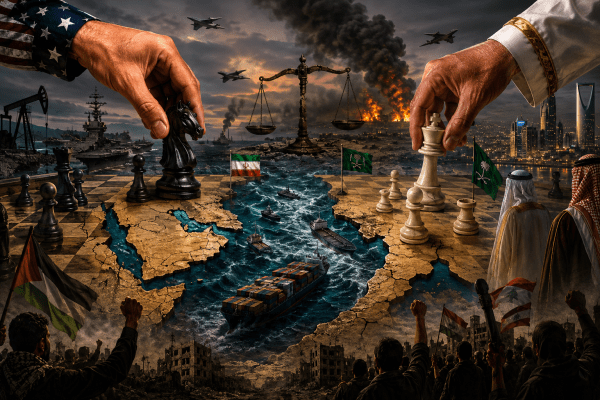
The Gulf monarchies, once loyal to Washington's military dominance, are now scrambling for survival in a world where Iranian aggression opposes their established security framework. The ongoing war has exposed a perilous contradiction: the very American military infrastructure meant to protect the Gulf states has rendered them vulnerable to Iranian strikes. As the U.S. becomes a less reliable ally, these nations are cautiously seeking dialogue with Tehran, marking a seismic shift in regional politics. Their actions aren't a break from American influence but a pragmatic response to an urgent need for stability amidst rising tensions. The question remains—can they navigate this treacherous terrain without abandoning old alliances?
When the Savages Manage Savagery: 9/11, Permanent War, and the Collapse of the American Century
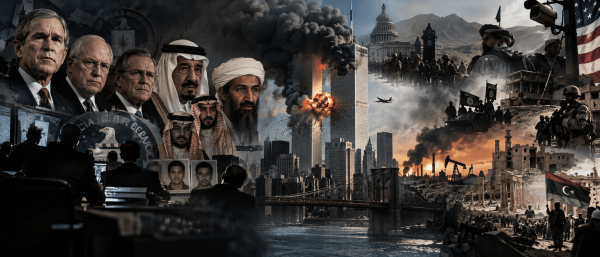
Max Blumenthal’s The Management of Savagery traces how the Afghan jihad, covert warfare, and the post-9/11 national-security state produced enemies Washington repeatedly claimed it could control. The full architecture of September 11 may never be known, but the official story cannot explain the accumulated record of intelligence failures, Saudi-linked facilitation, prior war planning, institutional obstruction, and immediate imperial exploitation. From Afghanistan and Iraq to Libya, Syria, domestic surveillance, and the rise of Trump, the same contradiction returns: empire weaponized instability, then lost control of the forces it empowered. Permanent war expanded American coercion while accelerating the collapse of the unipolar order.
When the Shield Became the Target: The Iran War and the Mecca Pact Beyond Washington
The Times of India packages Saudi money, Turkish military power and Pakistan’s nuclear arsenal into the spectacle of an emerging “Islamic NATO,” while burying the war and contradictions that made the agreement intelligible. Beneath the headline lies an older architecture of military cooperation, energy dependence and regional hedging accelerated by a U.S.-Israeli war that devastated... Continue Reading →
The Political Economy of Imperial Feminism: Iran Beyond the Propaganda
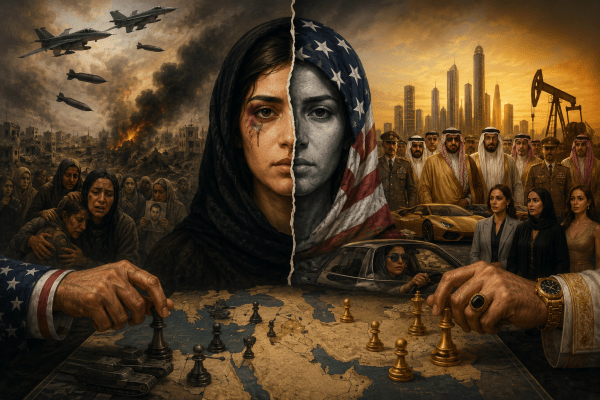
The West does not give a damn about women in West Asia. It cries for Iranian women because Iran is an enemy, then sells bombs to kings, bankrolls apartheid, protects dictators, sanctions civilians, and calls the whole rotten business human rights. Iran has contradictions, but those contradictions belong to Iranian women and Iranian society to struggle over — not to Washington, NATO, or the white ruling class. Real internationalism starts at home, against the empire that turns women’s suffering into ammunition.
The Master Brings Fire: Why Saudi Arabia Is Looking East as the American Oil Order Burns
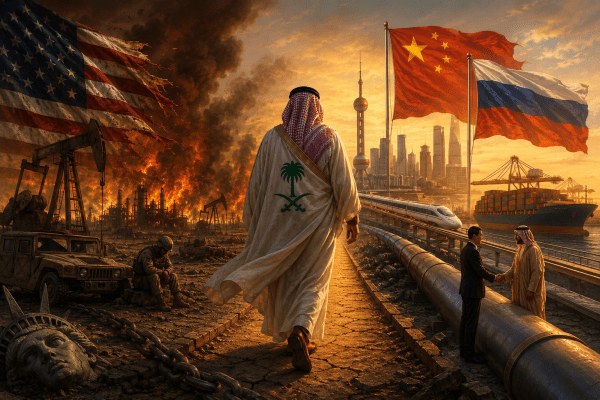
The narrative on Saudi Arabia's pivot to China disguises a deeper crisis in the U.S. imperial order. This is not a simple geopolitical romance; rather, it's a monarchy hedging its bets amid a shaky alliance once thought stable. With U.S. militarism fueling vulnerability in the Gulf, Riyadh seeks alternatives to the failing American security blanket, signaling an alarming shift. Yet, this recalibration is not liberation; it reveals the fragility of U.S. dominance as clients explore exits from a system that thrives on exploitation and chaos. As empires decay, the task is clear: galvanize working-class resistance against the war machinery that perpetuates this chaos.
Good Guys, Bad Guys, and Useful Monsters: America’s Middle East Script Is Falling Apart
In a region beset by chaos, the Financial Times outlines Saudi Arabia's push for a non-aggression pact with Iran amidst the disarray following the U.S.-Israeli war. This article masquerades as diplomatic insight while delicately sidestepping the imperial roots of the conflict. By framing Iran as the looming threat and sidelining the U.S.'s destabilizing role, it fosters a narrative that propels imperial interests instead of addressing the reality of a fractured Gulf. The urgency is not peace but control, as Gulf states strive to reclaim agency from a suffocating imperial order, revealing that their fate hinges on navigating a treacherously militarized landscape.
The Corridors of Defiance: How the War on Iran Accelerated the Multipolar Reorganization of Western Asia
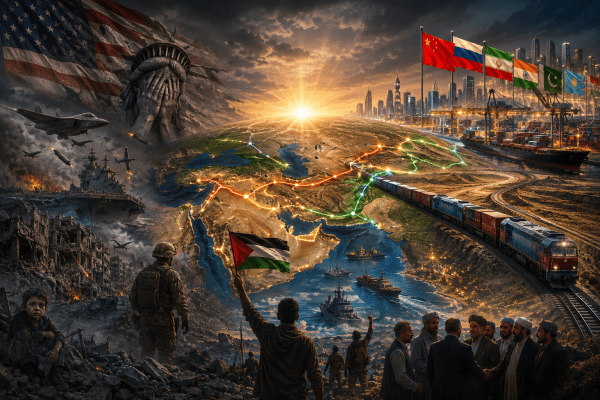
The 2026 U.S.-Israeli assault on Iran was a strategic miscalculation, intended to reassert imperial dominance in Western Asia but instead revealing the fragility of Atlantic hegemony. As the old security architecture eroded, alternative infrastructures and regional alliances emerged, facilitating trade and cooperation beyond Western control. The ongoing crises connected Gaza, Yemen, and the vital sea lanes, illustrating that military aggression has backfired, prompting regional states to recalibrate and seek resilience against imperialism. This war exposed a transformative geopolitical landscape, where logistics and diplomatic maneuvers are increasingly driven by necessity, carving out a multipolar future and undermining the sheer authority once held by the empire.
From Damascus to Davos: Excavating the Saudi-Syrian Development Trap
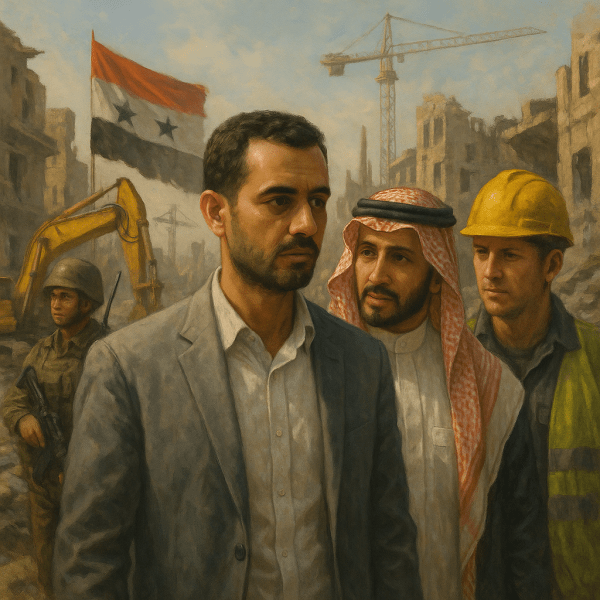
A July 7 report by The National launders Gulf capital’s recolonization of Syria as diplomacy and investment, masking empire’s return in keffiyeh and contract form.By Prince Kapone | Weaponized InformationJuly 24, 2025Empire’s Cement Contracts and Sectarian CoverupsOn July 24, 2025, the Associated Press published a glowing report headlined, “Syria and Saudi Arabia sign more than... Continue Reading →
Ghost Ships, Red Law: Yemen, Empire, and the War at the Chokepoint
A Telegraph panic dispatch frames Yemen’s maritime resistance as “terrorism,” but the real story is imperial unraveling. Beneath the propaganda lies a decade of siege, blockade, and the legal basis for revolutionary reprisal. Ansar Allah isn’t disrupting trade—they’re enforcing the Genocide Convention with rusted ships and militant clarity. From ports to pension funds, the rest... Continue Reading →