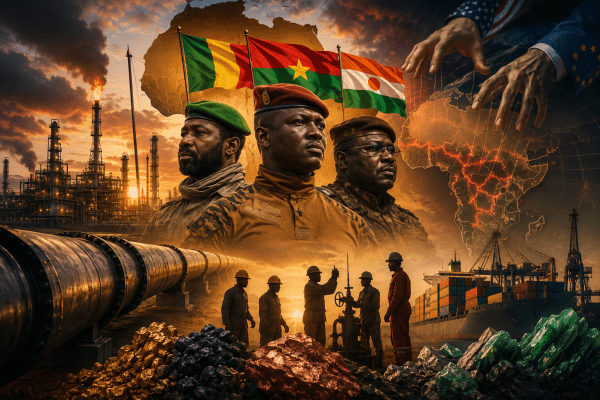
The recent oil agreements between Niger and Chinese firms aren't just another business deal; they expose a seismic shift in Africa's political landscape. As Western powers cling to outdated neocolonial frameworks, Niger is bargaining fiercely for sovereignty over its vast resources, rejecting mere extraction in favor of local control. This isn't a clean break; it’s messy and contradictory, revealing the power struggle over who governs the circulatory systems of wealth. The Sahel countries are navigating a new reality where they challenge traditional dependency and assert their agency. History is shifting beneath our feet—can Africa carve out a new path, or will old patterns reassert themselves?
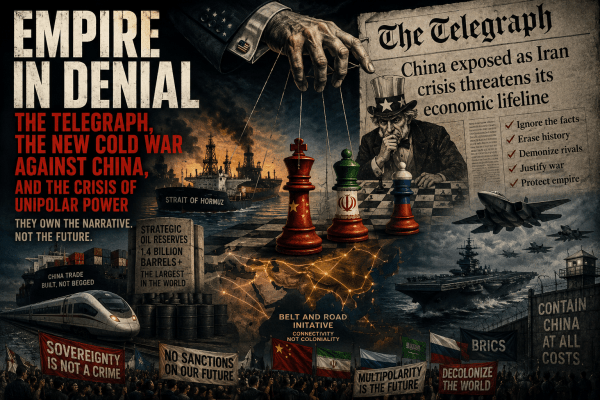
Empire in Denial: The Telegraph, the New Cold War Against China, and the Crisis of Unipolar Power
The Telegraph's portrayal of China as a weakening power is nothing more than imperial propaganda, designed to comfort an anxious Western audience. Underneath such narratives lies a complex reality where the U.S. struggles to maintain its grip on a transforming world order fraught with geopolitical tensions. China’s economic performance, rather than signalling decline, reveals strategic resilience amidst U.S. encirclement. The article strategically omits critical historical context and nuances of international relations, twisting narratives to fit a moral superiority that inaccurately paints adversaries as threats. What emerges is not China's downfall but an empire grappling with its loss of unchallenged authority in a rapidly evolving global landscape.
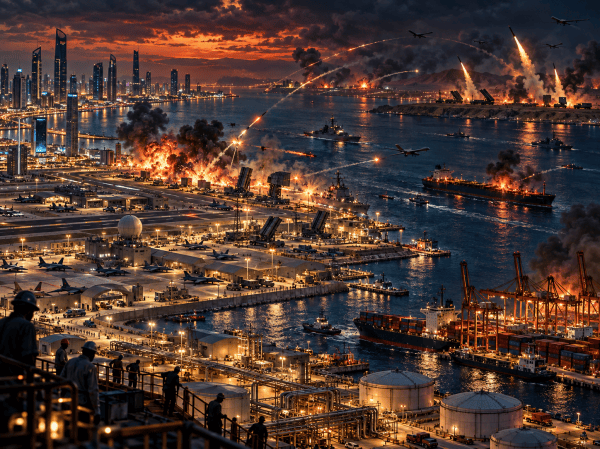
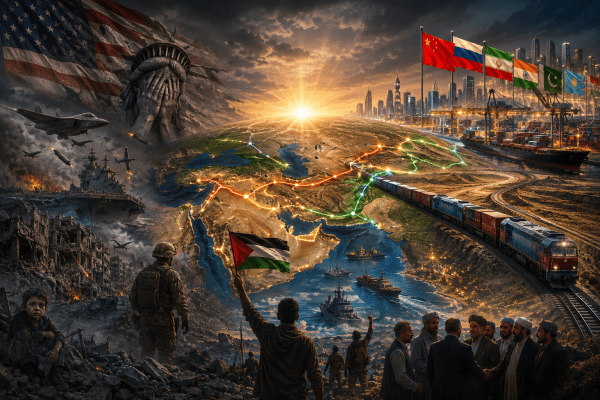
The Corridors of Defiance: How the War on Iran Accelerated the Multipolar Reorganization of Western Asia
The 2026 U.S.-Israeli assault on Iran was a strategic miscalculation, intended to reassert imperial dominance in Western Asia but instead revealing the fragility of Atlantic hegemony. As the old security architecture eroded, alternative infrastructures and regional alliances emerged, facilitating trade and cooperation beyond Western control. The ongoing crises connected Gaza, Yemen, and the vital sea lanes, illustrating that military aggression has backfired, prompting regional states to recalibrate and seek resilience against imperialism. This war exposed a transformative geopolitical landscape, where logistics and diplomatic maneuvers are increasingly driven by necessity, carving out a multipolar future and undermining the sheer authority once held by the empire.
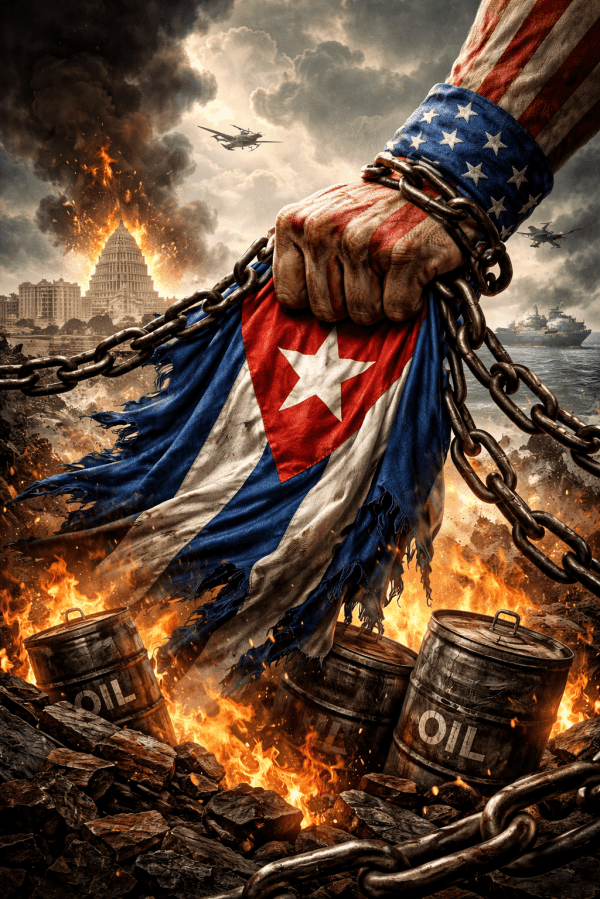
Starve the Island, Blame the Victim: How Empire Turns Siege into “Defiance”
The New York Times repackages economic warfare as diplomatic tension, presenting Cuba’s resistance as irrational defiance rather than a response to material coercion. A reconstruction of the facts reveals a deliberate strategy of energy strangulation, financial restriction, and calibrated pressure designed to destabilize Cuban society from within. When these conditions are placed back at the... Continue Reading →
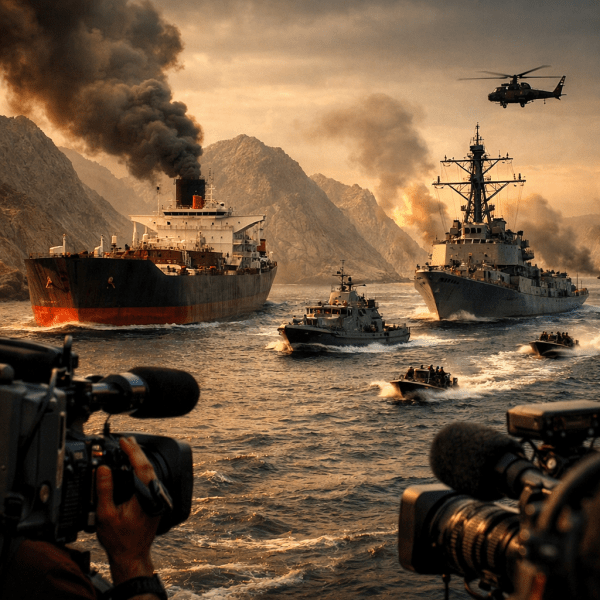
Axios at the Oil Chokepoint: How Imperial Aggression Gets Packaged as Maritime Order
This WPE dissects how Axios turns a threatened expansion of war into the language of shipping, order, and responsible management. It reconstructs the material terrain beneath that narrative: the Strait of Hormuz as a world energy artery and Kharg Island as a critical node in Iran’s oil system. It then reframes the crisis as a... Continue Reading →
Axis of Empire: The Coup, the Shah, and the War Against Iranian Sovereignty
Afshin Matin-Asgari’s history exposes how U.S.–Iran relations were forged not through partnership but through intervention, oil politics, and the overthrow of democratic sovereignty. This review excavates the buried architecture of empire behind the 1953 CIA coup and the construction of the Shah’s authoritarian client state. It follows how the Iranian Revolution shattered that imperial arrangement... Continue Reading →
Reuters’ “Market Story” and the American Pole: PetroChina, Venezuelan Oil, and the Siege That Calls Itself Trade
Reuters sells custodial plunder as a pricing issue, turning blockade into “market caution.” We restore the missing record: seizures, supervision, and the re-routing of Venezuelan oil revenue through imperial hands. We reframe the contradiction as doctrine—Fortress America tightening hemispheric command as multipolar escape routes multiply. We close with a call to organize: break the information... Continue Reading →