The Revolution Held Power. Who Held the Machine?: Lenin’s Battle to Make the State Serve Its Makers
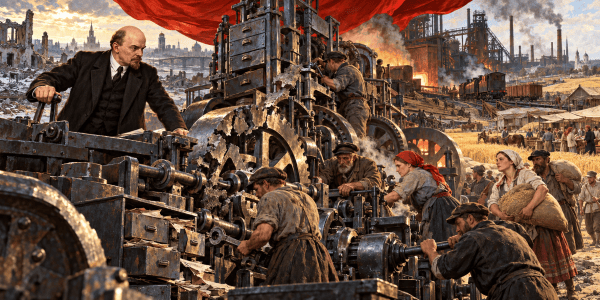
On March 27, 1922, Lenin laid bare the haunting reality: the very Communists who seized power found themselves ensnared by its apparatus. This stark confession at the Eleventh Party Congress revealed a party entangled in bureaucratic paralysis while popular hunger and dissatisfaction grew. Lenin's urgent demand for practical economic leadership served as a clarion call to reconnect with the peasant workforce crucial for reconstruction. He confronted the failure to actualize revolutionary ideals, asserting that maintaining authority required genuine engagement with people’s needs. In essence, he challenged the Bolshevik leadership: Could they transform power into effectiveness before disillusionment turned into revolt? The stakes were sky-high, a failure to adapt would be their undoing.

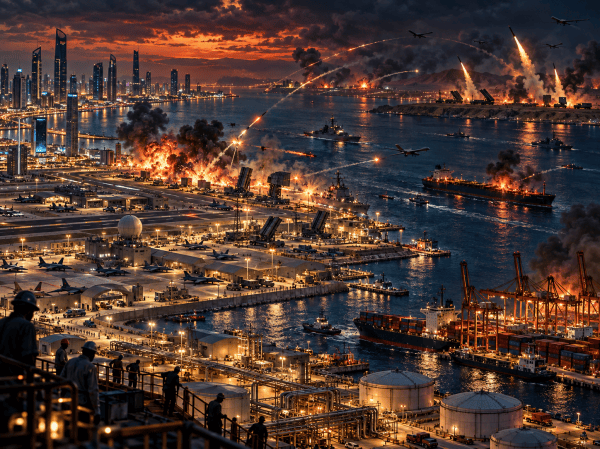
The Shield Became the Target: Washington Moved the Battlefield Into the Gulf

The Gulf monarchies, once loyal to Washington's military dominance, are now scrambling for survival in a world where Iranian aggression opposes their established security framework. The ongoing war has exposed a perilous contradiction: the very American military infrastructure meant to protect the Gulf states has rendered them vulnerable to Iranian strikes. As the U.S. becomes a less reliable ally, these nations are cautiously seeking dialogue with Tehran, marking a seismic shift in regional politics. Their actions aren't a break from American influence but a pragmatic response to an urgent need for stability amidst rising tensions. The question remains—can they navigate this treacherous terrain without abandoning old alliances?

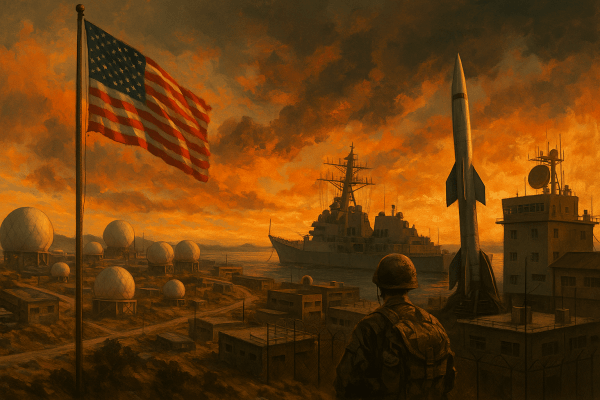
Greenland and the Architecture of Fortress America

How U.S. Homeland Defense, Arctic Chokepoints, and Critical Minerals Are Converging into a New Territorial Imperial ProjectBy Prince Kapone | Weaponized Information | January 11, 2026Greenland Was Never a Joke — It Was a Map of Empire Speaking Out LoudWhen Trump first floated the idea of the United States “acquiring” Greenland, plenty of people laughed... Continue Reading →

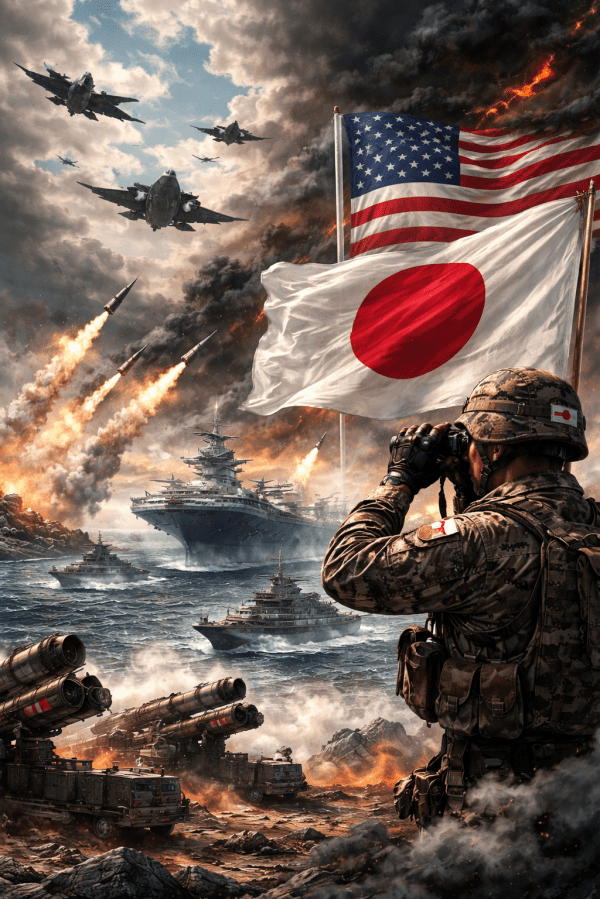
The Quiet Return of the Gun: Japan, the United States, and the Quiet Normalization of War

An Associated Press report presents Japan’s remilitarization as reluctant self-defense rather than a political choice shaped by power. Beneath the calm language, constitutional erosion and alliance discipline are reframed as common sense. Placed in historical and geopolitical context, Japan’s military buildup appears as a reassignment of roles within a U.S.-led imperial order in crisis. Against... Continue Reading →

Website Powered by WordPress.com.

Up ↑