The Road, the Rifle and the Rice Field: Ibrahim Traoré’s War Against the Machinery of Dependence
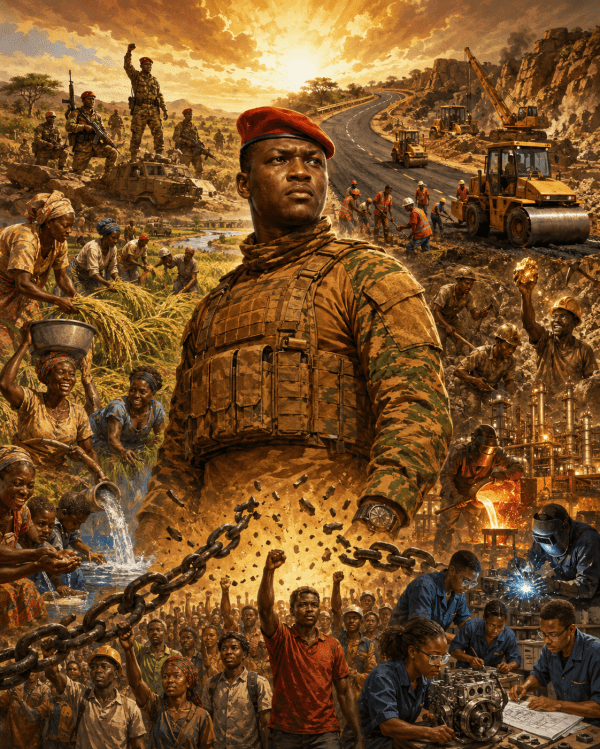
Ibrahim Traoré’s speech is more than a declaration of national resolve. It is a sustained confrontation with the machinery of African dependency: roads promised but never built, minerals exported without transformation, imported goods replacing productive capacity, universities producing credentials instead of machines, and local elites profiting from national weakness. Through the recurring question—“Are we cursed?”—Traoré rejects racial fatalism and insists that Africa’s condition has a history, a structure and beneficiaries. This intervention excavates the speech’s strongest contradictions while asking whether state-led sovereignty can become genuine popular power rather than another project administered above the people.

The Guardian’s Missing Clause: How Imperial Elections Became “Democracy” in Nicaragua

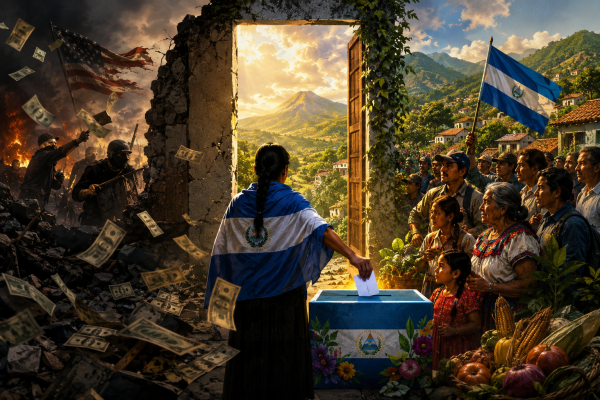
Daniel Ortega’s recent announcement that Nicaragua will cease future elections is portrayed by The Guardian as a blatant rejection of democracy, conveniently ignoring the historical context of imperial influences shaping Nicaraguan electoral politics. The claim that opposition parties are the embodiment of democracy is a façade; previous elections were tainted by U.S. interference, corporate financing, and foreign-imposed sanctions. Ortega's call to defend the Sandinista Revolution against imperial restoration isn’t about tyranny; it’s about reclaiming sovereignty from an electoral process manipulated by outside forces. Instead of clinging to an imperial framework, this moment presents an opportunity for Nicaragua to build a democracy rooted in popular power and authentic participation.

The Lawyers of the Counterrevolution: How Nicaragua Is Dismantling the Infrastructure of Imperial Power

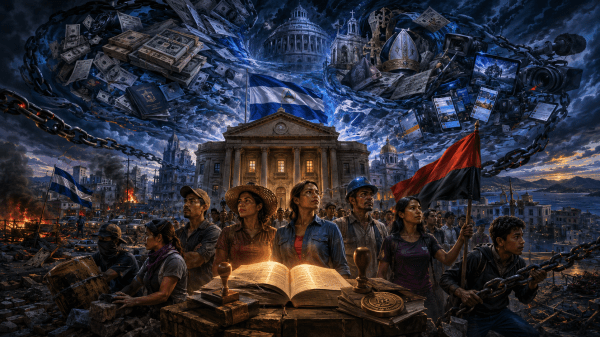
The Associated Press presents Nicaragua’s removal of lawyers from the professional registry as another unexplained authoritarian crackdown. This essay reconstructs the deeper reality: a post-2018 Sandinista counter-subversion campaign aimed at the foreign-funded NGO, media, ecclesiastical, expatriate, financial, and legal networks the government believes helped organize the attempted coup. Lawyers and notaries matter because they give those networks legal continuity through contracts, properties, associations, donations, and powers of attorney. Nicaragua has the right to dismantle imperial infrastructure, but revolutionary sovereignty must still distinguish proven subversion from ordinary legal practice through transparent evidence and popular accountability.

Understanding the Venezuelan Revolution: Power, Rupture, and the Discipline of Governing Under Siege

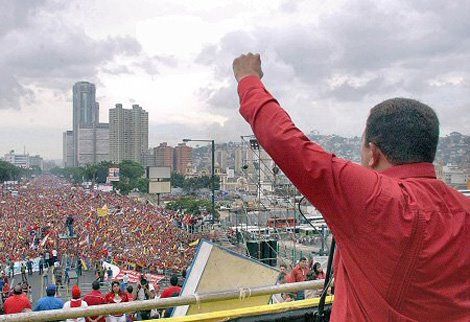
A Weaponized Intellects excavation of Understanding the Venezuelan Revolution: Hugo Chávez Talks to Marta Harnecker, tracing how popular rupture collides with institutions, empire, class power, and the unfinished task of building a revolution that can survive its own victories By Prince Kapone | Weaponized Information | January 18, 2026 A Revolution That Refuses the Script... Continue Reading →

Hold the Line: Listen Hard, Rectify Fast, Stay Red

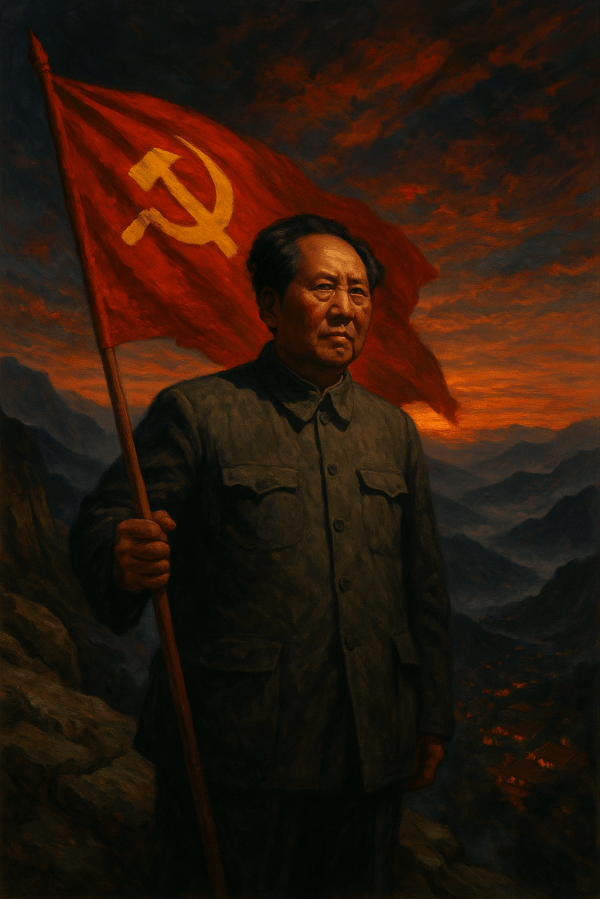
Weaponized Statecraft Series | Mao at Lushan, 1959 In the storm of the Great Leap’s setbacks, Mao did not fold—he listened. At Lushan he turned mistakes into lessons, errors into curriculum, and criticism into a method of survival. He named two illnesses—touchiness and wavering—and prescribed two remedies: endurance and rectification. He defended the communes, corrected... Continue Reading →

Website Powered by WordPress.com.

Up ↑