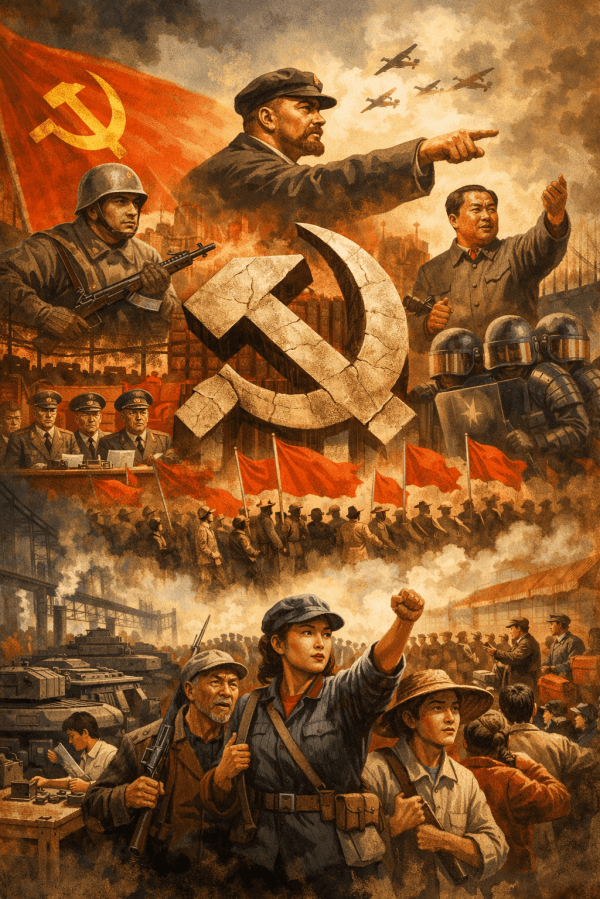
From Yan’an to Shenzhen: How China Forged Socialism Through Concrete Contradiction

China’s revolutionary saga obliterates the Cold War illusion of socialist states as mere Soviet puppets. Through peasant uprisings and intricate political maneuvers, China redefined socialism amidst imperial oppression, transforming from a colonial victim to a technological titan without abandoning Communist rule. The narrative that constraints socialism to a Soviet mold collapses under China’s rich history of adaptation to its unique tumultuous reality. China’s evolution showcases socialism as a living pursuit aimed at sovereignty and rejuvenation, not dogmatic adherence. The experiences of struggle, experimentation, and resilience reflect a deep understanding: socialism thrives on continuous reimagining, not imitation.

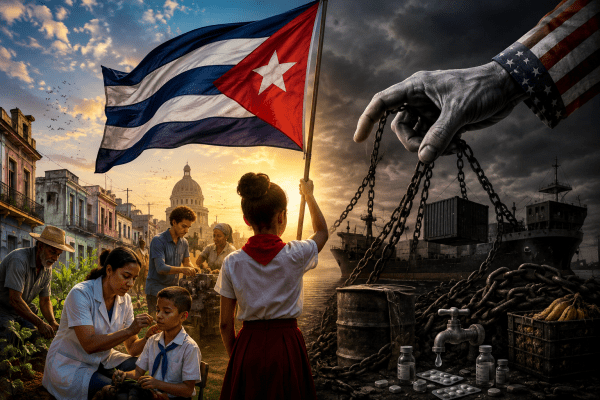
The Blockade’s Market Miracle: How Washington Starves Cuba, Then Calls the Hunger Socialism

CBS/AFP’s portrayal of Cuba’s recent economic reforms is less about facts and more about constructing a narrative that favors imperialism. Framing these reforms as desperate "free-market" concessions, the article ignores the U.S. blockade's true role in choking Cuba's economy while painting socialism as a failed ideology. This reporting reduces complex realities into a morality tale that absolves the U.S. of accountability, instead distilling Cuba's struggles into proof of its socialist inadequacy. Ultimately, the real story is one of resilience: a nation striving for autonomy amid relentless imperial domination, desperately attempting to balance limited market adaptations without surrendering sovereignty.

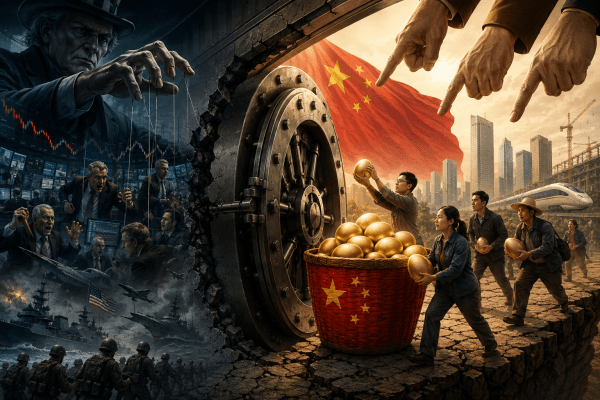
China Locked the Vault: Wall Street Weeps for the Investor It Wanted to Recruit

The New York Times portrays China's financial regulations as a morality tale of oppressed investors yearning for capital freedom, framing Beijing's restrictions on overseas investments as authoritarian repression. However, this narrative conveniently ignores China's struggle against capital flight amidst geopolitical tensions with the U.S. The real story is about defending national wealth from draining into imperial circuits while promoting domestic stability and development. This distortion of capital mobility as individual freedom obscures the broader implications of wealth dispersing into an adversarial financial system. The moral panic surrounding investor frustrations reveals a deeper conflict: the sovereignty of a nation versus the whims of financial capital.

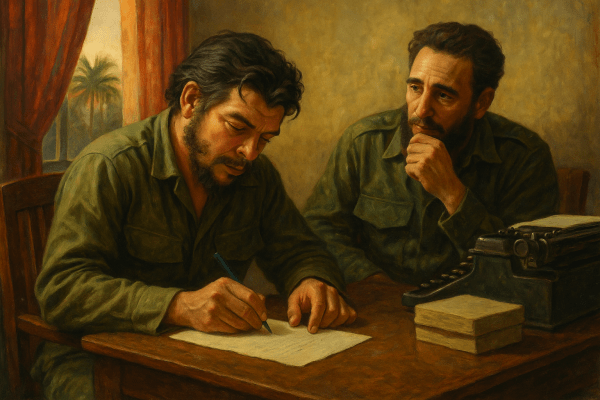
Socialism Under Siege: Civil War, Degeneration, and the Fight to Keep Power in the Hands of the Masses

Socialism has never developed in peace. Forced to build under permanent imperial encirclement, every revolution has faced the same central contradiction: how to defend power without allowing administration to replace politics and coercion to substitute for mass legitimacy. Tracing this struggle from 1917 through Mao and into post-Mao China, this essay argues that siege is... Continue Reading →

Vietnam’s Crossroads: Market Socialism or Capitalist Restoration?

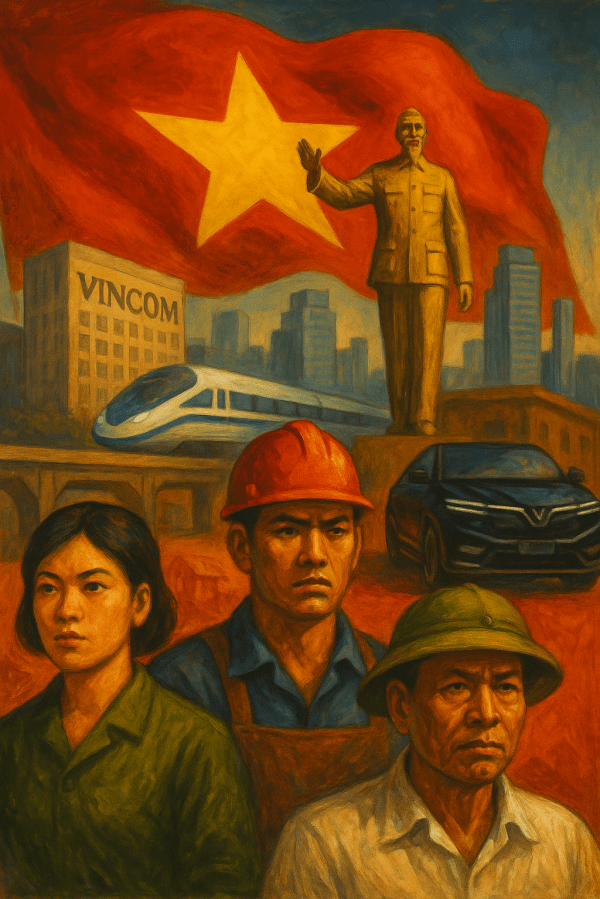
As Vingroup tightens its grip across Vietnam’s economic sectors, the contradictions of market socialism sharpen. But this isn’t surrender to capital—it’s a contested battlefield. The Party’s next move may determine whether the revolution advances or retreats. By Prince Kapone | Weaponized Information May 15, 2025 False Binaries and Manufactured Collapse Leo Tran, a Southeast Asia-focused... Continue Reading →

Website Powered by WordPress.com.

Up ↑