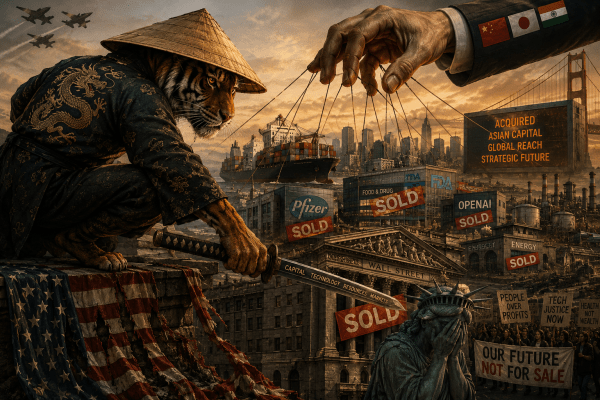
Crouching Tiger, Hidden Shareholder: The Empire Goes on the Auction Block

What if the façade of Asian firms acquiring American assets is merely a veneer masking a broader crisis of imperial power? The Asia Times' portrayal presents a triumphant narrative of capital flows, yet ignores the brutal realities behind ownership transitions. As firms like Sun Pharma and Mitsubishi grasp at American infrastructure, the underlying forces of deindustrialization, labor exploitation, and geopolitical tensions are left unexamined. This isn't progress—it's a manipulation of perception. The real question remains: who controls these vital resources? Without a radical reimagining of ownership, the future remains shackled to elite interests, while workers are forced to celebrate their own dispossession.

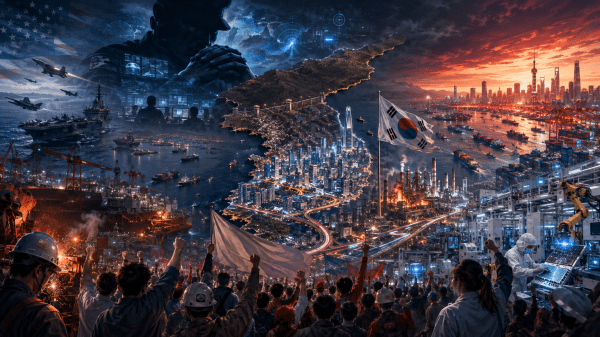
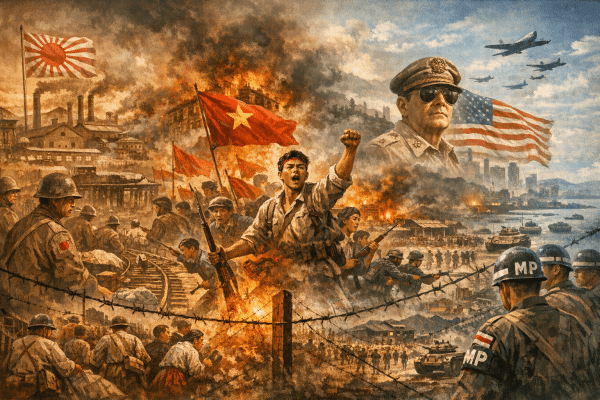
The Origins of the Korean War: From Colonial Rupture to Contained Revolution

This review reconstructs the Korean War not as a sudden conflict in 1950, but as the culmination of colonial transformation, revolutionary struggle, and imperial intervention between 1945 and 1947. Drawing on Bruce Cumings, it reveals how liberation opened a radical possibility that was contained, divided, and ultimately reshaped into two opposing systems—making war not accidental,... Continue Reading →

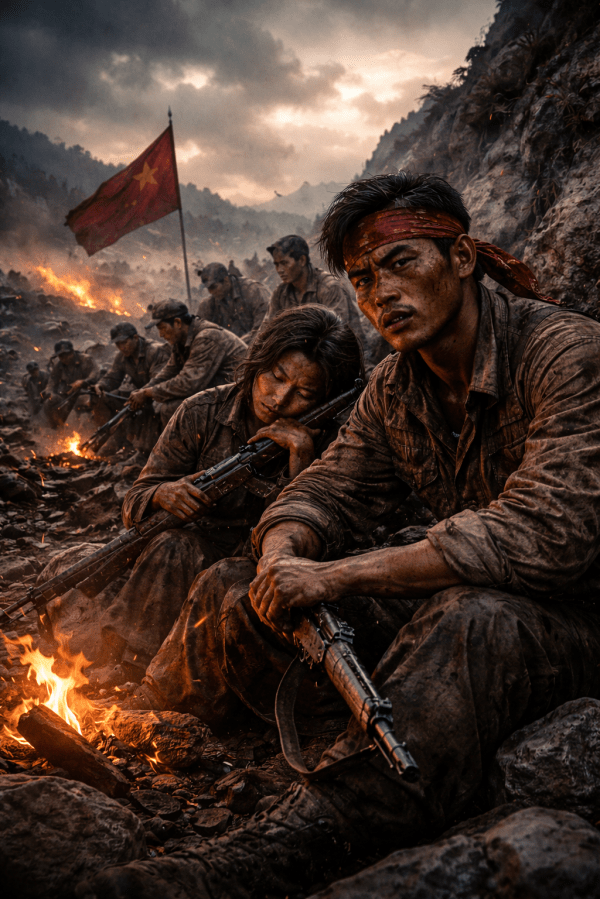
Song of Ariran: Born in Failure, Forged through War

This Weaponized Intellects Book Review treats Kim San’s life not as biography but as a weapon—tracing how colonial violence, exile, repression, and ideological struggle forged a revolutionary consciousness that rejects liberal illusion, exposes the limits of nationalism and adventurism, and affirms that only disciplined, mass-based anti-imperialist struggle can transform defeat into the foundation for victory.... Continue Reading →

The Architects of Empire: How the Anglo-American Establishment Built the Modern World Order

From Cecil Rhodes’ imperial secret society to the trilateral system that governs global capitalism today, the modern world order did not emerge by accident. It was constructed—patiently, institutionally, and across generations—by networks of bankers, strategists, policymakers, and imperial planners determined to organize power on a planetary scale. By Prince Kapone | Weaponized Information | Weaponized... Continue Reading →

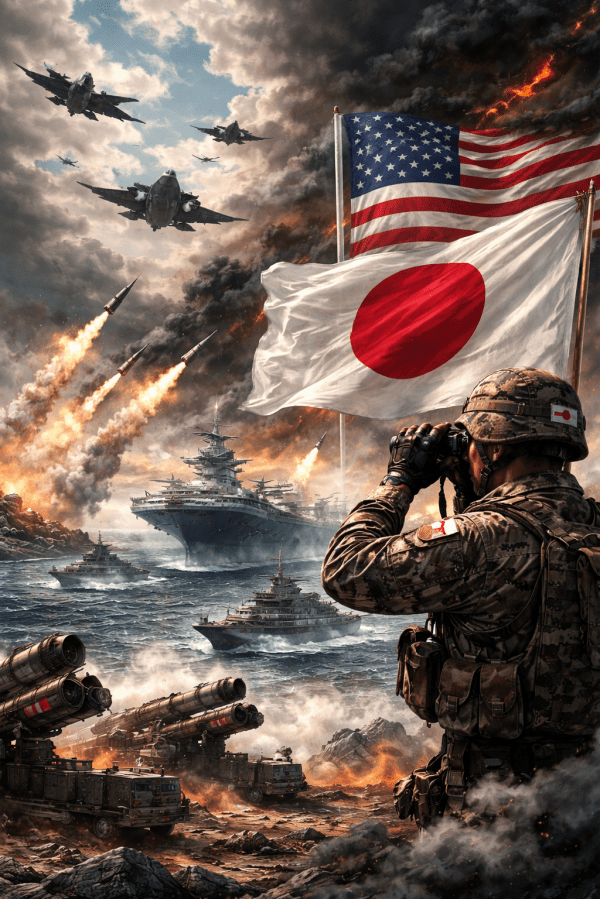
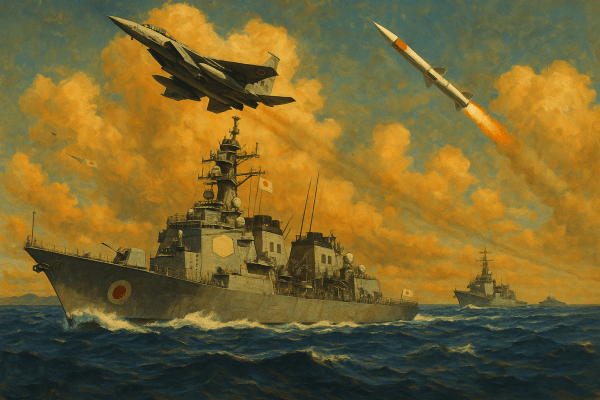
The Quiet Return of the Gun: Japan, the United States, and the Quiet Normalization of War

An Associated Press report presents Japan’s remilitarization as reluctant self-defense rather than a political choice shaped by power. Beneath the calm language, constitutional erosion and alliance discipline are reframed as common sense. Placed in historical and geopolitical context, Japan’s military buildup appears as a reassignment of roles within a U.S.-led imperial order in crisis. Against... Continue Reading →

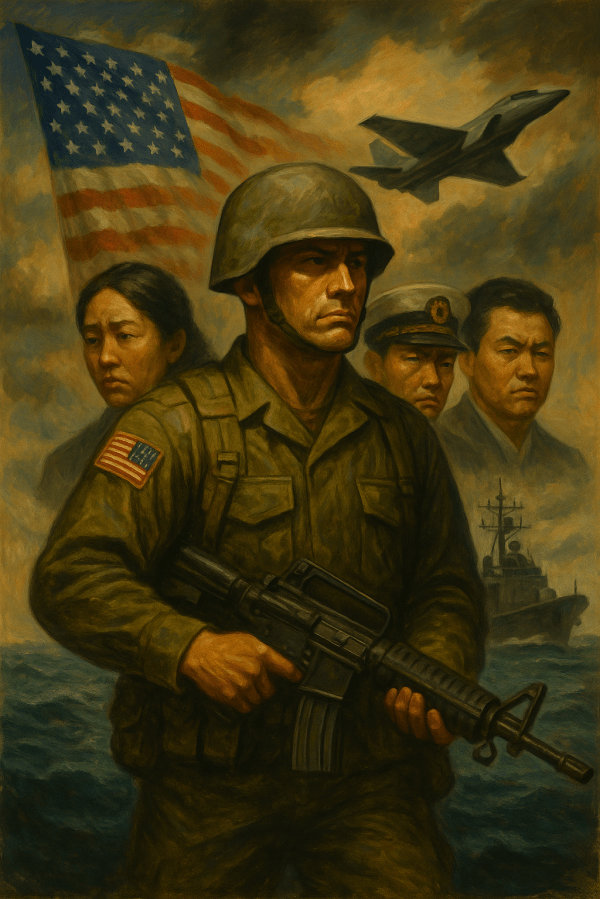
The Occupier’s Script: U.S. Military Empire, Asian Compradors, and the Battle for East Asia’s Future

The Atlantic Council, Asia Times, and U.S.-funded scholars like Hanjin Lew are scripting a future where peace is only possible under American military occupation. This essay dismantles the psychological operation that frames Asian sovereignty as instability and imperial presence as protection. It excavates the buried histories of U.S. war crimes, suppressed diplomacy, and regional movements... Continue Reading →

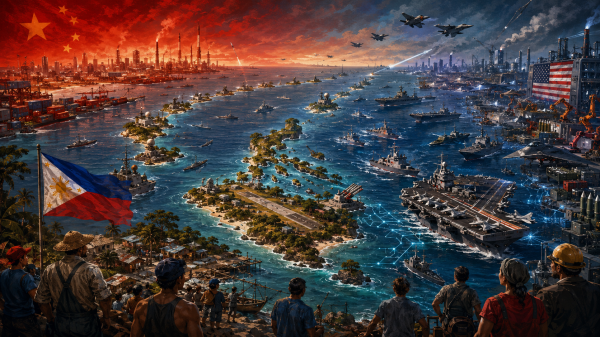
China and the U.S.: Naval Power, Propaganda, and the Battle for Maritime Sovereignty

U.S. media mocks China’s naval rise to soothe imperial ego. The facts reveal a strategic shift in global sea power. China’s modernization signals multipolar recalibration, not mimicry. Our struggle is to disrupt empire’s maritime infrastructure from within.By Prince Kapone | Weaponized Information | July 14, 2025 Disciplining the Horizon: How Empire Manufactures Maritime Panic On... Continue Reading →

Website Powered by WordPress.com.

Up ↑