The Roads Remember Túpac Amaru: Jacobin Calls Popular Power a Vacuum
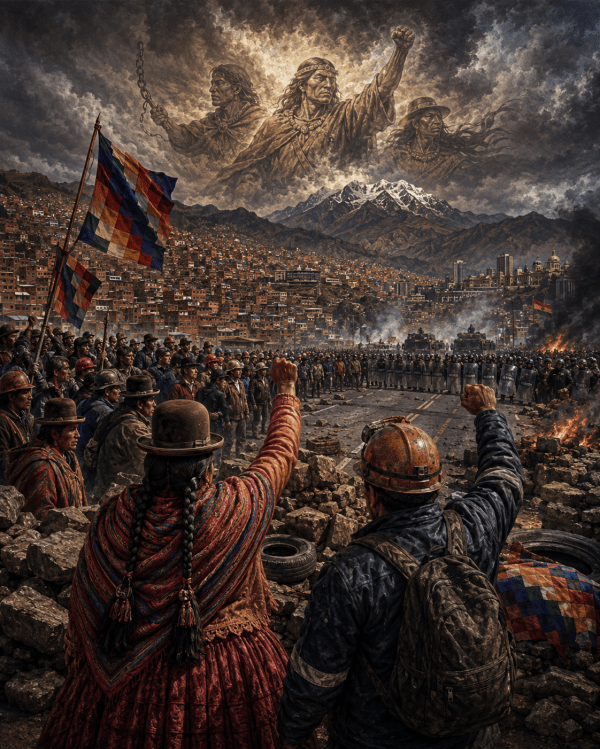
Bolivia is experiencing a seismic shift, as the indigenous and working-class masses rise against a government they see as complicit with imperial interests and corporate power. Jacobin's portrayal of this struggle as chaotic “political vacuum” fails to grasp the reality: the people are not absent from politics; they are reclaiming agency. While the ruling class laments blocked roads and instability, they ignore the genuine political force being forged by those occupying them—workers, campesinos, and indigenous communities asserting power where previously silenced. The barricades are not just obstacles; they symbolize resistance against commodification and repression, signaling a reawakening of history in the fight for sovereignty and justice.

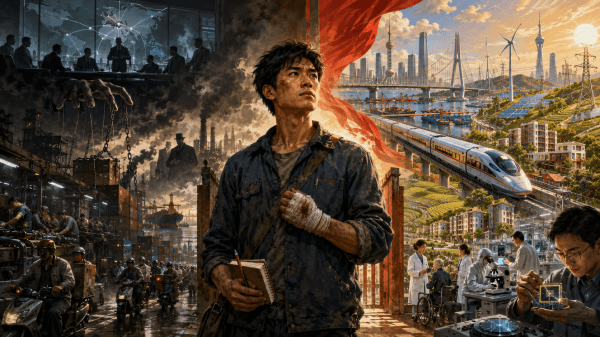
Marx in the Witness Box: How Jacobin Turns a Chinese Worker’s Wounds Against the Revolution

Jacobin's critique of Chinese worker Xiao Hai's memoir misrepresents the entire Chinese Revolution as a failed experiment based on exploitation. While Xiao Hai's story merits recognition, the narrative frames the factory's plight as representative of the whole nation, ignoring China's transformation from a colonial past into a sovereign socialist state. The real conflict lies not between the state and its workers, but rather over how the fruits of development serve the people's dignity versus capital's control. Exploitation exists, but it's the state that counters this with public power, proving not every wound validates Western perspectives of failure. Thus, the critique deflects from recognizing China's unique developmental trajectory amid global capitalism's inequities.

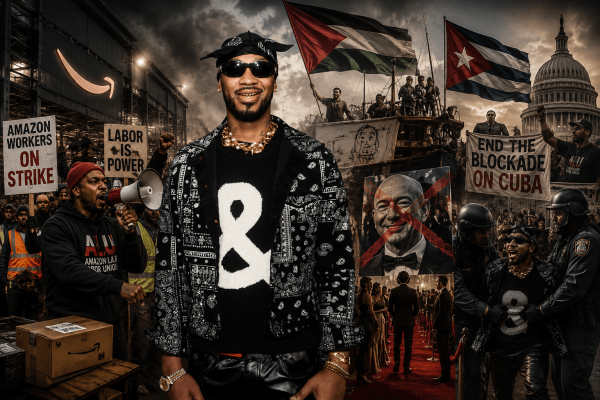
They Called It Ego: Jacobin, Chris Smalls, and the Policing of Black Anti-Imperialist Labor

Chris Smalls, once heralded as a labor hero, now finds himself a casualty of overblown ego in the eyes of Jacobin. Yet, this portrayal dangerously obscures a deeper truth: his evolution from solely confronting Amazon to advocating for Palestinian and Cuban solidarity reveals an unsettling fear among the respectable Left. They're comfortable with labor militancy as long as it remains contained and domesticated; once it branches into anti-imperialism, they recoil. Smalls symbolizes a challenge to the status quo, an unfiltered confrontation with empire that threatens to redefine labor politics as an international struggle. In essence, the fear of a Black worker embracing a global perspective exposes the fragile backbone of contemporary Leftist thought.

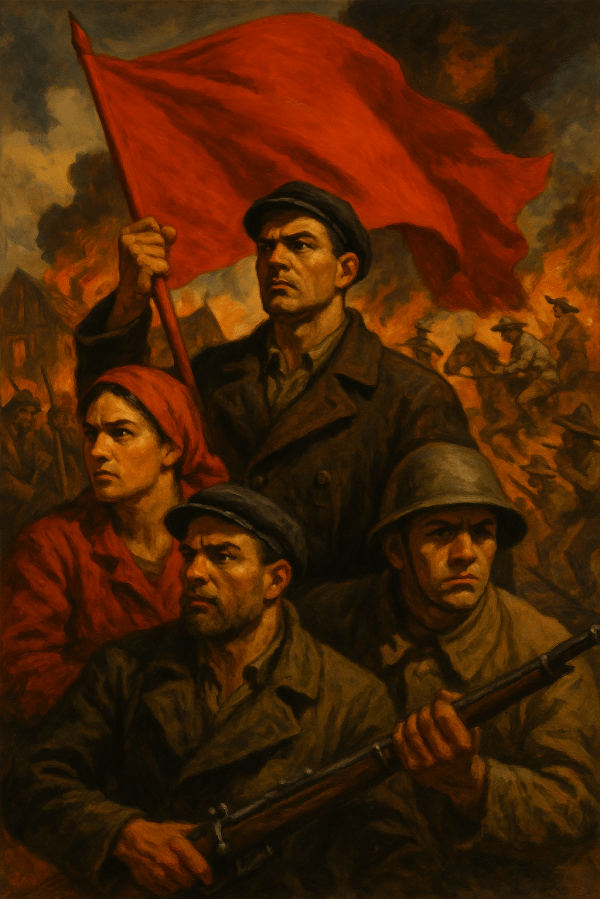
Capitalism Did Not Float In on the Market: Chibber, Jacobin, and the Political Function of Western Marxism

How Western Marxism Turns Colonial Violence into “History Theory” to Save the Settler OrderBy Prince Kapone | Weaponized Information | December 14, 2025When “History Theory” Becomes an Alibi for Empire This essay is a polemical intervention into a recent Jacobin interview with NYU sociologist Vivek Chibber, published as a transcript of an episode of Confronting... Continue Reading →

Website Powered by WordPress.com.

Up ↑