The Empire Lost Its Monopoly: Multipolarity, Class War, and the Fight to Own the Future
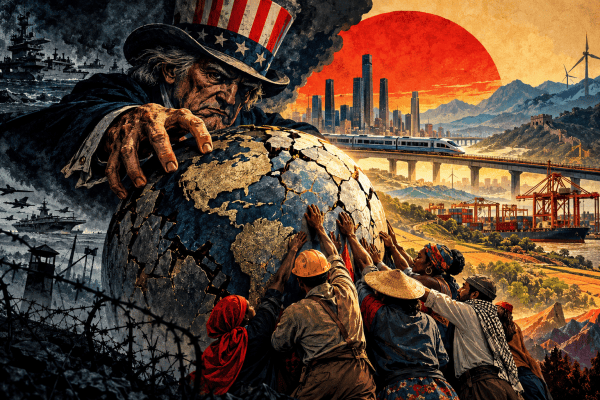
The imperialist façade is cracking as formerly colonized nations wield newfound agency, emboldened by China's socialist rise and BRICS collaboration. However, the narrative masks a grim reality: national sovereignty does not guarantee liberation from domestic exploiters. The struggle continues within, where local elites may replace imperial masters but retain the chains of economic subordination. This interplay reveals that power dynamics hinge on who decisively controls production and profits. As multipolarity expands possibilities, the essential question looms—will the working class finally seize genuine control over the fruits of their labor, or remain spectators in their own liberation? The era demands they reclaim agency—no more invitations.

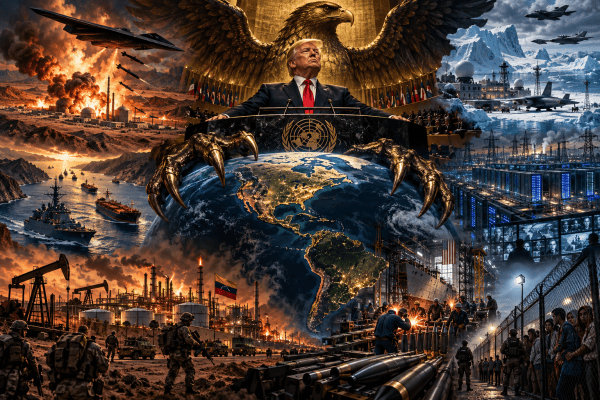
The Golden Age Needs a Gunboat: Trump’s UN Speech and the Rising Cost of American Command

Trump's United Nations address declares America’s resurgence, yet it reveals an empire grappling with an escalating need for military force and economic coercion to maintain supremacy. His speech elevates military spending, sanctions, and immigration enforcement as signs of strength while ignoring the underlying contradictions—an empire that once commanded effortlessly now relies heavily on intimidation. The reality is that the U.S. must work harder to enforce its will both abroad and domestically as competition grows and global power dynamics shift. Instead of showcasing dominance, Trump's rhetoric underscores a declining ability to produce consent, exposing the fragility of American imperialism. The mask of effortless domination is slipping.

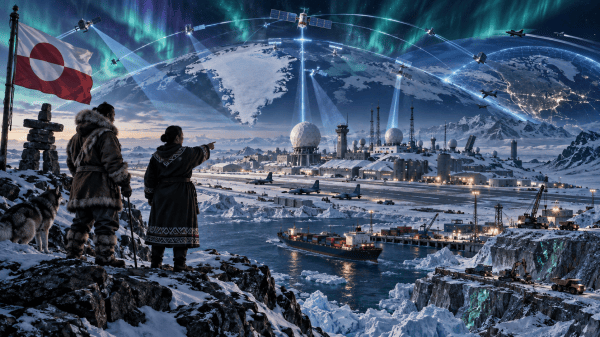
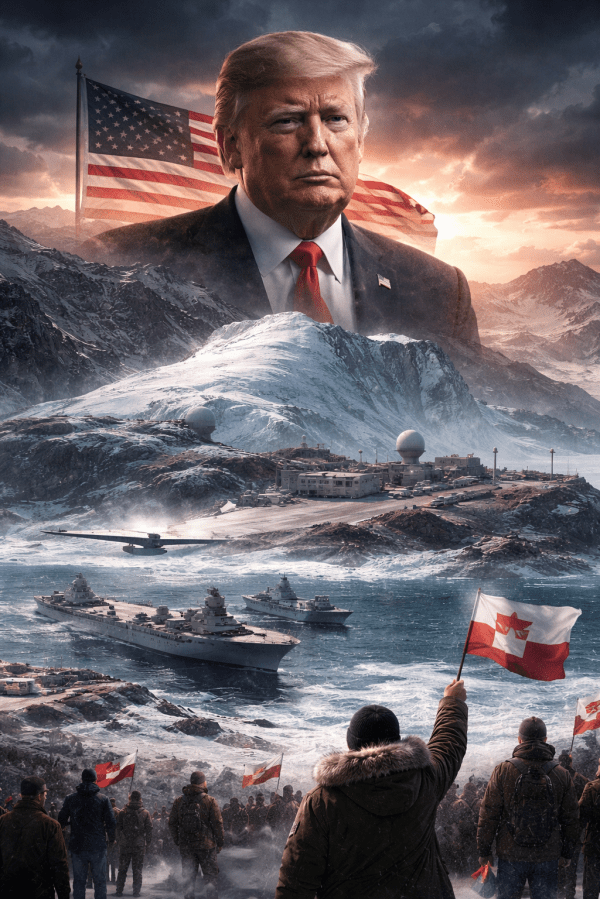
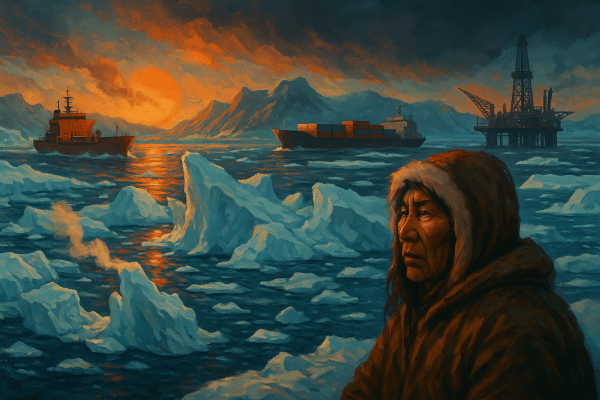
No Annexation Required: Greenland Gets a Seat Inside Washington’s Arctic Wall

Forget the surface-level headlines; the Greenland agreement is a complex chess game, far beyond Trump's land-grab fantasies. The U.S. and Denmark superficially box Greenland into negotiations, overshadowing its own quest for agency and self-determination in the face of imperial maneuvering. As the Arctic transforms into a geopolitical battleground against rising powers like China and Russia, Greenland finds itself asserting its rights while navigating the treacherous waters of dependency. The true question isn't merely who controls the territory but whether Greenland can leverage its newfound strategic significance into genuine autonomy and prosperity over its resources, contracts, and future.

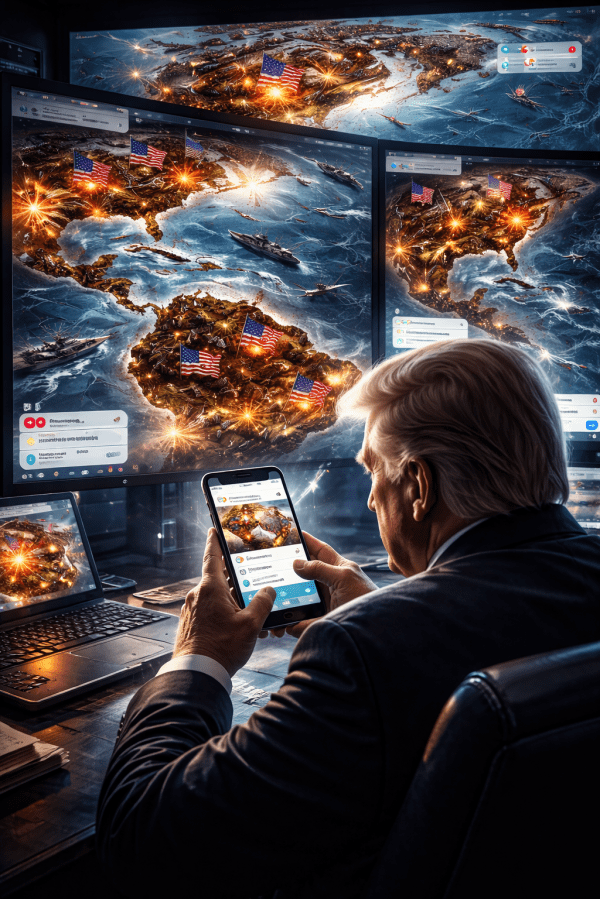
Posting Empire: Trump 2.0 and the Open Turn to Colonial Rule

How Trump’s Social Media Declarations Signal the Geopolitical, Economic, and Strategic Architecture of Fortress America and the American PoleBy Prince Kapone | Weaponized Information | January 12, 2026When Empire Posts Its Intentions There are moments when the empire speaks in polished paragraphs—through white papers, summit communiqués, and the priestly language of “shared values.” And then... Continue Reading →

Greenland and the Architecture of Fortress America

How U.S. Homeland Defense, Arctic Chokepoints, and Critical Minerals Are Converging into a New Territorial Imperial ProjectBy Prince Kapone | Weaponized Information | January 11, 2026Greenland Was Never a Joke — It Was a Map of Empire Speaking Out LoudWhen Trump first floated the idea of the United States “acquiring” Greenland, plenty of people laughed... Continue Reading →

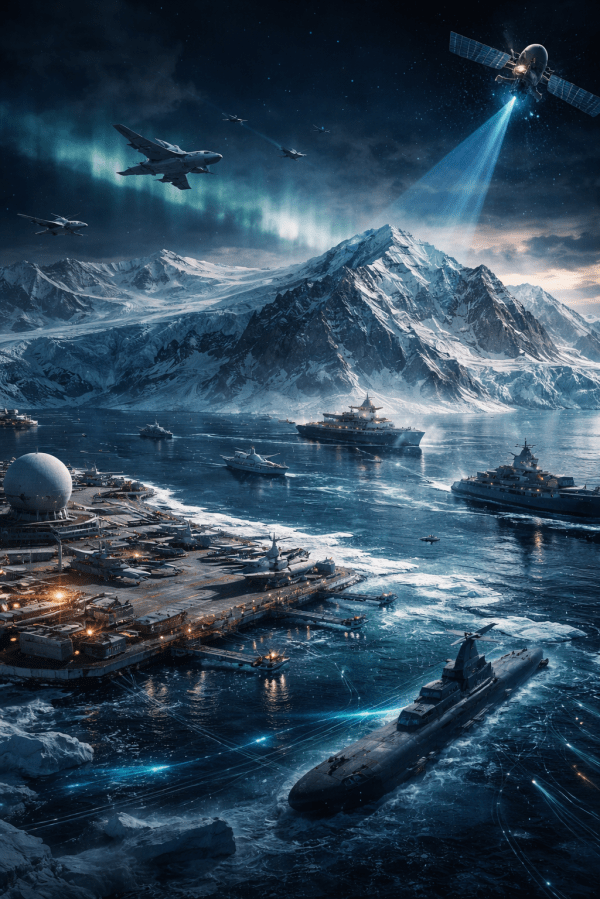
World War Sea: How the U.S. Empire Is Turning the Oceans into a Global Battlefield

The next world war won’t start on land—it will start underwater. From UNCLOS obstruction to seabed militarization, Washington is weaponizing the sea to block China, sabotage multipolarity, and preserve empire through force and extraction.By Prince Kapone | Weaponized Information | June 13, 20251. “Sovereignty,” Screamed from a Think-Tank BalconyFlip on 60 Minutes and you’ll hear... Continue Reading →

Website Powered by WordPress.com.

Up ↑