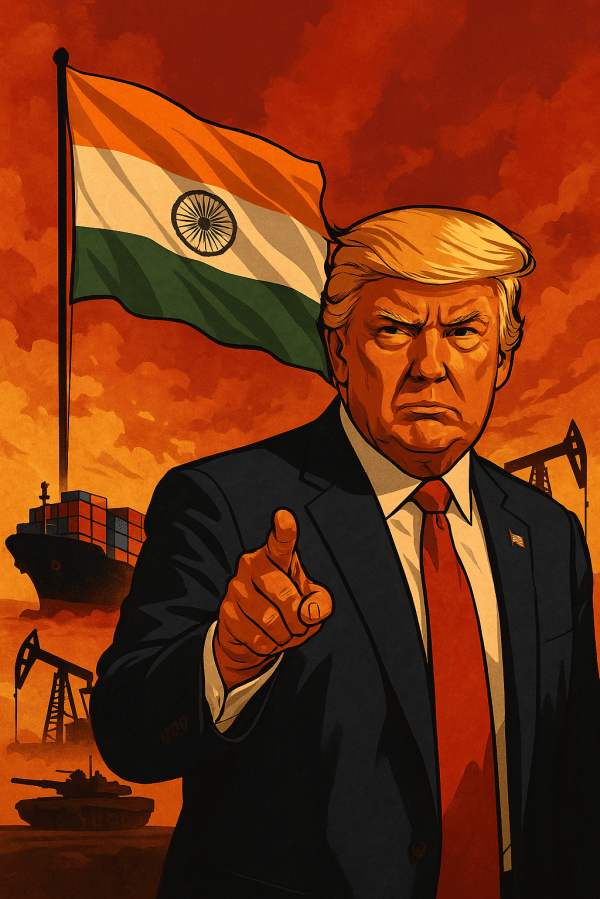
The Golden Age Needs a Gunboat: Trump’s UN Speech and the Rising Cost of American Command
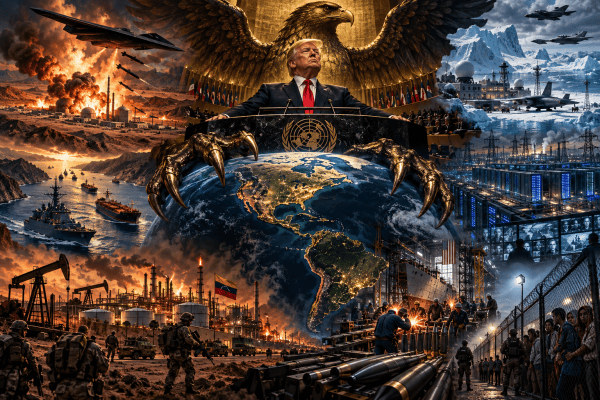
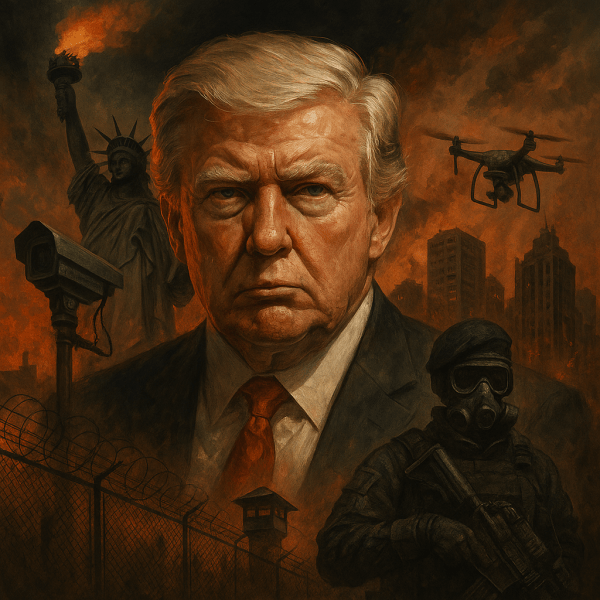
Trump's United Nations address declares America’s resurgence, yet it reveals an empire grappling with an escalating need for military force and economic coercion to maintain supremacy. His speech elevates military spending, sanctions, and immigration enforcement as signs of strength while ignoring the underlying contradictions—an empire that once commanded effortlessly now relies heavily on intimidation. The reality is that the U.S. must work harder to enforce its will both abroad and domestically as competition grows and global power dynamics shift. Instead of showcasing dominance, Trump's rhetoric underscores a declining ability to produce consent, exposing the fragility of American imperialism. The mask of effortless domination is slipping.

The Empire Still Holds the Gates: Multipolarity Builds Roads Around Them

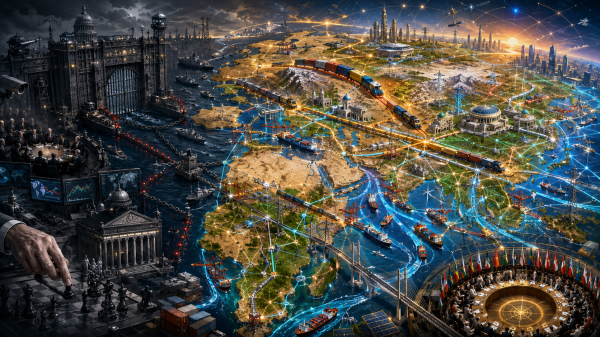
Multipolarity isn't a new empire but a complex web of power dynamics where countries strive for developmental autonomy without severing ties to imperial centers. Though emerging institutions like BRICS and SCO offer alternatives, they reveal a deeper truth: political independence doesn't guarantee economic sovereignty. The geopolitical landscape is increasingly messy; states are interconnected yet vulnerable. For every summits attended and partnerships forged, underlying dependencies remain unchallenged. The real question isn’t where countries sit on a world map; it’s who controls resources and technology within their borders. True liberation from exploitation lies not in diplomatic participation but in addressing internal inequalities and class power.

The Crime of Making Too Much: China and the Empire’s Monopoly on Abundance

The Economist's recent critique of China's industrial prowess reveals a deeper hypocrisy within Western narratives. While it acknowledges China's efficiency, it vilifies state-driven competition when it disrupts Western hegemony. The real issue is not overproduction but an imbalance of purchasing power, presenting an ugly tableau of warehouses filled with goods while people lack access. As China strives for self-reliance, the West's response is to impose tariffs and sanctions, prioritizing monopoly over equitable distribution. This conflict isn’t a mere economic dispute; it’s a struggle for who controls productive capacity. The question is whether to align production with human need or maintain the status quo of inequality.

Software, Sanctions, and the Empire in Decline

How U.S. Economic Warfare Against China Exposes the Crisis of Hyper-Imperialism By Prince Kapone | Weaponized Information | October 22, 2025 The Empire’s Invisible Hand on the Newswire On October 22, 2025, Reuters published a story announcing that the United States is “considering” sweeping new export restrictions on any product “containing or made with U.S.... Continue Reading →

Losurdo vs. Liberalism: Slavery, Extermination, and the True History of the “Community of the Free”

A Weaponized Intellects Book Review of Domenico Losurdo’s Liberalism: A Counter-History By Prince Kapone | Weaponized Information | August 9, 2025 The Janus Face of Liberalism: Freedom for Some, Chains for the Rest Liberalism likes to wear its Sunday best. It arrives in the world dressed in the fine robes of “rights,” “liberty,” and “progress,”... Continue Reading →

Daddy Diplomacy: Trump’s Tariff Ultimatum and the Imperial Recolonization of India

The U.S. isn’t negotiating with India—it’s disciplining it. Trump’s 25% tariff threat isn’t about trade; it’s about obedience. Behind the Apple supply chain shift lies a digital leash. Behind the rhetoric of fairness lies imperial punishment. Washington wants to break BRICS+, shatter India’s autonomy, and reassert control over the semi-periphery. This is empire in decline,... Continue Reading →

Website Powered by WordPress.com.

Up ↑