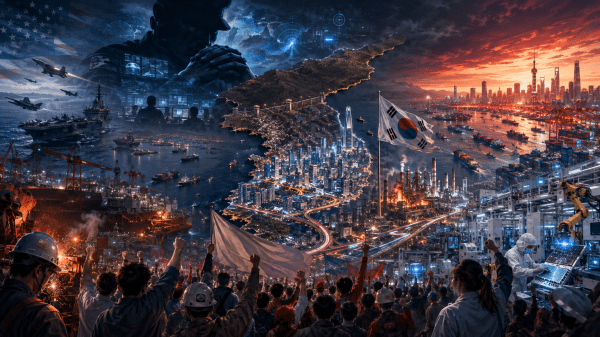
Lenin's "Imperialism, the Highest Stage of Capitalism" exposes the dark underbelly of capitalism, where economic forces and political power dance in a shadowy masquerade. He reveals how imperialism is not a mere side-effect of states' ambitions but a complex product of capital's relentless quest for profit, driving nations to export capital rather than just goods. The document reflects the sinister dynamics that create monopolies, establish financial oligarchies, and differentiate classes within the proletariat, suggesting that even workers can become complicit in their subjugation. This analysis remains crucial today, as it compels us to question ownership and control within our increasingly interconnected world.
Lenin’s Imperialism: The World Is Socialized, the Loot Stays Private