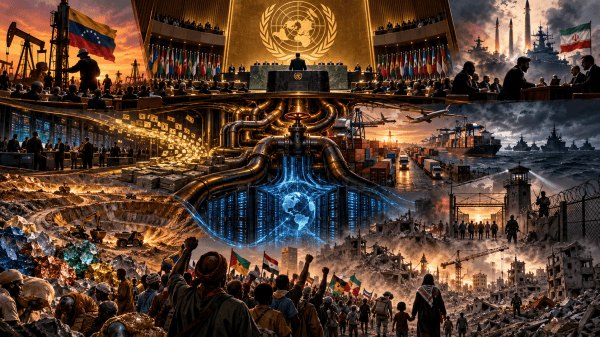
UNGA 81 looked like a week of separate crises: Palestine, Iran, Venezuela, artificial intelligence and China. Beneath the speeches, however, each exposed the same unfinished contradiction between formal sovereignty and the unequal material power needed to make sovereignty real. Gaza’s reconstruction, Venezuela’s oil revenues, Iran’s negotiations under coercion, and the Global South’s struggle for technological capacity all reveal how finance, property, military force and infrastructure shape what legal equality can actually deliver. The summit’s real story wasn’t only what leaders said from the podium, but who still controls the machinery that gives those words weight.
The Rear Grew Teeth: Europe Rearms the Empire and Builds the Means to Defy It
Europe stands at a crossroads, teetering between aspiration and disillusionment. While citizens envision a unified continent brimming with strength, their faith in existing structures crumbles under the weight of slow responses and dependency on America. With rising defense spending and manufacturing capacities, the stakes are high: will this newfound power serve the elite monopolies or empower the working class? The far-right feeds on feelings of decline, masking deeper questions about control and ownership. The real issue isn't a lack of imagination but the dire need for command: who controls Europe’s burgeoning power? The fight for true sovereignty—socially and politically—has only just begun.
The Guardrails Are a Cage: AI, Surplus Humanity, and the Technofascist State
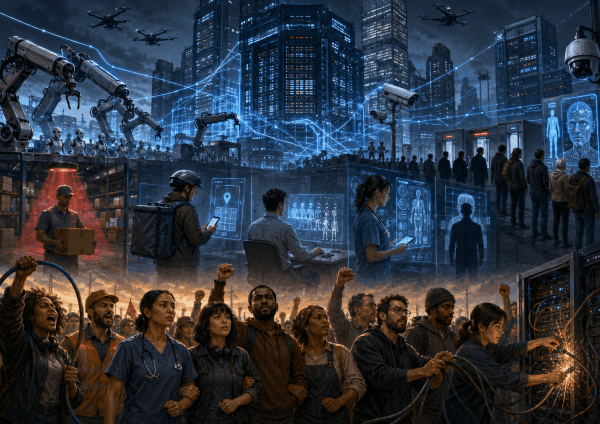
Hundreds of economists warn that artificial intelligence could displace millions of workers, but their petition mistakes a ruling-class offensive for a technical oversight. AI is already being used to reduce workforces, intensify surveillance, automate discipline, exclude applicants, restrict public benefits, and strengthen military and counterinsurgency systems. The real danger is not that machines may escape human control, but that monopoly capital is using them to reduce its dependence on labor while expanding the apparatus needed to manage those it renders surplus. Against this technofascist future, workers are organizing to seize control over deployment, data, productivity, and power.
The Sky Is Not for Sale: Namibia, Starlink, and the New Colonial Scramble for Digital Sovereignty
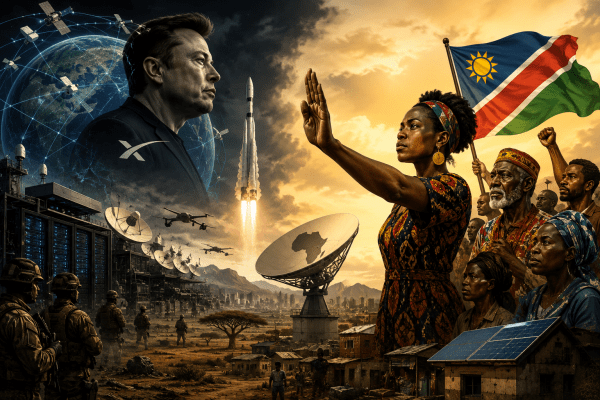
Elon Musk's Starlink faces a serious blow from Namibia as the nation's defense of local ownership laws clashes with corporate expansionism framed as progress. The business press conveniently portrays Namibia's regulations as hurdles to innovation, sidelining the crucial narrative of African sovereignty. This conflict is not merely about internet access but about resisting a new wave of digital colonialism preying on postcolonial nations' rights. As Namibia asserts its regulatory authority in telecommunications, the stakes rise: will Africa's digital future be owned by outsiders or harnessed for the continent's empowerment? The struggle embodies a fundamental question—who controls the gateways to communication and sovereignty?