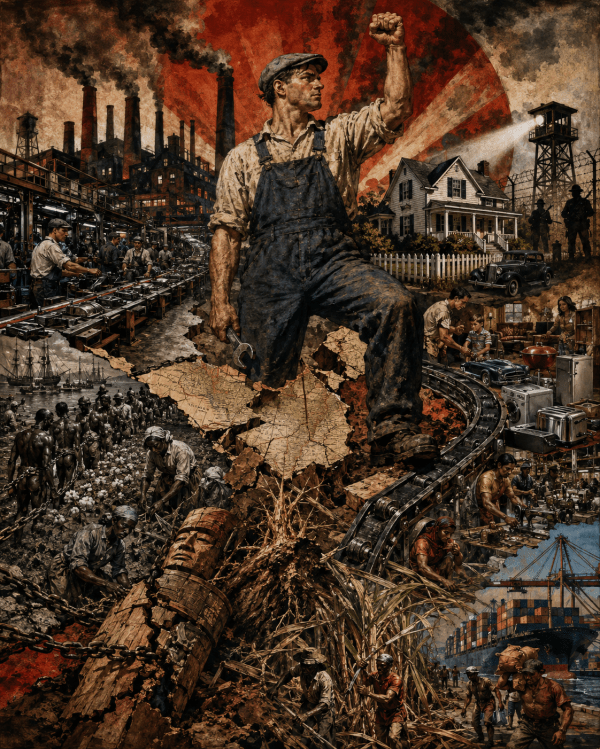
J. Sakai's *Settlers* shatters the sanctified image of the white proletariat by exposing them as products of a colonial system built on genocide, conquest, and exploitation. He argues that white labor, while subjected to capitalist oppression, has historically defended the very empire benefiting from their privilege. The text dismantles the myth that suffering automatically leads to class solidarity or consciousness, instead positing that loyalty to the colonial project is rooted in material circumstances. Sakai's revisionist approach insists that genuine liberation cannot emerge from complicity in settler structures, challenging the Euro-American left's complacency and demanding a conscious, organized revolutionary defection from oppressive systems.
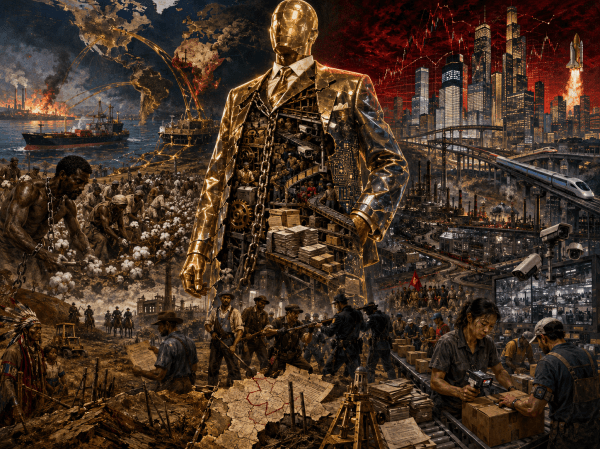
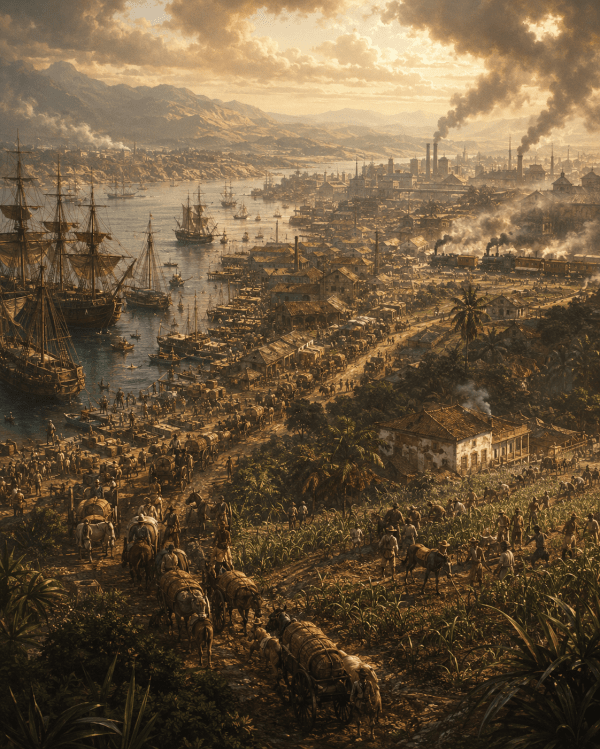
The Market Came Armed: Sven Beckert and the World Capital Built by Conquest
Sven Beckert demolishes capitalism’s favorite myth: that it emerged from free markets, innovation, and peaceful exchange. His global history shows a system built through conquest, slavery, colonial dispossession, state power, coerced labor, and repeated counterrevolution. Yet Beckert repeatedly turns rebellions, socialist revolutions, and anticolonial victories into episodes in capitalism’s adaptation. This review seizes his historical arsenal while rejecting that retreat, arguing that a world made through organized class and colonial power can be remade only through the organized power of workers and oppressed peoples.
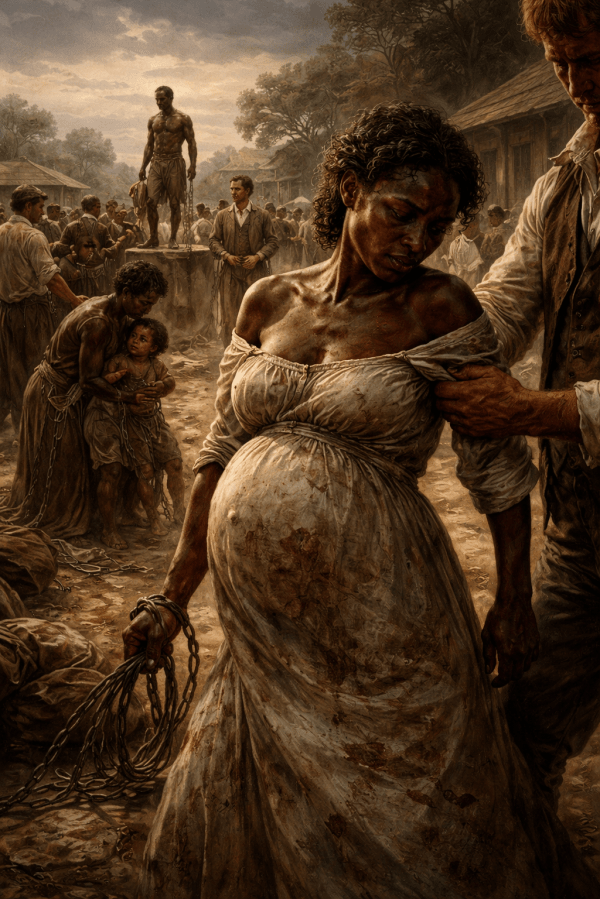
The Capitalized Womb: How Slavery Turned Black Women’s Reproduction into American Wealth
JSTOR’s tidy little history lesson reveals something real, but only after liberal scholarship scrubs the auction block clean enough for polite readers. Beneath the archive sits a system that turned rape, forced birth, and hereditary bondage into law, credit, and capital. The real story is not bad science gone astray, but a slave order using... Continue Reading →
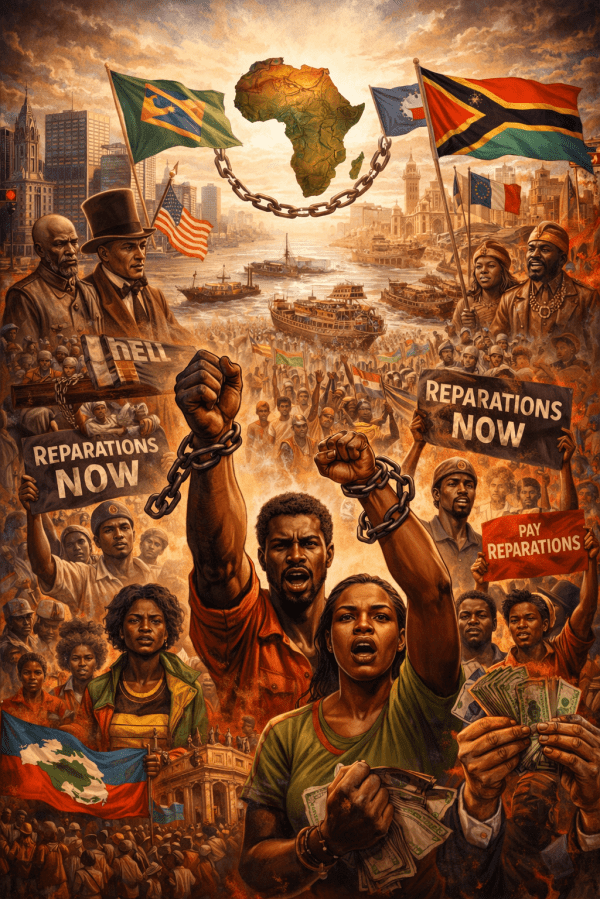
AP Reports the Crime, Not the Consequence: How Empire Acknowledges Slavery While Defending Its Spoils
The Associated Press presents the UN resolution as a moment of moral recognition, but its reliance on official voices and diplomatic language reveals how power narrates history without disturbing itself. The material record shows that slavery’s wealth still structures the present, and that organized reparations movements—from Africa to the Caribbean to grassroots struggles—are confronting that... Continue Reading →
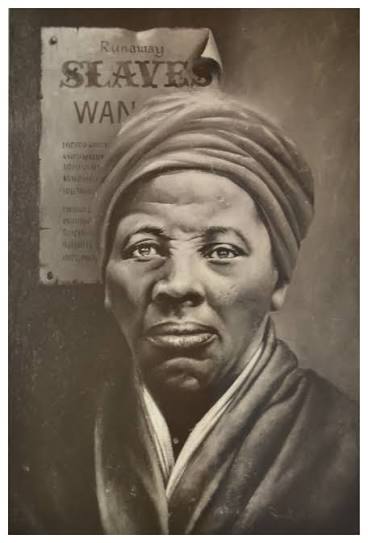
Harriet Tubman and the Science of Escape: Maroon Strategy, Labor Rebellion, and the Black Woman Who Turned Slavery Against Itself
Harriet Tubman did not merely flee bondage; she attacked the economic foundations of slavery by organizing collective escape, disrupting the immobilization of Black labor, and later striking directly at Confederate infrastructure in war. Emerging from a regime that depended on the total control of Black women’s bodies, she transformed from exploited worker into disciplined strategist,... Continue Reading →