Putin “Woos,” the West Robs: Reuters Writes Africa Out of Its Own Liberation
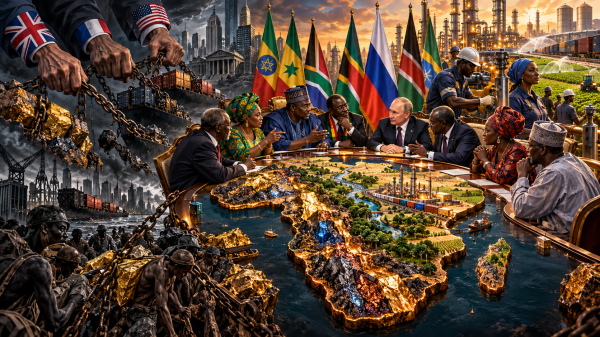
Putin's charm offensive in Moscow, showcased by forty-eight African delegations, hardly veils the reality that African leaders exist merely as props in a grand stage play. While Russia pitches economic promises, it's the West's narrative that dominates, portraying Africa as a passive recipient. Yet, beneath the political theater, African ambitions for self-sufficiency simmer, illustrated by the African Union's strong call for industrialization and local production. This counter-narrative reveals a continent striving to wrest control from neocolonial shackles, challenging a status quo predicated on dependency. The struggle isn’t merely for trade; it's a fierce reclamation of agency long denied. Africa’s narrative is reshaping, and the stakes are higher than ever.

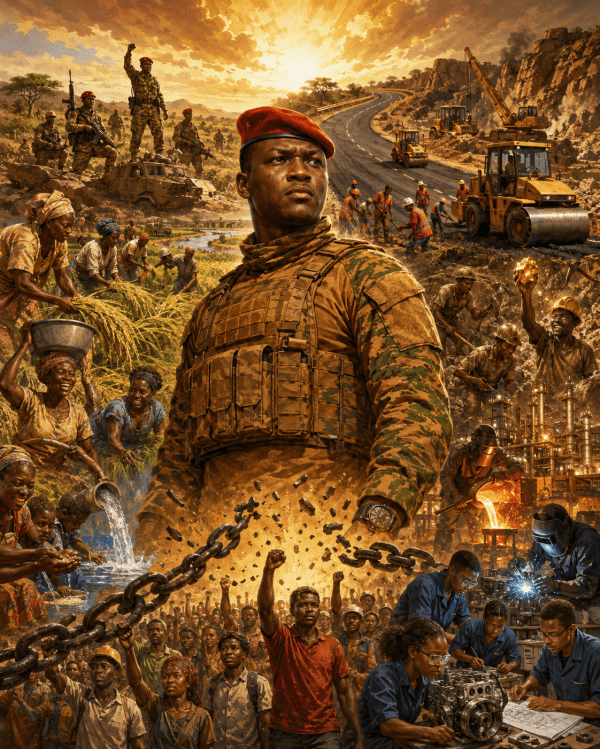
The Road, the Rifle and the Rice Field: Ibrahim Traoré’s War Against the Machinery of Dependence

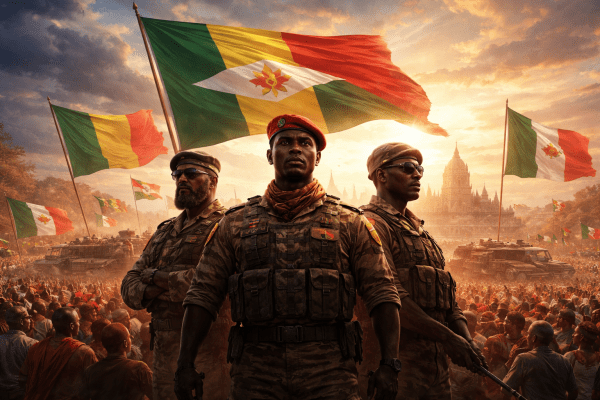
Ibrahim Traoré’s speech is more than a declaration of national resolve. It is a sustained confrontation with the machinery of African dependency: roads promised but never built, minerals exported without transformation, imported goods replacing productive capacity, universities producing credentials instead of machines, and local elites profiting from national weakness. Through the recurring question—“Are we cursed?”—Traoré rejects racial fatalism and insists that Africa’s condition has a history, a structure and beneficiaries. This intervention excavates the speech’s strongest contradictions while asking whether state-led sovereignty can become genuine popular power rather than another project administered above the people.

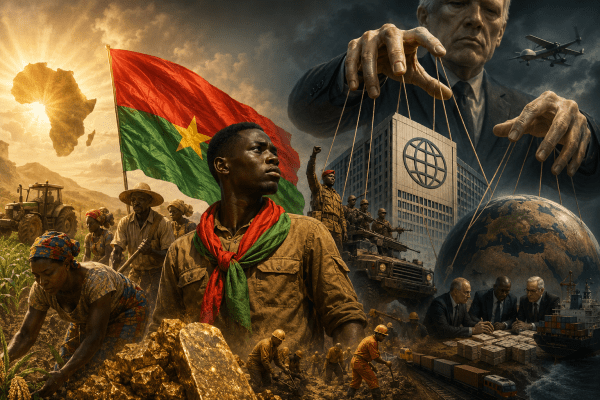
The Development Racket: How the World Bank Repackages Empire in Burkina Faso

The World Bank's report on Burkina Faso masquerades as a beacon of growth while burying the sinister realities of imperialism and neoliberal domination. Beneath the polished metrics of economic success lies a nation striving for food and resource sovereignty, grappling with the vestiges of colonial exploitation. This report, cloaked in the language of reform, manipulates narratives to maintain control, ignoring the voices of those truly affected. Burkina Faso’s fight against the systems that dictate their development is not a mere economic story; it's a battleground for sovereignty, pitting genuine progress against imperial interests that aim to manage rather than liberate.

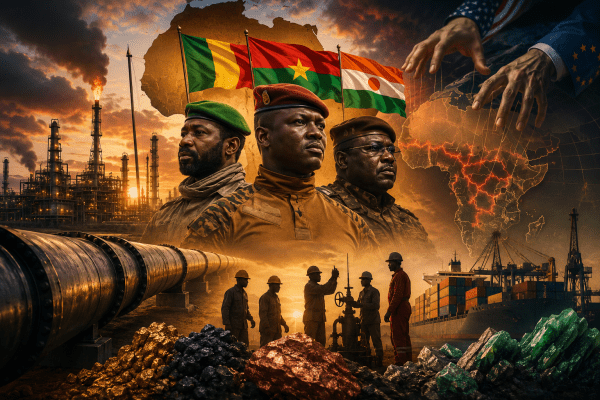
Black Gold, Broken Chains: The AES, China, and the Sahel’s Revolt Against Empire

The recent oil agreements between Niger and Chinese firms aren't just another business deal; they expose a seismic shift in Africa's political landscape. As Western powers cling to outdated neocolonial frameworks, Niger is bargaining fiercely for sovereignty over its vast resources, rejecting mere extraction in favor of local control. This isn't a clean break; it’s messy and contradictory, revealing the power struggle over who governs the circulatory systems of wealth. The Sahel countries are navigating a new reality where they challenge traditional dependency and assert their agency. History is shifting beneath our feet—can Africa carve out a new path, or will old patterns reassert themselves?

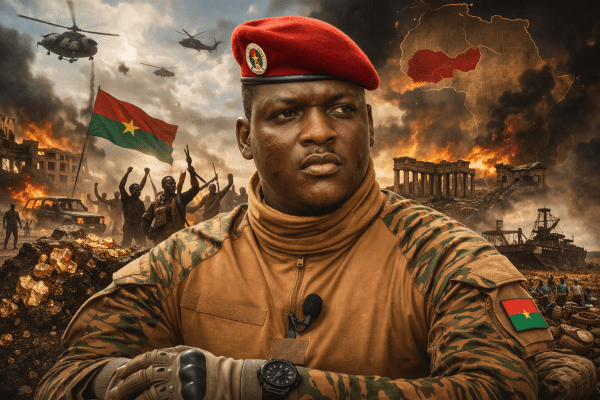
Burkina Faso, Ghana, and Business Insider Africa: Corridor Cooperation in the Shadow of Uneven Sovereignty

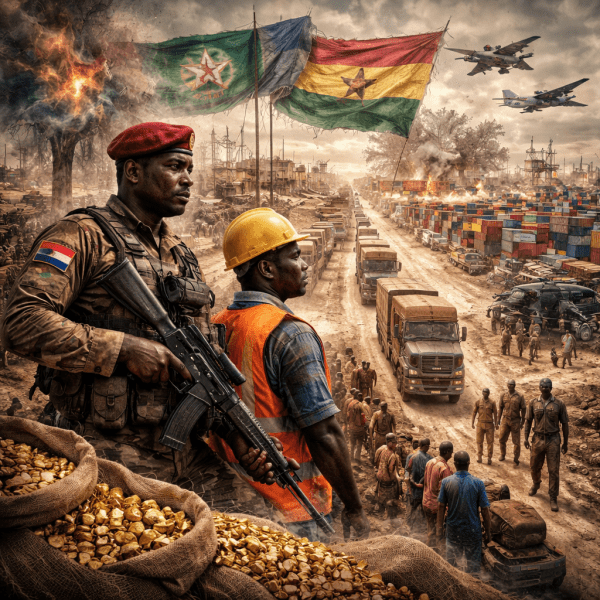
Business Insider Africa frames the Ghana–Burkina agreements as a pragmatic security and trade reset, and we begin by excavating how that cooperation is narrated. We then map the documented terrain beneath the headline: ECOWAS rupture, AES consolidation, French military withdrawal, AFRICOM continuity, gold extraction circuits, CFA monetary tether, IMF discipline, and multipolar infrastructure competition. From... Continue Reading →

Website Powered by WordPress.com.

Up ↑