When the Savages Manage Savagery: 9/11, Permanent War, and the Collapse of the American Century
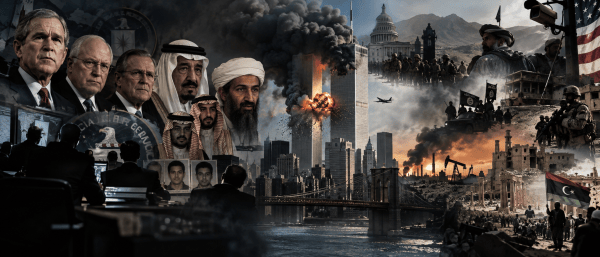
Max Blumenthal’s The Management of Savagery traces how the Afghan jihad, covert warfare, and the post-9/11 national-security state produced enemies Washington repeatedly claimed it could control. The full architecture of September 11 may never be known, but the official story cannot explain the accumulated record of intelligence failures, Saudi-linked facilitation, prior war planning, institutional obstruction, and immediate imperial exploitation. From Afghanistan and Iraq to Libya, Syria, domestic surveillance, and the rise of Trump, the same contradiction returns: empire weaponized instability, then lost control of the forces it empowered. Permanent war expanded American coercion while accelerating the collapse of the unipolar order.

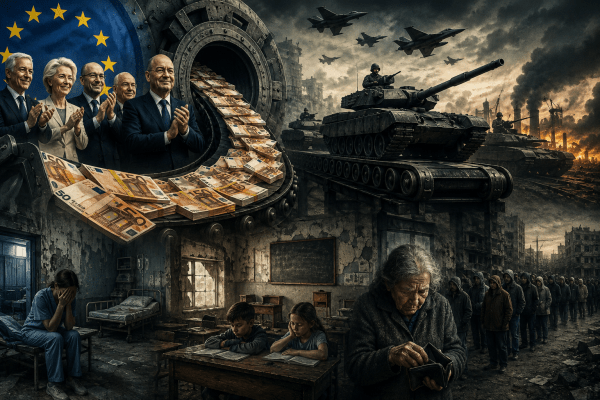
The Arsenal Is Late: Europe’s Ruling Class Discovers There Is Always Money for War

Deutsche Welle cleverly disguises Europe's urgent rearmament as a procurement issue, distracting from the stark reality of militarization overtaking public life. The article's real message isn't about the delays in weapon delivery, but rather the easing of governmental budgets for defense while essential services wither under austerity. It reveals an empire tightening its grip under NATO's command, where social welfare takes a back seat to military expenditure. This narrative won't invite questions about people's needs, but rather about how to improve efficiency in arms production. The specter looms: the increasing normalization of a military-first economy must be resisted, as it's not merely about security, but the reorganization of society around war.

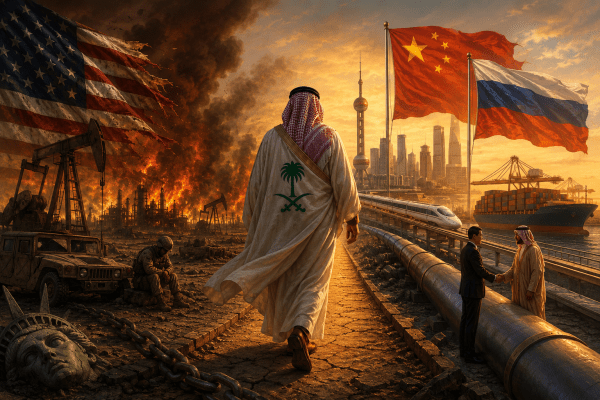
The Master Brings Fire: Why Saudi Arabia Is Looking East as the American Oil Order Burns

The narrative on Saudi Arabia's pivot to China disguises a deeper crisis in the U.S. imperial order. This is not a simple geopolitical romance; rather, it's a monarchy hedging its bets amid a shaky alliance once thought stable. With U.S. militarism fueling vulnerability in the Gulf, Riyadh seeks alternatives to the failing American security blanket, signaling an alarming shift. Yet, this recalibration is not liberation; it reveals the fragility of U.S. dominance as clients explore exits from a system that thrives on exploitation and chaos. As empires decay, the task is clear: galvanize working-class resistance against the war machinery that perpetuates this chaos.

Website Powered by WordPress.com.

Up ↑