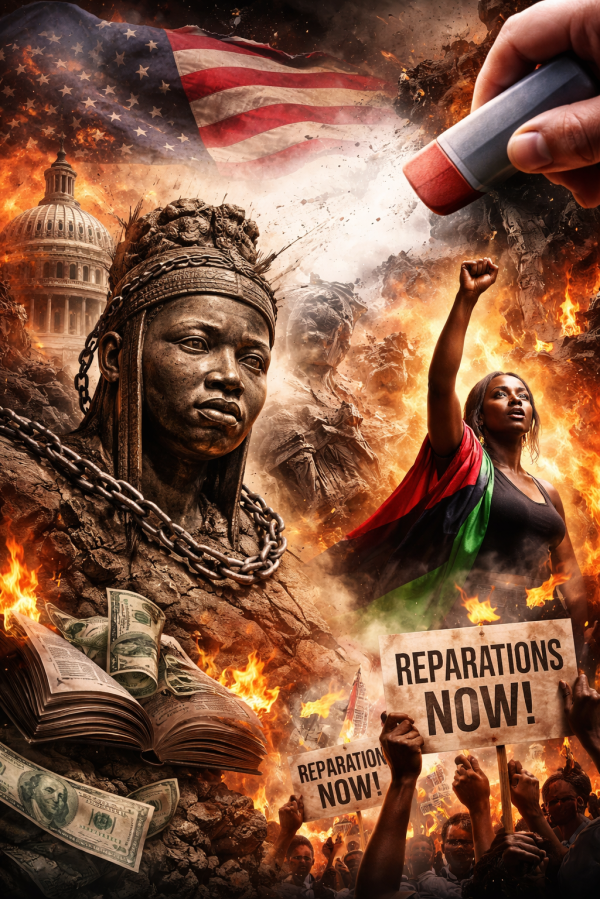
The Divided Empire: Prashad, Buze and the Contradiction Between Hyper-Imperial Unity and Capitalist Rivalry
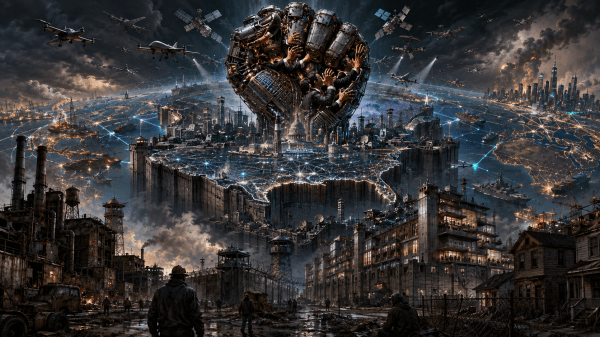
In a time when U.S.-led imperialism tightens its grip, nuanced debates emerge about the new American Pole—a daunting fusion of military, financial, and technological power that suppresses dissent while promising security. Vijay Prashad argues for a hyper-imperialism consolidating state control and aggressiveness against external defiance, while Özcan Buze highlights lingering national rivalries within the empire’s core. As cities devolve into ghost towns stripped of industry and sovereignty is commodified, the left is urged to unite struggles for worker power, national liberation, and social ownership. The empire’s contradictions must fuel a revolutionary response—a call to dismantle the machinery that perpetuates exploitation, rather than aspiring for a mere return to past privileges.

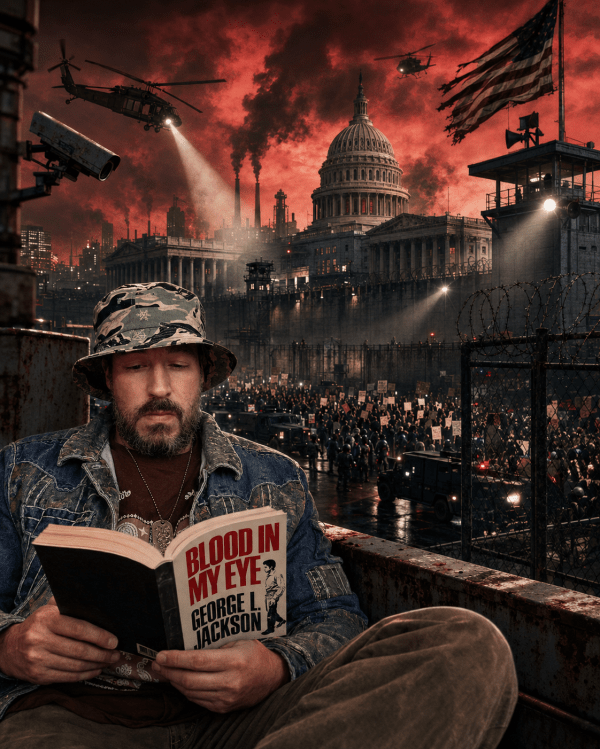
Democracy With a Gun to Your Head: George Jackson and the American Fascist Order

George Jackson wrote from inside the cage and exposed the system beyond it. In Blood in My Eye, prison, property, racial domination, monopoly capital, and imperial war appear not as separate problems but as parts of one American order. Jackson’s theory of secure fascism revealed how counterrevolution can rule through elections, reform, consumerism, surveillance, and controlled opposition as effectively as open terror. His strategic errors matter too: revolutionary potential is not consciousness, and militant initiative cannot substitute for organized mass power. This review recovers Jackson as a living weapon—one to be studied, sharpened, corrected, and returned to the struggle.

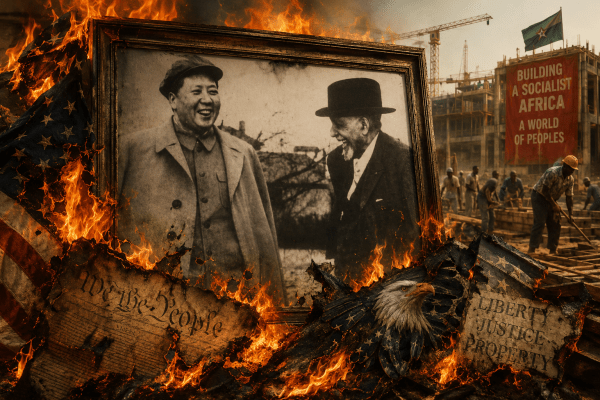
Un-American by Choice: W.E.B. Du Bois and the Revolution Liberal Memory Could Not Bury

For generations, the American academy celebrated W.E.B. Du Bois while burying the revolutionary conclusions that defined the final decades of his life. In this Weaponized Intellects review of Bill V. Mullen's Un-American, we excavate the real Du Bois: communist, anti-imperialist, Pan-African internationalist and unapologetic ally of socialist revolution. Mullen powerfully restores Du Bois to the global struggle against capitalism and colonialism, yet retreats into familiar anti-Stalinist assumptions when revolution becomes embodied in the Soviet Union and the People's Republic of China. The result is both an indispensable recovery and a revealing ideological battleground over the meaning of socialism, state power and the unfinished project of world revolution.

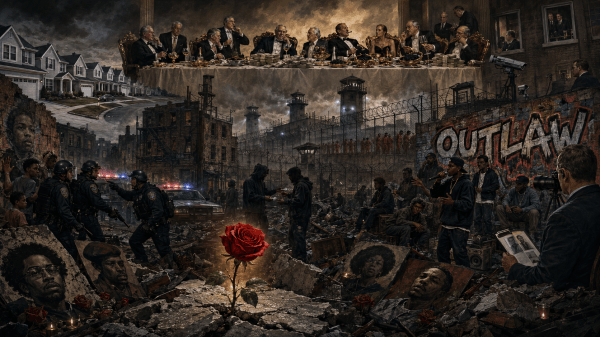
The Rose That Grew From Concrete: Tupac Shakur, Revolutionary Memory, and the Industry That Sold It Back

Dean Van Nguyen's "Words for My Comrades" passionately reclaims Tupac Shakur as a pivotal voice in the Black revolutionary movement, tracing his roots back to the powerful yet fragmented legacy left by the Panthers. While capitalism commodifies Tupac's image, the essence of his revolutionary spirit remains alive, urging listeners to confront issues of systemic oppression and identity. Van Nguyen illuminates the contradictions in Tupac's life, linking them to a larger inheritance shaped by state repression and cultural rebellion. Ultimately, Tupac's significance lies not in providing a finished political framework but in sparking inquiry into collective struggle and revolutionary continuity, creating pathways toward genuine transformation.

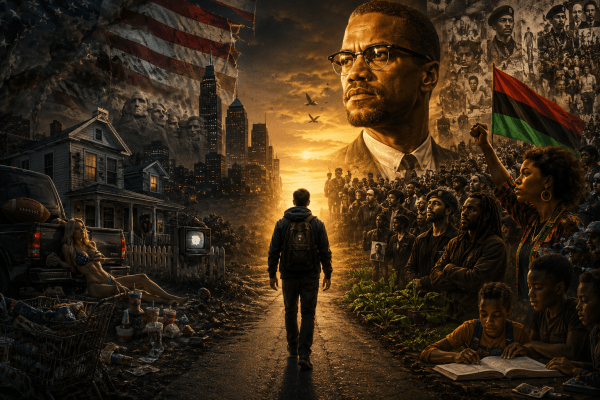
From the Amerikan Dream to the Amerikan Nightmare: Malcolm X, Revolution and the New Human Being

Malcolm X reshaped my understanding of America’s racial dynamics, revealing it not as a flawed democracy but as a colonial project steeped in oppression. His teachings led me beyond the shallow understanding of leftist politics to a deeper comprehension of the intertwined struggles against imperialism and capitalism. Each encounter with his work pushed me toward recognizing humanity in the oppressed and the global context of their struggles. Through Malcolm, I learned that true liberation requires a conscious break from inherited identities tied to empire. His evolution mirrors a broader human struggle, challenging us to embrace revolutionary love as an act of transformation, not mere rhetoric.

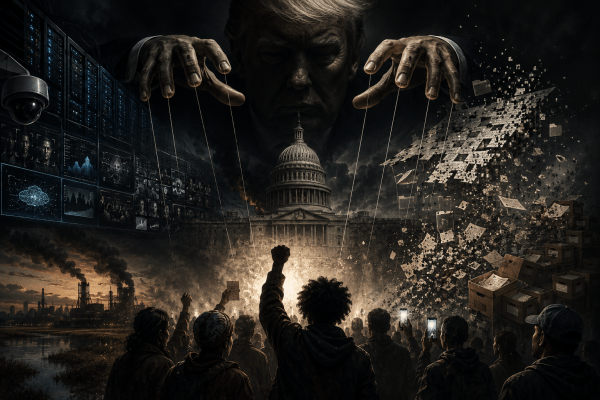
Census of Collapse: Trump, Technofascism, and the War Against Reality

The Trump regime's assault on federal datasets is a calculated effort to erase reality, obscuring critical information on hunger, pollution, maternal health, and climate disasters. By dismantling public data, the ruling class suppresses the very tools citizens need to challenge systemic failures. Expert narratives dominate discourse, overshadowing the voices of the oppressed who suffer and resist. This isn't just bureaucratic negligence; it's a deliberate strategy to manage perception amidst a crumbling empire. As the regime erases statistics, communities are disarmed and rendered invisible, making the struggle for public knowledge essential to resistance against state control. The battle for data is a battle for truth.

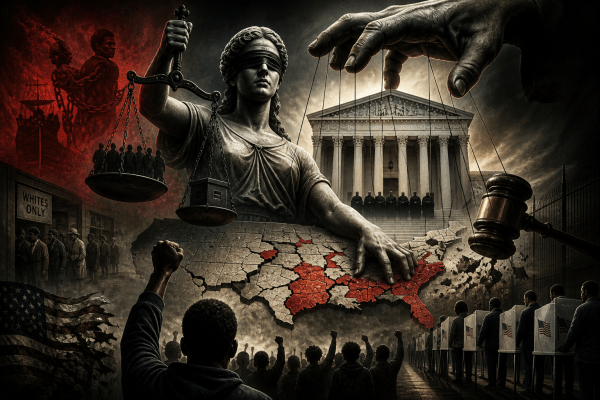
The Colorblind Con Job: How the Supreme Court Makes Black Power Disappear

In a provocative dissection of the U.S. Supreme Court's ruling against Louisiana's majority-Black district, the article exposes a chilling truth: the very mechanisms meant to ensure voting rights are systematically undermined. NPR's portrayal of this as a mere legal setback pales in comparison to the deeper rot at the heart of American democracy, which has long grappled with the notion of Black political power. This ruling is emblematic of a historical pattern where rights are granted under duress, only to be stealthily reclaimed when they threaten the status quo. It’s not just about losing a voting bloc; it’s about the ongoing struggle for true representation in a system designed to contain it.

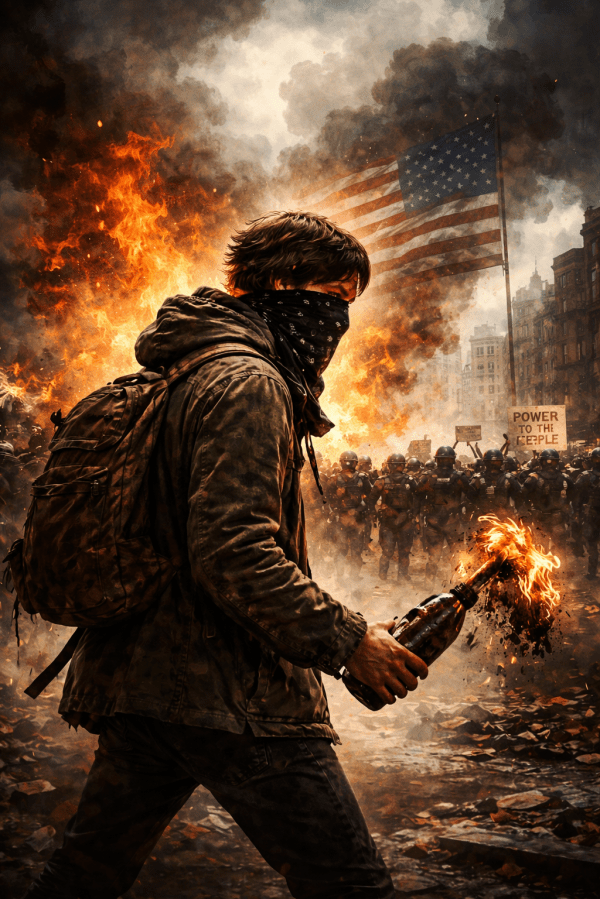
You Can’t Bomb Your Way Out of Empire: The Colonial Contradiction, White Radicalism, and the Failure of the Weather Underground

A liberal memoir transforms a history of anti-imperialist rebellion into a story of family inheritance, masking the structural realities of empire and repression. Beneath that narrative lies a system defined by imperial war abroad and counterinsurgency at home, where dissent is managed, surveilled, and neutralized. The Weather Underground emerged from this contradiction, but its turn... Continue Reading →

Website Powered by WordPress.com.

Up ↑