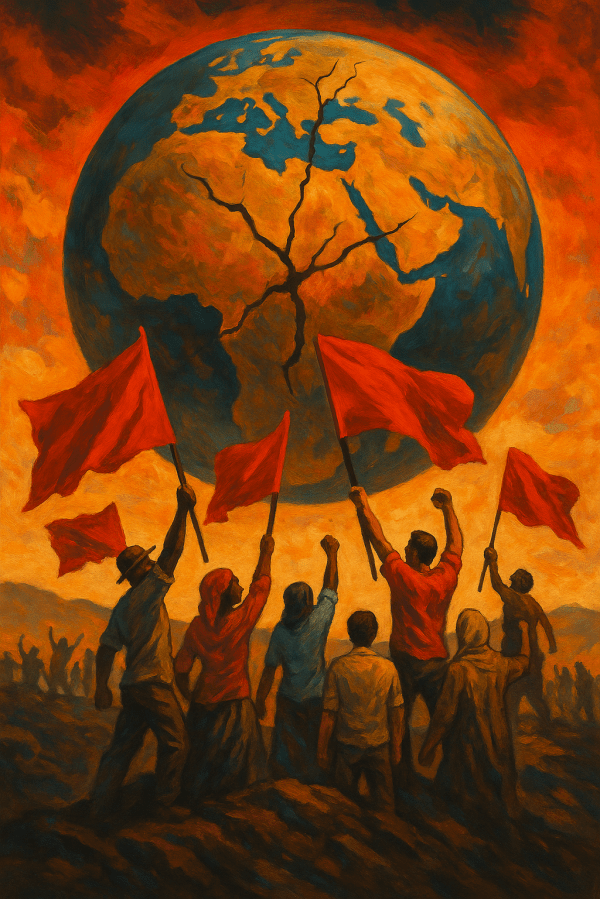
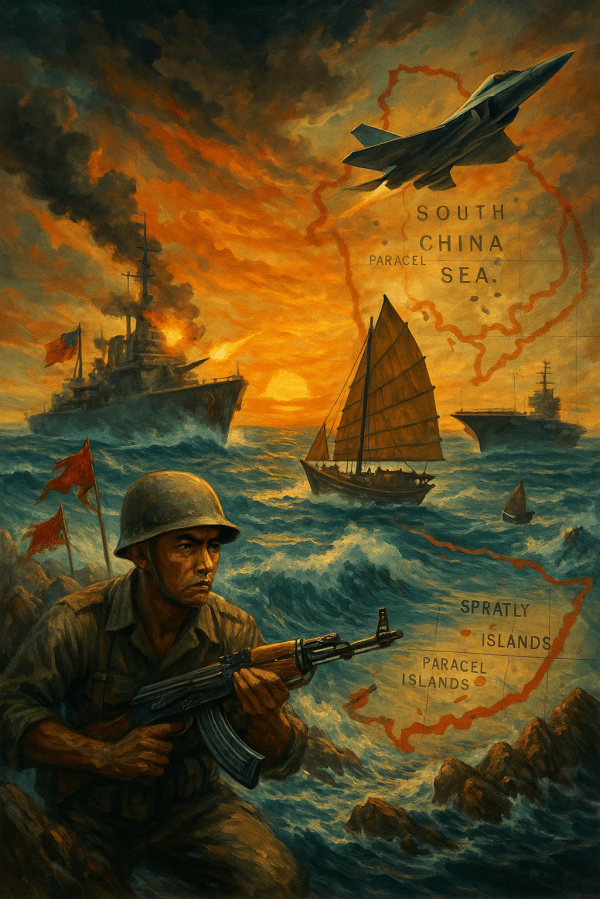
The Empire Still Holds the Gates: Multipolarity Builds Roads Around Them
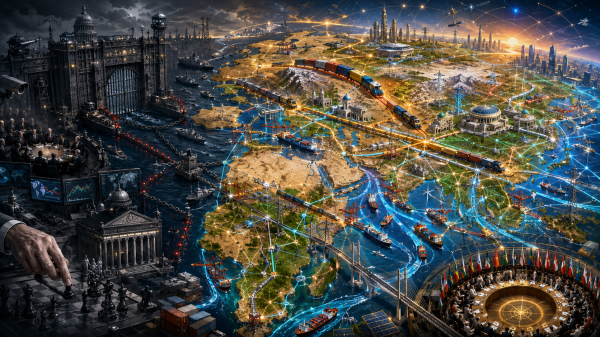
Multipolarity isn't a new empire but a complex web of power dynamics where countries strive for developmental autonomy without severing ties to imperial centers. Though emerging institutions like BRICS and SCO offer alternatives, they reveal a deeper truth: political independence doesn't guarantee economic sovereignty. The geopolitical landscape is increasingly messy; states are interconnected yet vulnerable. For every summits attended and partnerships forged, underlying dependencies remain unchallenged. The real question isn’t where countries sit on a world map; it’s who controls resources and technology within their borders. True liberation from exploitation lies not in diplomatic participation but in addressing internal inequalities and class power.

Keeping to the Socialist Path: Laos, China, and the Machinery of South-South Development

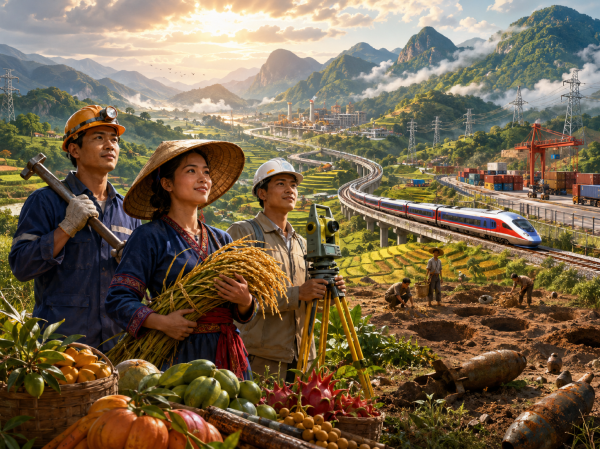
The June 2026 Laos-China state visit unfolded as a significant convergence between two socialist nations navigating their intertwined ambitions amid a capitalist-imperialist world. Rather than surrendering to the narrative of a “debt trap,” Laos and China embraced a collaboration marked by political intent, evidenced in thirty-two agreements across sectors like agriculture and technology. This partnership aims to transform Laos into a self-sufficient state, guided by its revolutionary history. The imperial media, however, conveniently ignored this cooperation, as it undermines their narrative of helpless nations. Laos, now reclaiming agency, is no longer portrayed as a mere victim but as a sovereign actor defining its path to development.

The Red Menace Strikes Back: Vietnam, the DPRK, and the Collapse of Imperial Isolation

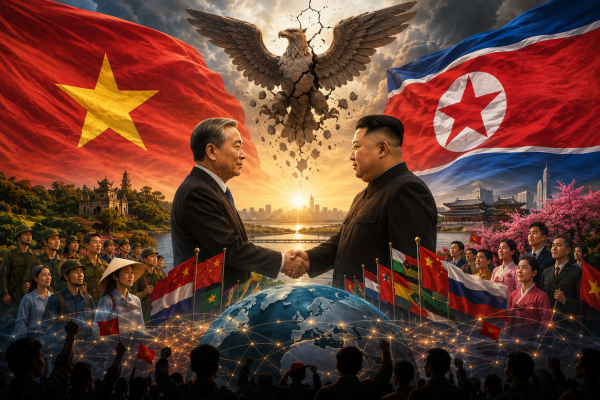
In May 2026, Vietnam's Foreign Minister met with North Korean officials, a significant yet underreported event that challenges the Western narrative of the DPRK as isolated and irrational. This meeting signifies the resurgence of socialist internationalism and the resilience of anti-imperialist relations against a U.S.-dominated order. Vietnam asserts its independence by maintaining ties with a historically aligned state despite pressures to conform to U.S. interests, illustrating a defiance of binary political expectations dictated by Western powers. As these two nations deepen cooperation, they expose cracks in imperial control, revealing that sovereignty endures in the face of sanctions and coercion.

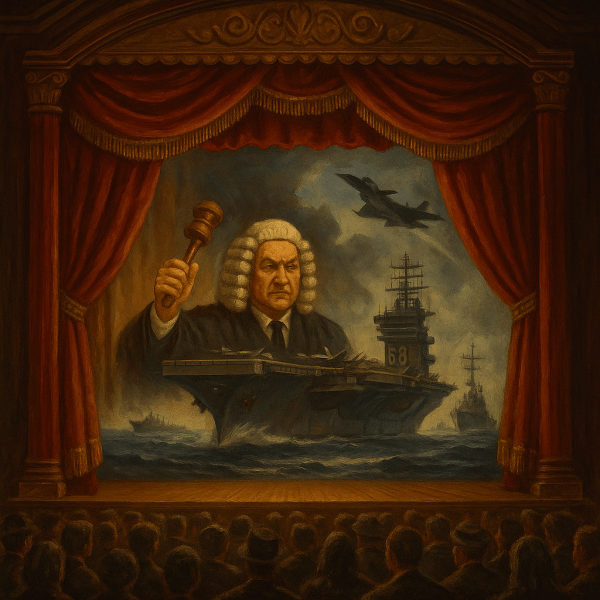
The Theater of Legal Illusions: U.S. Freedom of Navigation as Empire’s Last Act

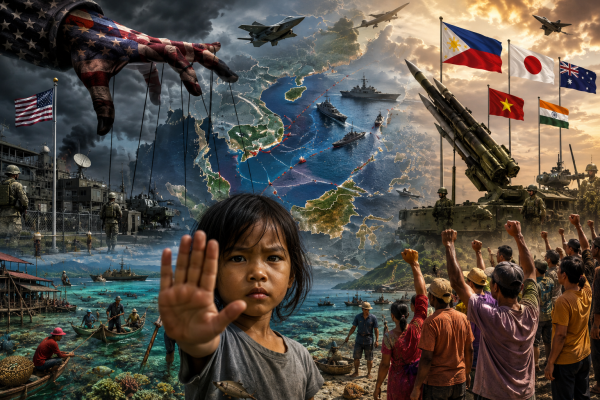
The headlines paint China as the aggressor, but the real performance is Washington disguising coercion as law. The facts expose a history of colonial cartography, militarized bases, and trade arteries patrolled by empire. Reframed through the eyes of the global proletariat, “freedom of navigation” is revealed as freedom of coercion. From fisherfolk flotillas to multipolar... Continue Reading →

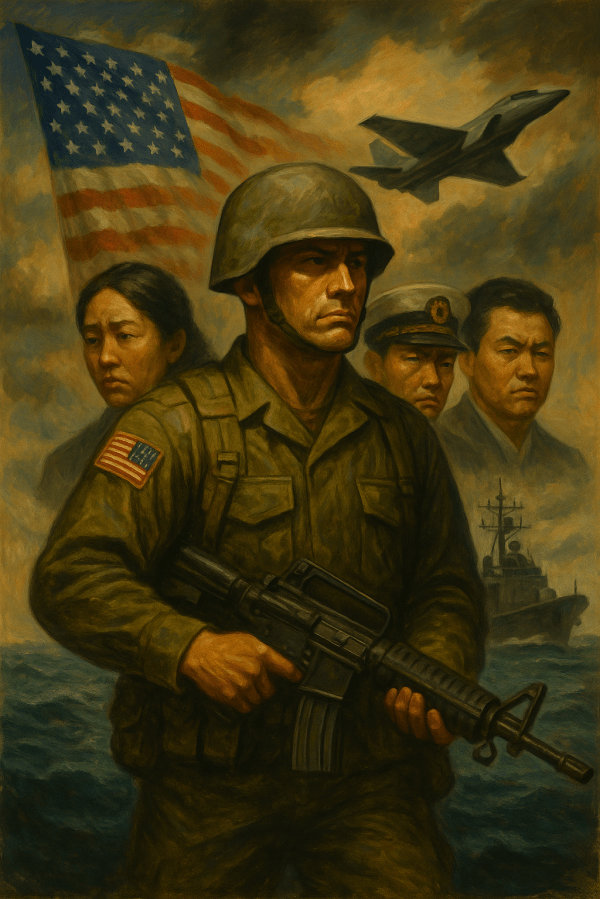
The Occupier’s Script: U.S. Military Empire, Asian Compradors, and the Battle for East Asia’s Future

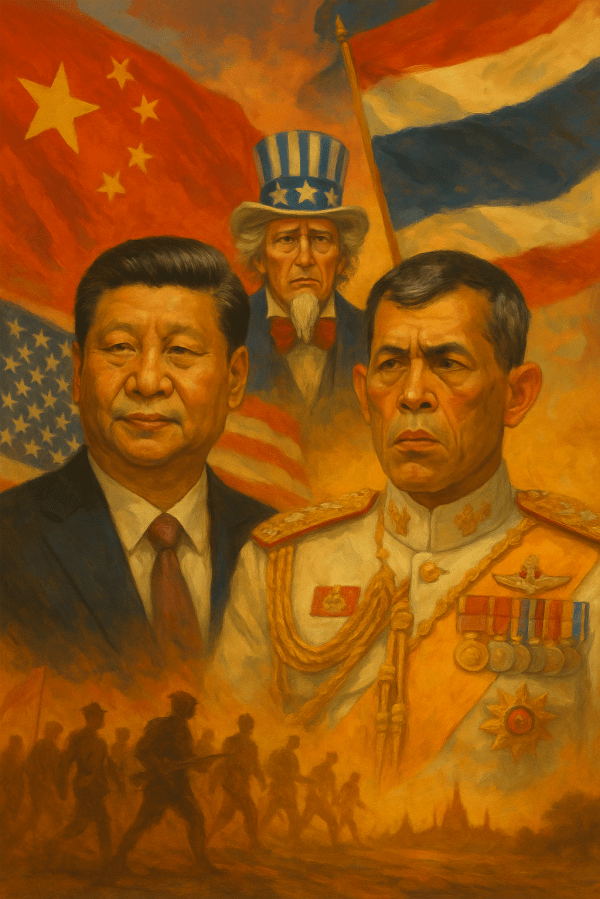
The Atlantic Council, Asia Times, and U.S.-funded scholars like Hanjin Lew are scripting a future where peace is only possible under American military occupation. This essay dismantles the psychological operation that frames Asian sovereignty as instability and imperial presence as protection. It excavates the buried histories of U.S. war crimes, suppressed diplomacy, and regional movements... Continue Reading →

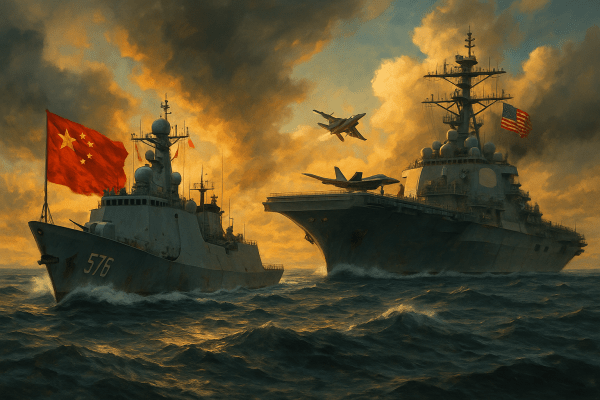
China and the U.S.: Naval Power, Propaganda, and the Battle for Maritime Sovereignty

U.S. media mocks China’s naval rise to soothe imperial ego. The facts reveal a strategic shift in global sea power. China’s modernization signals multipolar recalibration, not mimicry. Our struggle is to disrupt empire’s maritime infrastructure from within.By Prince Kapone | Weaponized Information | July 14, 2025 Disciplining the Horizon: How Empire Manufactures Maritime Panic On... Continue Reading →

Website Powered by WordPress.com.

Up ↑