The Flag Is Sovereign, the Account Isn’t: UNGA 81 and the Power Beneath the Podium
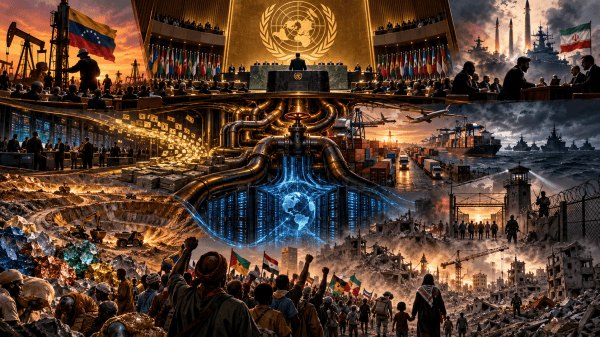
UNGA 81 looked like a week of separate crises: Palestine, Iran, Venezuela, artificial intelligence and China. Beneath the speeches, however, each exposed the same unfinished contradiction between formal sovereignty and the unequal material power needed to make sovereignty real. Gaza’s reconstruction, Venezuela’s oil revenues, Iran’s negotiations under coercion, and the Global South’s struggle for technological capacity all reveal how finance, property, military force and infrastructure shape what legal equality can actually deliver. The summit’s real story wasn’t only what leaders said from the podium, but who still controls the machinery that gives those words weight.

The Bill for Command: Hormuz, Treasury Yields, and the Rising Cost of American Power

NBC presents falling stocks, rising Treasury yields and volatile oil as separate market reactions to war. Put the pieces back together and a deeper political economy appears. The struggle over Hormuz is raising the cost of energy and global circulation while Washington is already refinancing enormous debts under sharply higher real yields. Those pressures don’t fall evenly: workers, indebted households and vulnerable importing countries absorb higher costs while energy producers and concentrated technology capital occupy very different positions. What looks like market turbulence is really a struggle over the rising material and financial cost of American command—and who gets forced to pay the bill.

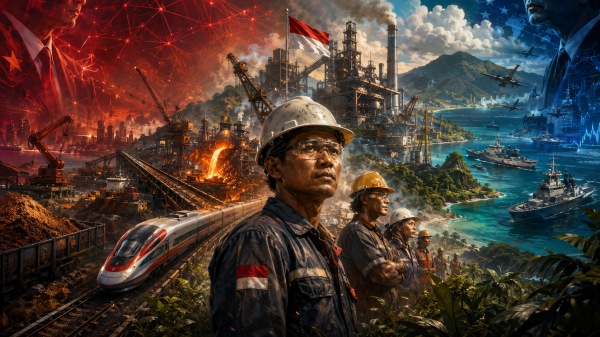
Sovereignty Built on Foreign Steel: Indonesia’s Industrial Rise and the Fight Over Who Commands It

Indonesia is ensnared in a web of foreign capital and corporate power, straddling the interests of Beijing and Washington while striving for autonomy. Its dependency on Chinese investment for industrial growth is creating complex struggles over resource control and worker rights. While the state seeks to regulate foreign involvement in its burgeoning industries, genuine sovereignty hinges on who truly reaps the benefits. Rhetoric about maintaining balance belies a troubling reality: as the nation builds industrial capacity, the power dynamics increasingly favor foreign interests, leaving local workers and communities grappling for their rightful share in this economic transformation.

Website Powered by WordPress.com.

Up ↑