The Gulf monarchies, once loyal to Washington's military dominance, are now scrambling for survival in a world where Iranian aggression opposes their established security framework. The ongoing war has exposed a perilous contradiction: the very American military infrastructure meant to protect the Gulf states has rendered them vulnerable to Iranian strikes. As the U.S. becomes a less reliable ally, these nations are cautiously seeking dialogue with Tehran, marking a seismic shift in regional politics. Their actions aren't a break from American influence but a pragmatic response to an urgent need for stability amidst rising tensions. The question remains—can they navigate this treacherous terrain without abandoning old alliances?
Tomorrow’s Russian Tank: How a Hypothetical War Rearms Europe Today
CNN warns that Russia could someday “test” NATO, but the military transformation supposedly justified by that future threat is already underway. Europe is being rearmed, civilian infrastructure reorganized for military mobility, and productive capacity redirected toward an expanding war economy as U.S. weapons stocks strain under commitments spanning Ukraine, Iran, Russia, and China. The deeper story is not a proven Russian timetable for invasion, but an American-centered imperial bloc confronting the rising cost of reproducing its military reach and hardening Europe as a Western Rear. What Russia could do tomorrow becomes the argument for what Europe must militarize today.
An Act of State: Martin Luther King Jr., Political Assassination, and the Crime of Empire
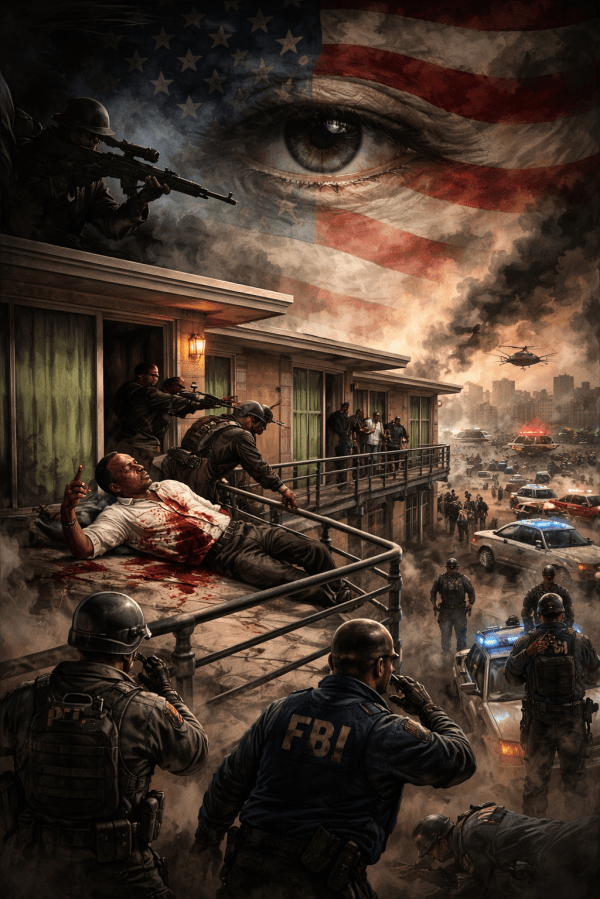
William F. Pepper’s An Act of State dismantles the myth of a tragic killing and exposes the assassination of Martin Luther King Jr. as a deliberate act of governance—carried out to halt a revolutionary convergence of anti-imperialism, class struggle, and mass organization inside the United States. This MLK Day intervention refuses memorialization and restores King... Continue Reading →