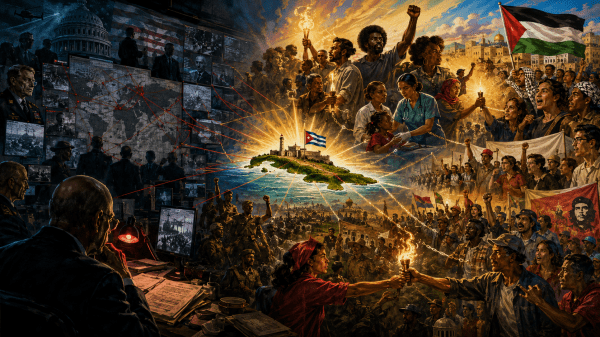
The State Department's report conflates documented espionage with a sweeping indictment of social movements, branding students, revolutionaries, and dissenters as part of a conspiracy orchestrated from Cuba. This narrative denies local struggles against oppression, instead framing resistance as a foreign-directed plot, thus erasing historical context and the material origins of dissent. The document's loose connection between Cuba's influence and contemporary activism serves as a McCarthyite tool against American dissent. By equating genuine political engagement with espionage, it aims to squash revolutionary consciousness and reinforce the status quo, revealing the empire's fear that the oppressed might unite and resist independently.
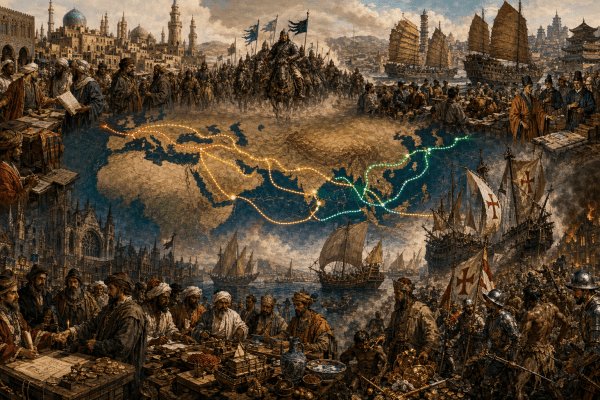
The World System Before European Hegemony: How the West Hijacked a System It Did Not Build
Janet Abu-Lughod's "Before European Hegemony" ruthlessly dismantles the myth that Europe rose to global prominence due to inherent superiority or brilliance. Instead, it reveals a pre-existing world economy crafted by diverse, thriving civilizations from which Europe, late to the game, benefited through exploitation and rupture. By tracing this narrative, Abu-Lughod forces us to confront uncomfortable truths: Europe did not create history; it emerged through the erosion of powerful systems created by others. History wasn’t predestined; it was violently reshaped.
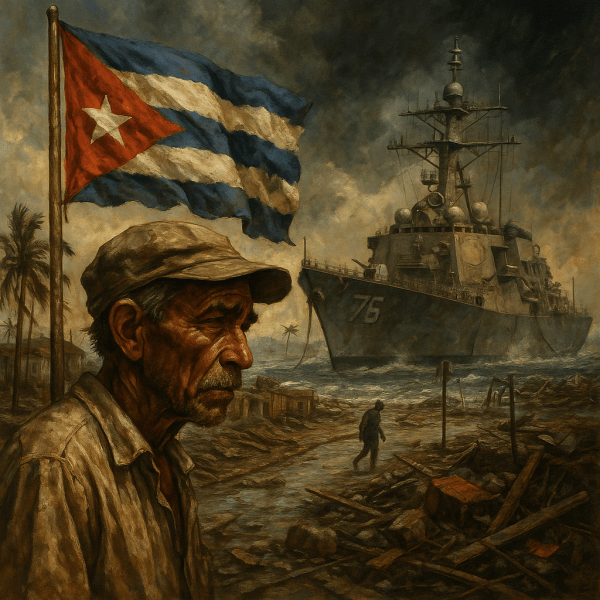
The World Condemns the Blockade: The United States Stands Alone
Nearly every nation on Earth votes to end the economic siege of Cuba — and Washington answers with silence, ships, and sanctions.By Prince Kapone | Weaponized Information | October 31, 2025How the Story Is Arranged Before We Even BeginThe Associated Press article opens by treating the U.S. embargo on Cuba as if it were a... Continue Reading →