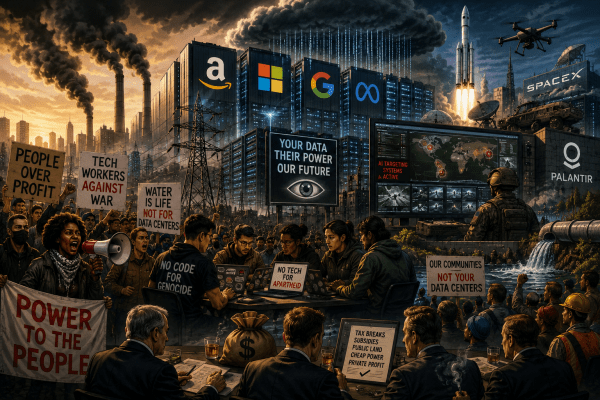
The Financial Times might report a stock market tremor as a mere sell-off, but beneath this facade lies a damning truth: Big Tech’s AI boom and SpaceX’s bubble float atop public resources, military contracts, and labor exploitation. This crisis isn't just an investor's blip; it reveals the rot of monopoly capitalism, where clouds obscure heavy debts to the state and imperialism. As SpaceX’s stocks drop, they signify a broader collapse of illusion, exposing the grim reality of military dependency and energy consumption. The future shouldn’t be left to financiers, but redirected to the people, demanding public ownership and accountability in the face of an engineered technological dystopia.
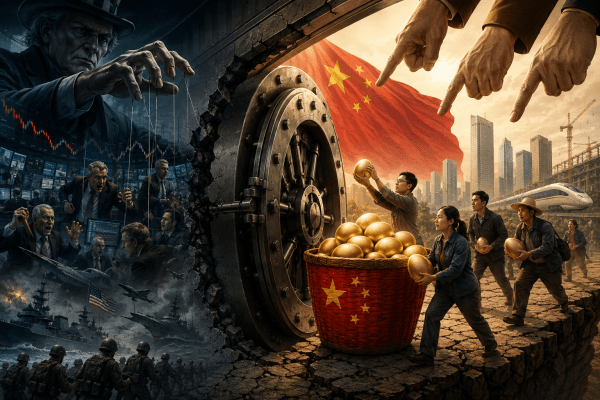
China Locked the Vault: Wall Street Weeps for the Investor It Wanted to Recruit
The New York Times portrays China's financial regulations as a morality tale of oppressed investors yearning for capital freedom, framing Beijing's restrictions on overseas investments as authoritarian repression. However, this narrative conveniently ignores China's struggle against capital flight amidst geopolitical tensions with the U.S. The real story is about defending national wealth from draining into imperial circuits while promoting domestic stability and development. This distortion of capital mobility as individual freedom obscures the broader implications of wealth dispersing into an adversarial financial system. The moral panic surrounding investor frustrations reveals a deeper conflict: the sovereignty of a nation versus the whims of financial capital.
Bull Market, Broke People: The Stock Market’s Good News Is the Working Class’s Bad Joke
As markets soar, the majority of households are trapped in economic despair, cutting back on spending as essential prices rise and wages stagnate. The AP's analysis of "consumer confidence" reveals a grotesque class divide—where the wealthy thrive and the working class suffers under burdens of debt and inflation. This narrative cleverly masks the structural inequalities, framing economic distress as mere sentiment rather than a blatant symptom of a system rigged in favor of capital. The urgent call to action is clear: workers must unify and transform their economic plight into organized class power, recognizing that genuine change requires confrontational strategies, not empty optimism.