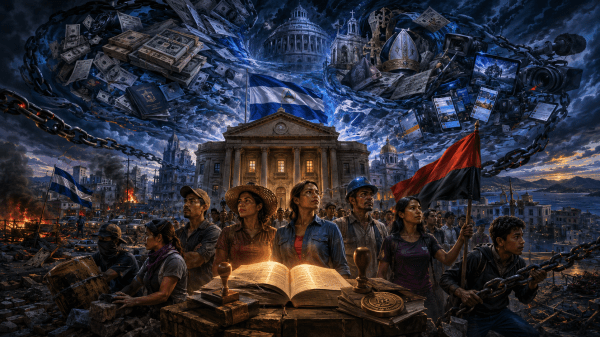
The Guardian’s Missing Clause: How Imperial Elections Became “Democracy” in Nicaragua
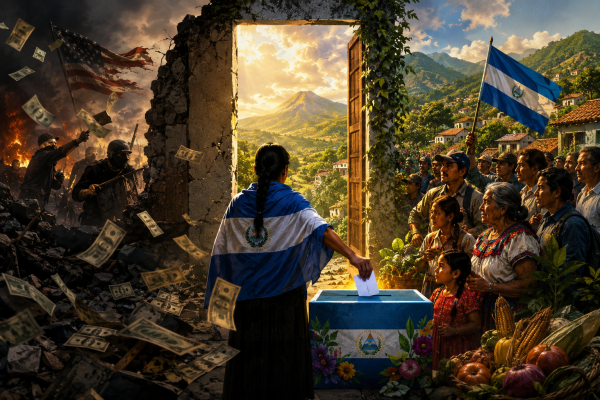
Daniel Ortega’s recent announcement that Nicaragua will cease future elections is portrayed by The Guardian as a blatant rejection of democracy, conveniently ignoring the historical context of imperial influences shaping Nicaraguan electoral politics. The claim that opposition parties are the embodiment of democracy is a façade; previous elections were tainted by U.S. interference, corporate financing, and foreign-imposed sanctions. Ortega's call to defend the Sandinista Revolution against imperial restoration isn’t about tyranny; it’s about reclaiming sovereignty from an electoral process manipulated by outside forces. Instead of clinging to an imperial framework, this moment presents an opportunity for Nicaragua to build a democracy rooted in popular power and authentic participation.

The Lawyers of the Counterrevolution: How Nicaragua Is Dismantling the Infrastructure of Imperial Power

The Associated Press presents Nicaragua’s removal of lawyers from the professional registry as another unexplained authoritarian crackdown. This essay reconstructs the deeper reality: a post-2018 Sandinista counter-subversion campaign aimed at the foreign-funded NGO, media, ecclesiastical, expatriate, financial, and legal networks the government believes helped organize the attempted coup. Lawyers and notaries matter because they give those networks legal continuity through contracts, properties, associations, donations, and powers of attorney. Nicaragua has the right to dismantle imperial infrastructure, but revolutionary sovereignty must still distinguish proven subversion from ordinary legal practice through transparent evidence and popular accountability.

Website Powered by WordPress.com.

Up ↑