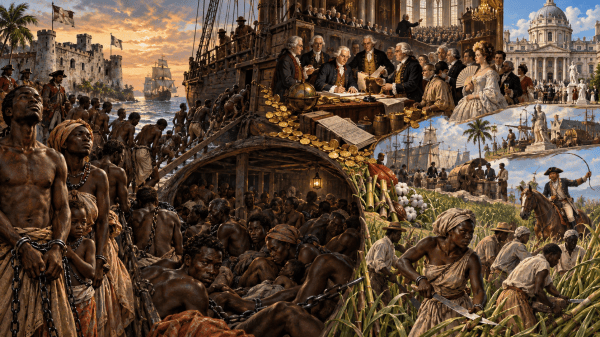
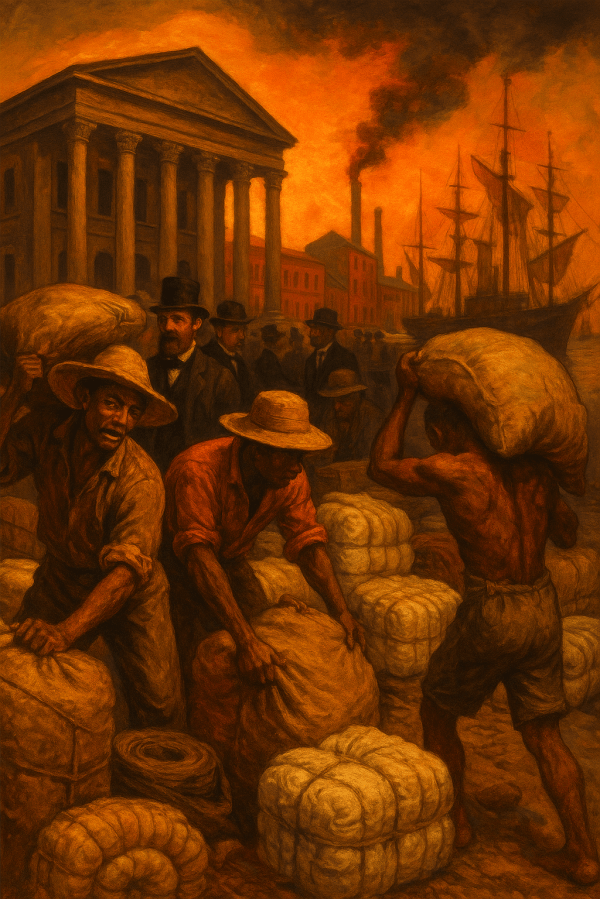
Britain’s slave trade wasn’t a barbaric side story to the rise of modern freedom. It was woven into the property system through which merchants, investors and institutions accumulated wealth while African captives were turned into human commodities. Parliament widened access to the trade, slave-linked fortunes entered industry, science and philanthropy, and abolition later compensated former owners while forcing the formerly enslaved through apprenticeship. The deeper contradiction wasn’t simply freedom versus slavery, but a society where the freedom of property holders could expand through the unfreedom of the owned. Today, reparations movements are reopening that buried ledger.
Convenience Inherited an Empire: Africa Puts the World Map on Trial
Mercator’s projection began as a useful tool for sailors, not a colonial conspiracy. But publishers, schools, governments, and later digital platforms carried its distorted view of continental scale far beyond navigation, turning a technical choice into inherited common sense. This essay traces how colonial cartography made geographic knowledge part of territorial command, how Web Mercator gave the old projection a new technological life, and how African political organization transformed the issue into a struggle over narrative sovereignty. The UN vote to “correct the map” matters—but a fairer image of Africa is only one front in the larger fight over who gets to define, produce, and control global knowledge.
Erase the Crime, Evade the Debt: Black History Under Siege as Reparations Rise
From Reuters’ managed neutrality to Washington’s cultural rollback and Ghana’s UN challenge, the struggle over memory reveals a deeper battle between imperial erasure and a growing global demand for reparatory justice. By Prince Kapone | Weaponized Information | March 27, 2026 The Cropped Memory of Empire “Ghana's president, in New York, says US is ‘normalizing’... Continue Reading →
AP Reports the Crime, Not the Consequence: How Empire Acknowledges Slavery While Defending Its Spoils
The Associated Press presents the UN resolution as a moment of moral recognition, but its reliance on official voices and diplomatic language reveals how power narrates history without disturbing itself. The material record shows that slavery’s wealth still structures the present, and that organized reparations movements—from Africa to the Caribbean to grassroots struggles—are confronting that... Continue Reading →
From “Much Abuse” to World Domination: How the Los Angeles Times Manages the Memory of Conquest
This Weaponized Propaganda Excavation shows how the Los Angeles Times reduces colonial conquest to the language of diplomatic regret and historical moderation. It reconstructs the underlying reality of that conquest as a system of mass death, forced labor, and global resource extraction. It reframes this process as the foundation of the modern capitalist world economy... Continue Reading →
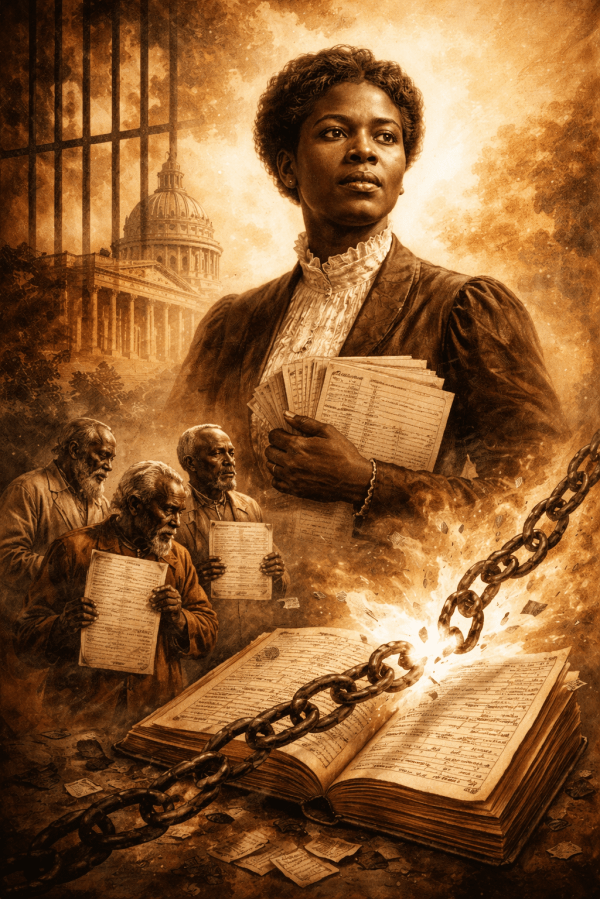
Callie House and the First Mass Reparations Movement in U.S. History
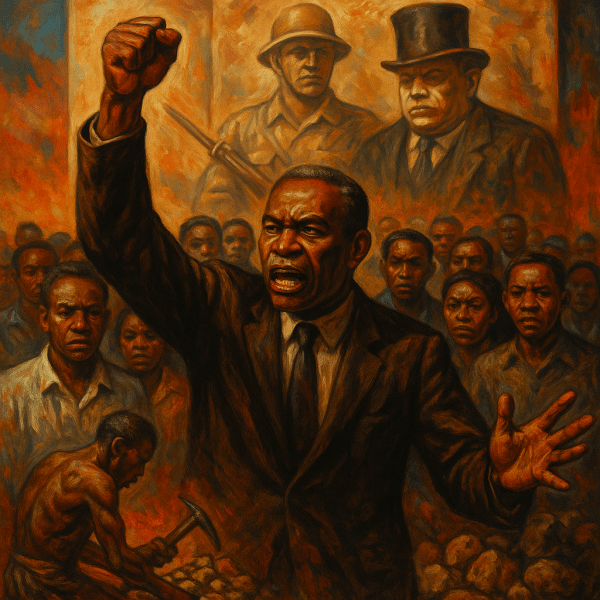
A formerly enslaved woman who helped turn memory of bondage into a national economic claim. Her movement proved reparations was a working-class demand for stolen labor, not a plea for charity. The federal government criminalized her because compensation threatened the racial economic order. Her legacy links Black liberation to the broader struggle over wealth, power,... Continue Reading →
Reparations, Resistance, and the Ledger of Empire: Excavating the Guardian’s Colonial Amnesia
A Weaponized Propaganda Excavation of How Corporate Media Sanitizes Colonial Crimes, Buries Trillions in Stolen Wealth, and Obscures Africa’s Renewed Fight for Justice and Sovereignty By Prince Kapone | Weaponized Information | December 1, 2025 How the Guardian Turns Colonial Crimes into a “Debate” About Recognition The piece we’re excavating, “African leaders push for recognition... Continue Reading →
Reparations Is Revolution: Omali Yeshitela’s Demolition of Western Marxism
Yeshitela’s Stolen Black Labor demolishes the myths of Western Marxism, proving that Black liberation is not a subset of class struggle—it is its center. By Prince Kapone | Weaponized Information August 24, 2025 The Colonial Contradiction Is the Class Contradiction This is not a book review. This is a political confrontation. Omali Yeshitela’s Stolen Black... Continue Reading →
Markets of Empire: Manchester, Colonial Plunder, and the Arithmetic of Global Capitalism
From the cotton of Bengal to the sugar of Jamaica, the wealth of the City was not born of free exchange—but of forced extraction.By Prince Kapone | Weaponized InformationJuly 24, 2025The Architecture of CatharsisOn July 22, 2025, The Guardian published an article by Chris Osuh titled “Manchester’s Royal Exchange rooted in slavery and colonialism, research... Continue Reading →
No Socialism on Stolen Land: Why Land Back and Reparations Are Revolutionary Prerequisites
You can’t build a workers’ republic on a settler colony. By Prince Kapone | Weaponized Information | June 1, 2025 Revolution Without Reckoning? You hear it all the time—usually from someone quoting Marx on wages or waving a red flag at a march: “We need to focus on the working class.” But ask them what... Continue Reading →