The World Was Not Discovered: Genocide, Slavery, and the Birth of Capitalist Empire
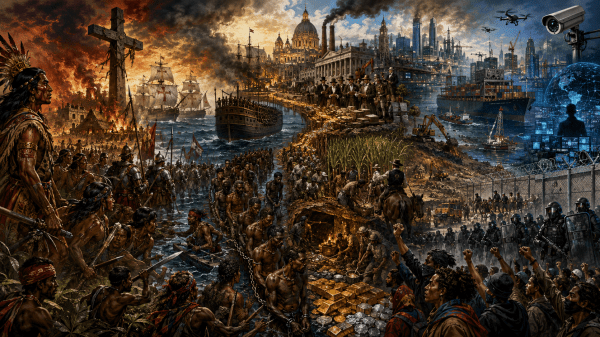
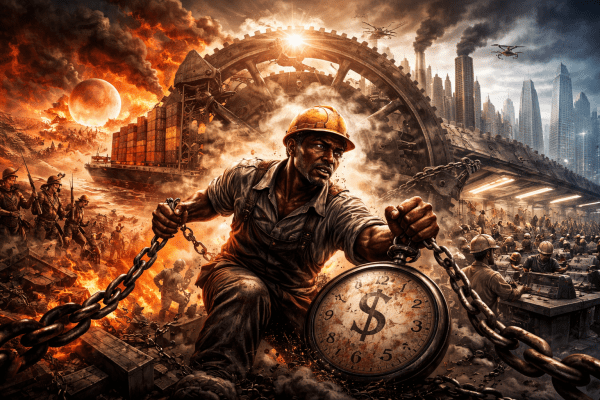
History is often told from the perspective of conquerors, romanticizing imperialism as a noble endeavor of “discovery.” However, this narrative ignores the vibrant, complex societies that existed long before European arrival; civilizations rich in culture and knowledge prepared to resist. The so-called “Age of Discovery” merely facilitated violent conquest, genocide, and exploitation. Colonialism and capitalism are intertwined, with wealth extracted through enslavement and land theft, while underdevelopment in colonized regions resulted from this systematic violence. Today, the consequences of colonialism persist, as neo-colonial strategies manipulate economies and suppress sovereignty. To reclaim the future, societies must confront this history, recognize the pain of oppression, and organize for a just world, free from the chains of empire.

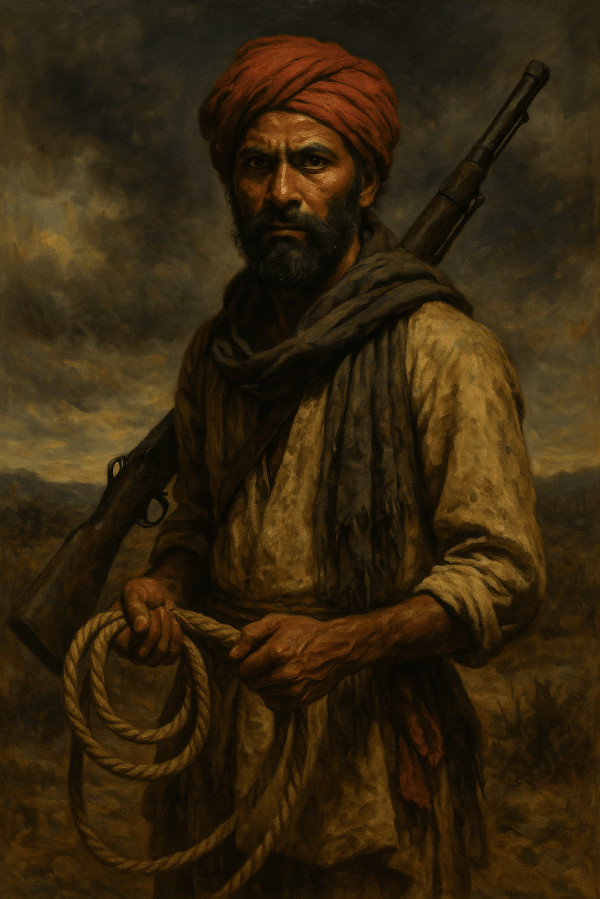
From the Amerikan Dream to the Amerikan Nightmare: Malcolm X, Revolution and the New Human Being

Malcolm X reshaped my understanding of America’s racial dynamics, revealing it not as a flawed democracy but as a colonial project steeped in oppression. His teachings led me beyond the shallow understanding of leftist politics to a deeper comprehension of the intertwined struggles against imperialism and capitalism. Each encounter with his work pushed me toward recognizing humanity in the oppressed and the global context of their struggles. Through Malcolm, I learned that true liberation requires a conscious break from inherited identities tied to empire. His evolution mirrors a broader human struggle, challenging us to embrace revolutionary love as an act of transformation, not mere rhetoric.

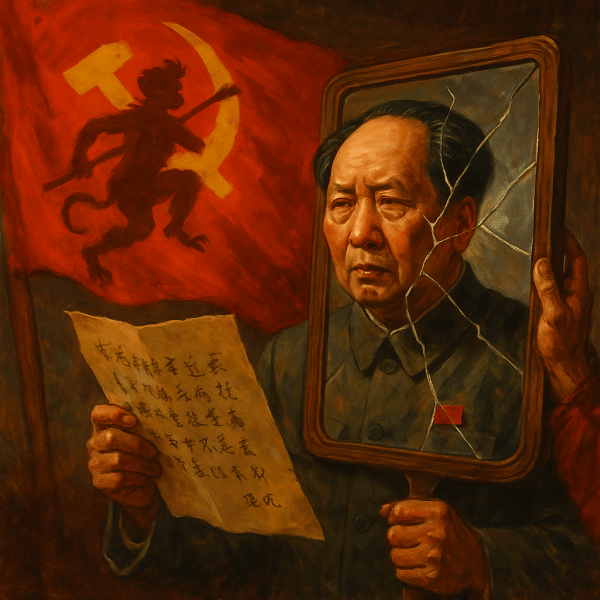
Marx’s Grundrisse: Capital’s Global Empire, Labor’s Stolen Time, and the Crisis It Cannot Escape

Marx dismantles liberal political economy and rebuilds the totality from production outward. Exchange and money reveal separation as the architecture of domination. Machinery and the general intellect expose capital’s war against its own measure of value. The world market universalizes crisis while pointing beyond labor time toward free development. By Prince Kapone | Weaponized Information... Continue Reading →

Author, Authority, and Empire: How “Authoritarian” Became Political Science’s Favorite Weapon Against Mass Power

This essay is part of Weaponized Information’s larger project to forge a new discipline of political science—one that treats politics as the scientific study of power: how it is accumulated, organized, enforced, and resisted. In “Towards a New Political Science: Politics as the Science of Power”, we broke with procedural political science and its canon... Continue Reading →

Towards a New Political Science: Politics as the Science of Power

A rupture with procedural political science and canonical abstraction, this essay reconstructs politics as the scientific study of power—how it is accumulated, organized, enforced, and resisted—drawing on revolutionary praxis, settler colonial history, and imperial crisis to redefine what political theory is, who produces it, and what it is for. By Prince Kapone | Weaponized Information... Continue Reading →

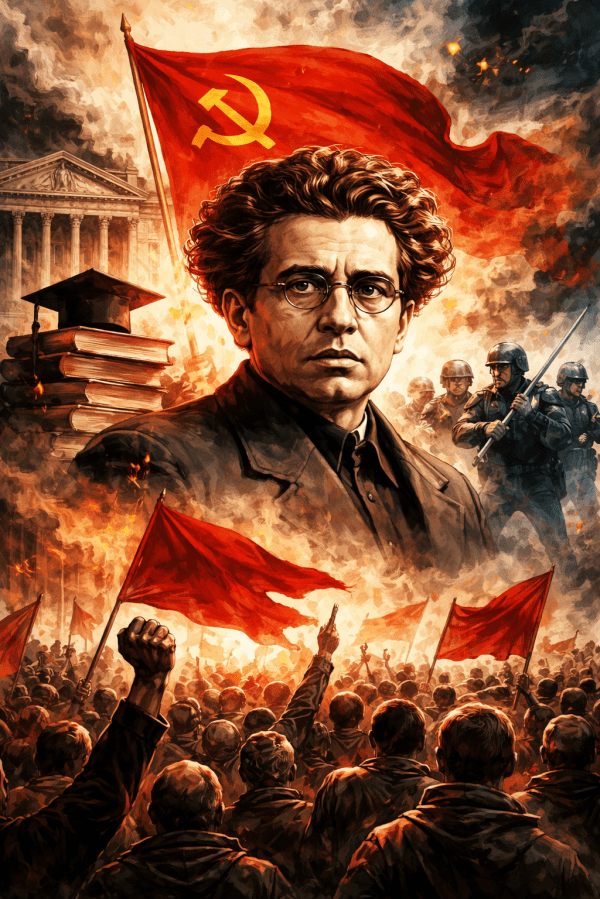
Gramsci Disarmed: How Empire Turned a Communist Strategist into a Cultural Mascot

A polemical reconstruction of Antonio Gramsci as a Leninist revolutionary whose theory of hegemony was forged to solve the problem of power under advanced capitalism—and how imperial academia captured, fragmented, and neutralized that theory to manage dissent rather than overthrow domination.By Prince Kapone | Weaponized Information | December 22, 2025Gramsci in the Imperial Seminar RoomIn... Continue Reading →

Website Powered by WordPress.com.

Up ↑