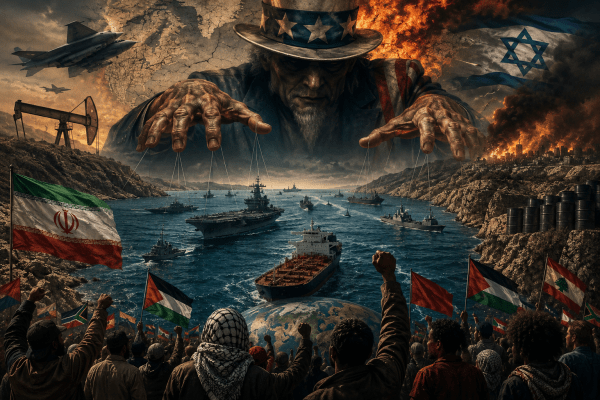
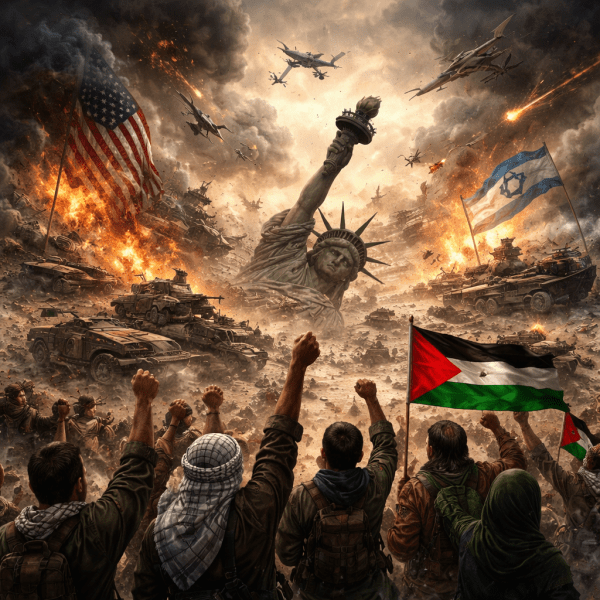
The Tollbooth at the Edge of Empire: Washington Sets Fire to Hormuz and Charges the World for Water

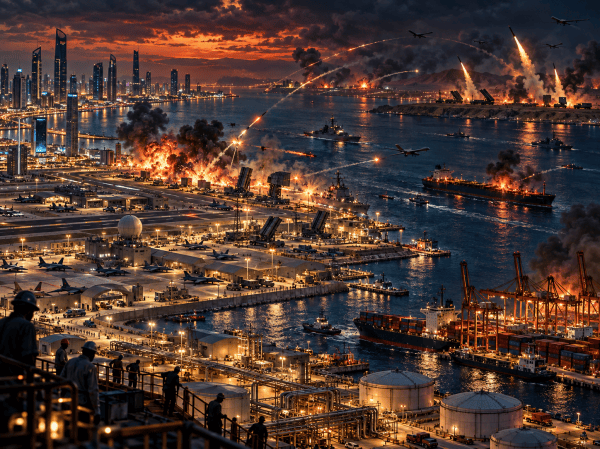
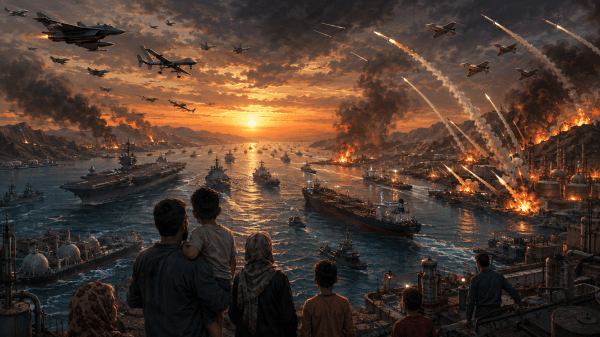
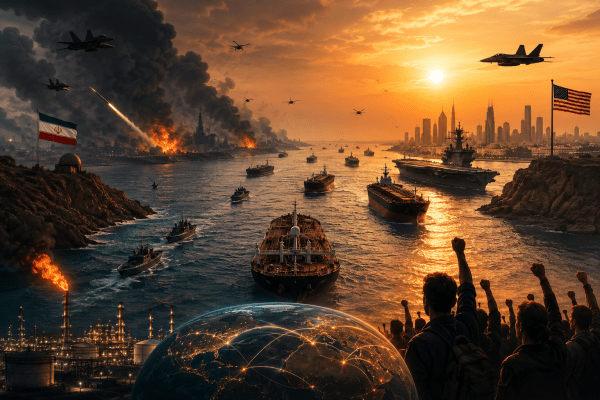
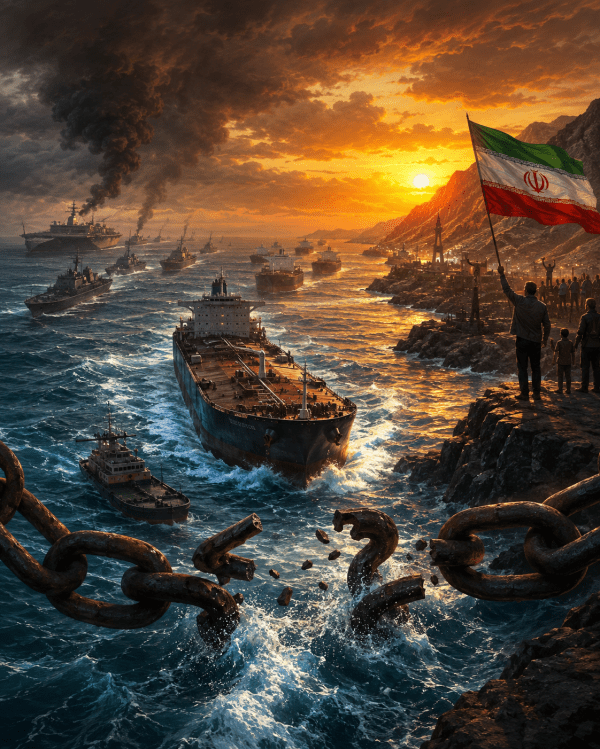
The Trump administration claims it is defending freedom of navigation in the Strait of Hormuz, yet its latest policy reveals something very different: a naval blockade of Iran, a bid to control one of the world's most strategic waterways and a proposed 20 percent charge on global commerce passing through it. Excavating the BBC's coverage, this essay reconstructs the chronology buried beneath the headlines, exposing how a war launched by the United States and Israel has been repackaged as a story of Iranian aggression. Behind the rhetoric of maritime security lies a deeper struggle over sovereignty, imperial power and who has the right to govern the world's vital arteries of trade.

The Empire Signed Iran’s Terms: How Trump Rebranded Defeat as Victory

The Politico narrative transforms Trump's announcement of a U.S.-Iran peace deal into a self-aggrandizing spectacle, obscuring Iran's pivotal role and demands within a fourteen-point memorandum that Washington reluctantly conceded. This agreement signifies a profound U.S. failure to achieve its war aims, as it articulates a retreat framed as victory. The piece highlights how America’s empire is still threatening, renegotiating the terms, and imposing conditions, while Iran emerges fortified. Workers and activists must mobilize to hold Washington accountable, ensuring this retreat doesn't morph into renewed aggression. The reality is stark: the U.S. sought to dominate Iran but ended up conceding to its terms.

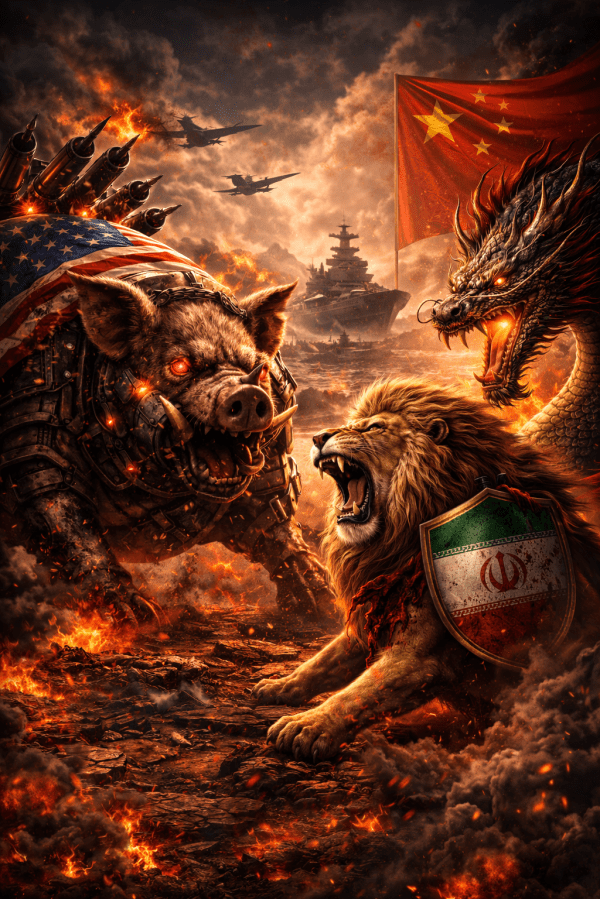
Great Satan at the Strait: Iran, International Law, and the Collapse of the “Rules-Based Order”

In a tale of diplomacy that sounds more like a sitcom plot, the Associated Press managed to frame U.S.-Israeli power plays as polite conversation while depicting Iran’s resistance as a chaotic tantrum. Imagine a landlord demanding rent while simultaneously hammering a "peace" sign into the wall—classic! The article promotes a narrative where blocking a nation is just “maritime security,” leaving readers to wonder if the actual level of aggression got lost in translation. Amid drones and oil price panic, the main issue lurking around like an unwelcome relative is whether nations can truly be sovereign or if they must politely obey the empire’s whims. It's a comedy of imperial contradictions, where legality bends more than a yoga instructor under pressure!

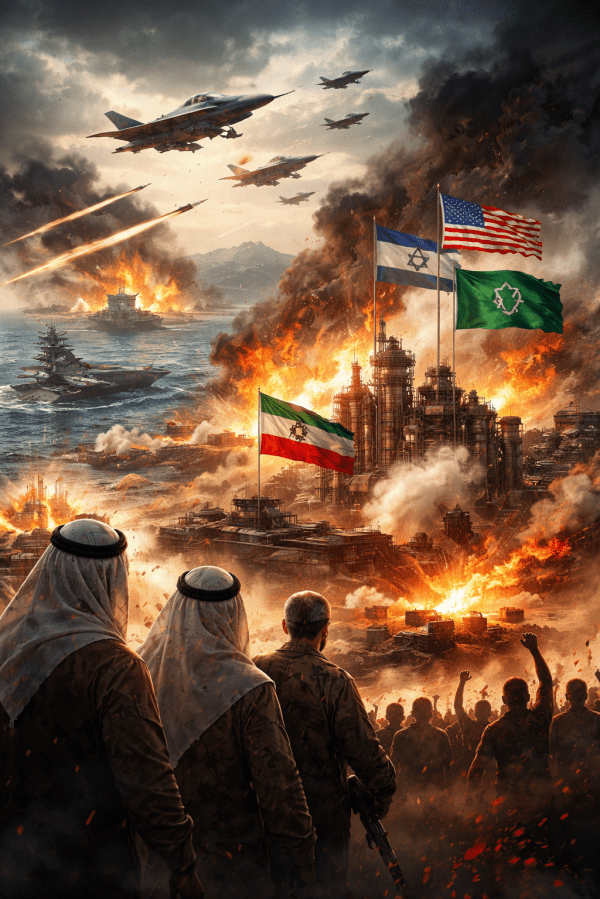
Tripwires of Empire: The Gulf Monarchies, the U.S.-Israel War on Iran, and the Crisis of Imperial Security

This essay begins by excavating how The Guardian recasts a U.S.-Israeli war and its aftermath into a fear narrative centered on Iran while muting the imperial structure behind the violence. It then reconstructs the real terrain: Gulf militarization, sanctions on Iran, strategic chokepoints, regional recalibration, and the diplomatic and economic relations the article leaves in... Continue Reading →

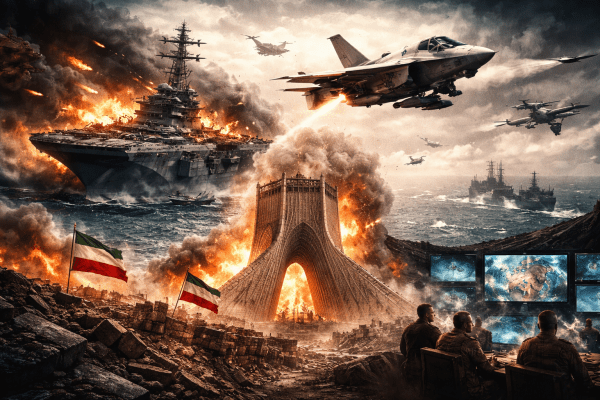
Axis of Empire: The Coup, the Shah, and the War Against Iranian Sovereignty

Afshin Matin-Asgari’s history exposes how U.S.–Iran relations were forged not through partnership but through intervention, oil politics, and the overthrow of democratic sovereignty. This review excavates the buried architecture of empire behind the 1953 CIA coup and the construction of the Shah’s authoritarian client state. It follows how the Iranian Revolution shattered that imperial arrangement... Continue Reading →

Website Powered by WordPress.com.

Up ↑