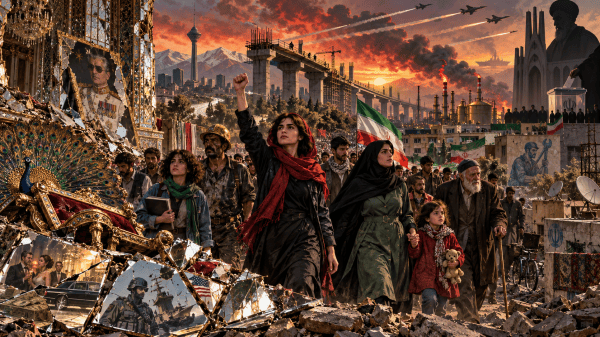
Robin Wright's "The Last Great Revolution" illustrates the paradox of the Iranian Revolution—a genuine transformation that sought to establish a sovereign state but left popular sovereignty incomplete. Wright captures Iran's tumultuous journey, showcasing revolutionary shifts in women’s rights, education, and national identity, yet she falls into the trap of imposing a Western liberal trajectory. The revolution is portrayed as a struggle—between religious and revolutionary authority—that still battles for legitimacy. Ultimately, rather than documenting a forgotten pathway to liberalism, Wright unveils a resilient revolutionary spirit combating imperial influences. This is not the story of a revolution retreating into the shadows, but one that persistently asserts its existence against predetermined narratives.
Iran Took Back Its History: The Revolution That Never Finished the Fight for Power