Afshin Matin-Asgari’s history exposes how U.S.–Iran relations were forged not through partnership but through intervention, oil politics, and the overthrow of democratic sovereignty. This review excavates the buried architecture of empire behind the 1953 CIA coup and the construction of the Shah’s authoritarian client state. It follows how the Iranian Revolution shattered that imperial arrangement... Continue Reading →
Empire’s Last Illusion: When the Colonizers Can No Longer Colonize
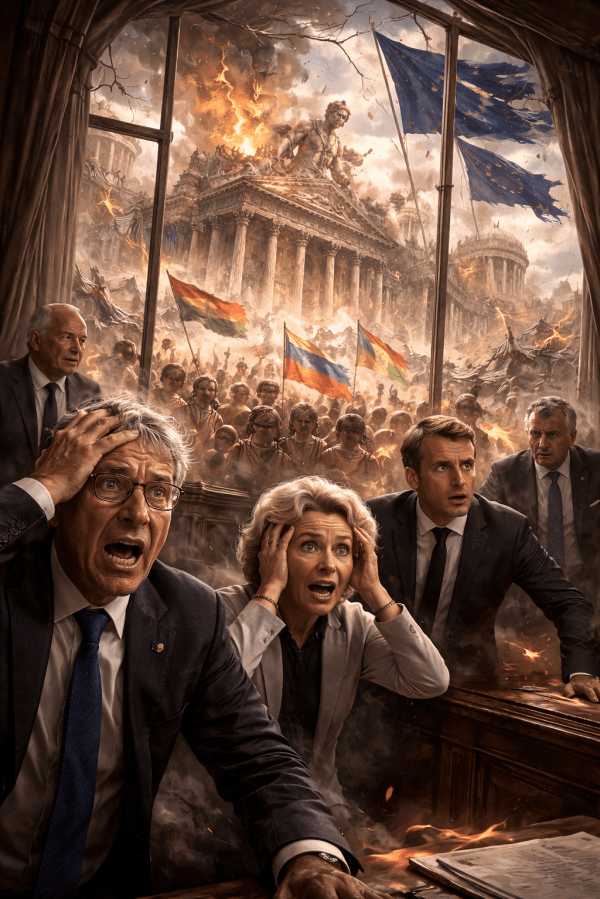
The language of “chaos” now coming from European leaders reveals something deeper than geopolitical instability. It reflects the growing panic of a ruling class confronting the limits of a world order built through colonial domination and sustained by imperial power.By Prince Kapone | Weaponized Information | March 11, 2026When Power Begins to Speak in the... Continue Reading →
The Architects of Empire: How the Anglo-American Establishment Built the Modern World Order
From Cecil Rhodes’ imperial secret society to the trilateral system that governs global capitalism today, the modern world order did not emerge by accident. It was constructed—patiently, institutionally, and across generations—by networks of bankers, strategists, policymakers, and imperial planners determined to organize power on a planetary scale. By Prince Kapone | Weaponized Information | Weaponized... Continue Reading →
The Guardian’s “Raw Deal” and Washington’s Fine Print: Zambia, Health Aid, and the Politics of Conditional Care
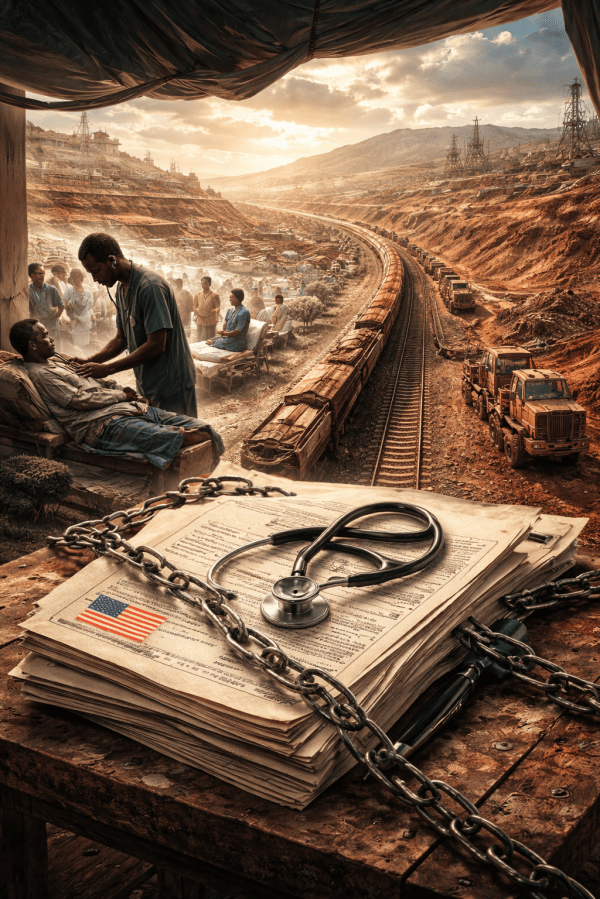
A liberal alarm rings in the pages of The Guardian, exposing troubling terms while leaving the aid architecture itself intact. The material terrain reveals how debt-shaped constraints narrow Zambia’s choices before any negotiation begins. The agreement fuses life-sustaining health systems with mineral governance and long-term informational commitments. Across the Global South, emerging refusals and alternative... Continue Reading →
The BBC, Zelensky and the Price of Primacy: When Hegemony Calls Itself Defense
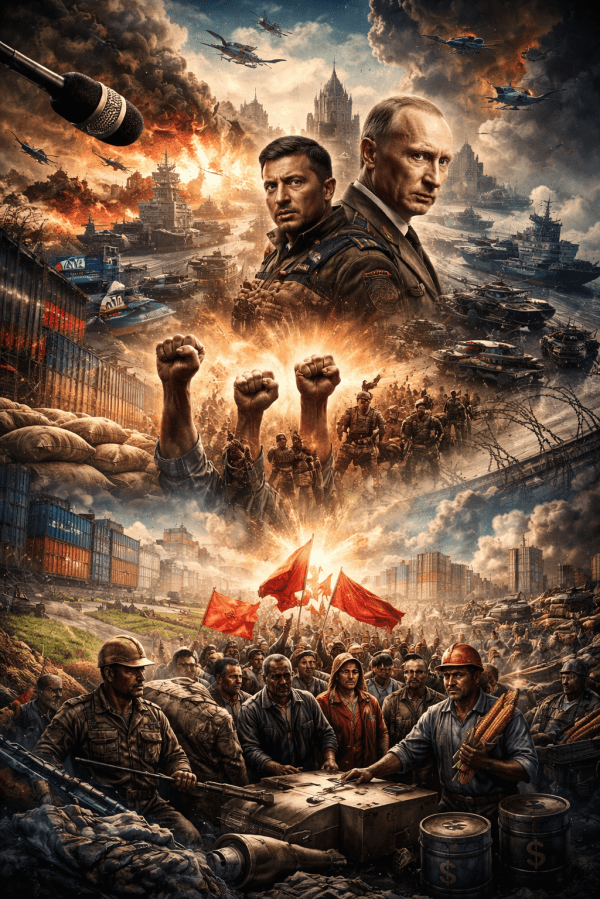
This essay excavates the BBC’s framing of the Ukraine war to reveal how catastrophe rhetoric and moral personalization manufacture consent. It reconstructs the documented record—NATO expansion, U.S. strategic doctrine, Minsk diplomacy, sanctions, and militarization—to widen the frame beyond headline urgency. It then situates the conflict within the deeper contradiction between imperial hegemony and national sovereignty,... Continue Reading →
Claudia Jones vs. Empire: Black Communism, White Supremacy, and the War on the Most Exploited
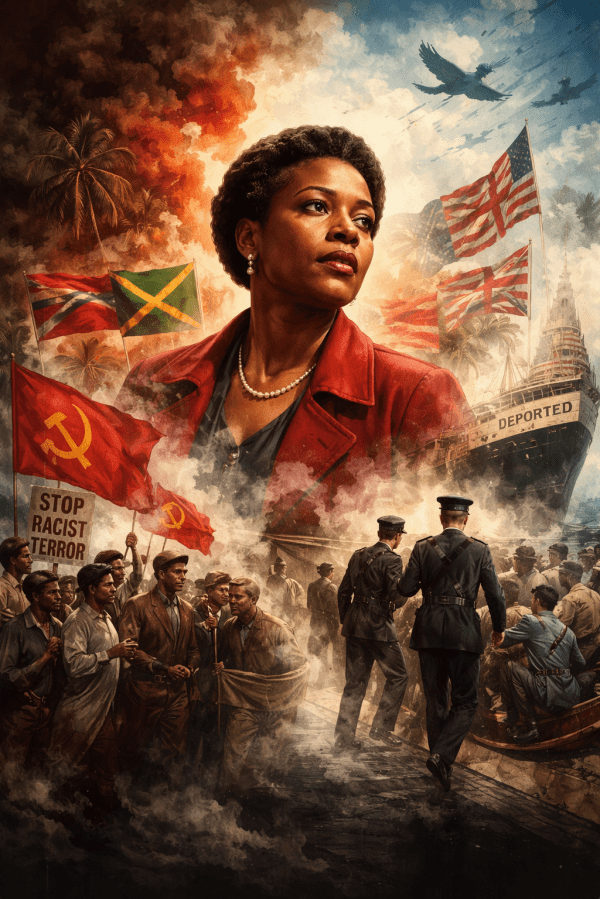
The daughter of Caribbean labor radicalism enters the furnace of U.S. racial capitalism. The Communist Party becomes a battlefield over race, class, and the super-exploitation of Black women. McCarthyism criminalizes Black internationalism and deports a revolutionary. Exile in Britain transforms repression into new insurgent possibility. By Prince Kapone | Weaponized Information | Black History Matters... Continue Reading →
“We Don’t Please East or West”: African Sovereignty Speaks While the Rules-Based Order Breaks
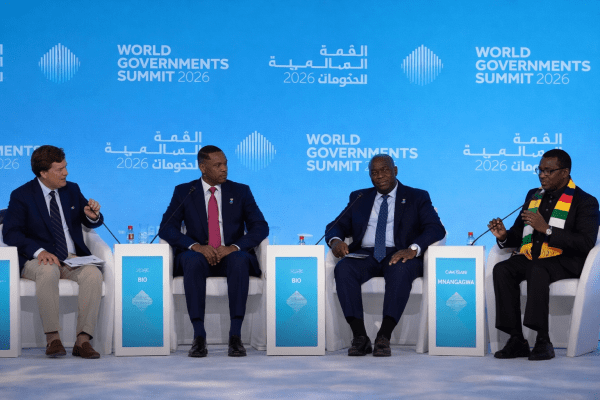
At a summit built to “shape future governments,” African heads of state confront old imperial binaries inside a new architecture of power. Tucker Carlson presses the familiar frames—China versus the West, democracy as sermon, race as property—while sanctions, AI infrastructure, and development finance reveal the harder machinery beneath the talk. Zimbabwe’s discipline, Sierra Leone’s education... Continue Reading →
W.E.B. Du Bois and the Long Arc of Radicalization
From Talented Tenth Idealism to Communist Internationalism, Du Bois’s Life Exposes the Color Line as a Global System, White Labor’s Imperial Bargain, Reconstruction as Crushed Revolution, and the Unfinished Struggle Against Colonial Capitalism.By Prince Kapone | Weaponized Information | Black History Matters Series | February 11, 2026I. A Child of Emancipation, Raised in the Shadow... Continue Reading →
Walter Rodney’s Guyanese Working People: How Colonial Capital Made the Class It Had to Control
Walter Rodney begins with a colonial society physically reproduced by working people yet organized to deny those same people control over the labor, land, and material conditions that kept it alive. Emancipation shattered slavery’s legal form without resolving capital’s labor problem, forcing the struggle onto new terrain as workers used land, villages, mobility, and subsistence... Continue Reading →
Bamako 2025: When the Sahel Put Sovereignty on Paper
The Second Session of the AES/CESS as a Turning Point in State Power, Regional Integration, and the Unfinished Question of Rupture By Prince Kapone | Weaponized Information | January 2, 2026 What Was Actually Decided in Bamako: Reading the Communiqué as a Political Act The second session of the College of Heads of State of... Continue Reading →