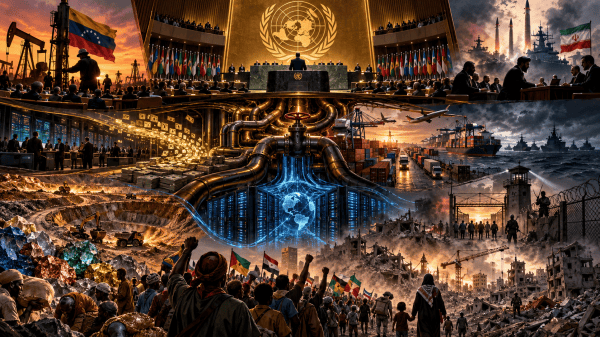
UNGA 81 looked like a week of separate crises: Palestine, Iran, Venezuela, artificial intelligence and China. Beneath the speeches, however, each exposed the same unfinished contradiction between formal sovereignty and the unequal material power needed to make sovereignty real. Gaza’s reconstruction, Venezuela’s oil revenues, Iran’s negotiations under coercion, and the Global South’s struggle for technological capacity all reveal how finance, property, military force and infrastructure shape what legal equality can actually deliver. The summit’s real story wasn’t only what leaders said from the podium, but who still controls the machinery that gives those words weight.
The Shield Became the Target: Washington Moved the Battlefield Into the Gulf
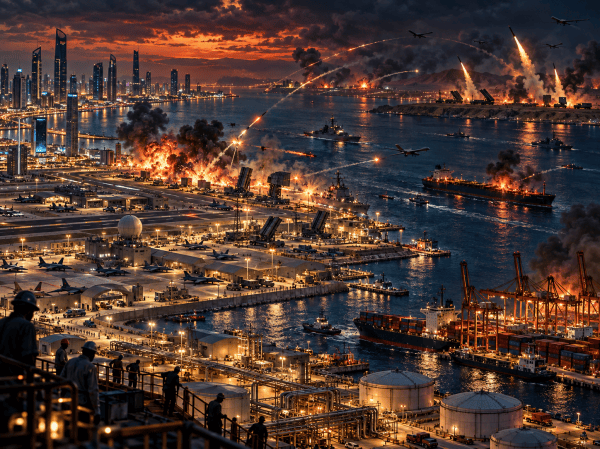
The Gulf monarchies, once loyal to Washington's military dominance, are now scrambling for survival in a world where Iranian aggression opposes their established security framework. The ongoing war has exposed a perilous contradiction: the very American military infrastructure meant to protect the Gulf states has rendered them vulnerable to Iranian strikes. As the U.S. becomes a less reliable ally, these nations are cautiously seeking dialogue with Tehran, marking a seismic shift in regional politics. Their actions aren't a break from American influence but a pragmatic response to an urgent need for stability amidst rising tensions. The question remains—can they navigate this treacherous terrain without abandoning old alliances?
When Empire Bombs Iran, Central Asia Pays the Price
U.S. airstrikes on Iranian infrastructure didn’t just target uranium—they struck at the arteries of Eurasian integration. As trade routes reroute and alliances recalculate, Central Asia is learning in real time what American friendship really means. By Prince Kapone | Weaponized Information | July 3, 2025 Collateral Optics: The Propaganda Function of Clean War Narratives On... Continue Reading →