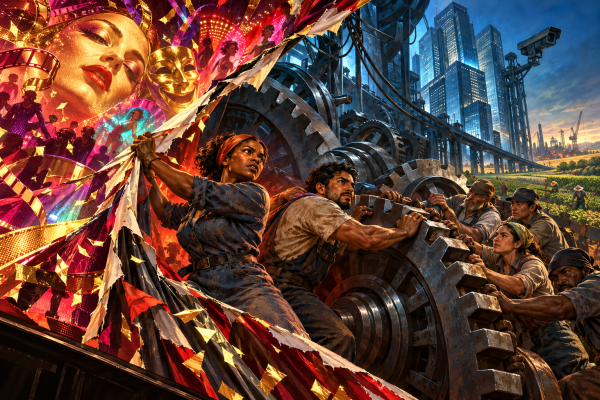
Chris Hedges's "Empire of Illusion" tears apart a society that transforms pain into spectacle and subjugates human connection for profit. But rather than merely lamenting a lost America of democratic ideals, Hedges obscures the necessary power to instigate change. This review ignites crucial questions about the ability of the oppressed—workers, peasants, and colonized peoples—to reclaim agency over their lives. The corporate machinery thrives on exploiting unmet needs while convincing subjects to embrace responsibility for their plight. In this world, true solidarity can’t be given away to capital's whims; it must be reclaimed and repurposed to dismantle oppressive structures.
The Empire Lost Its Monopoly: Multipolarity, Class War, and the Fight to Own the Future
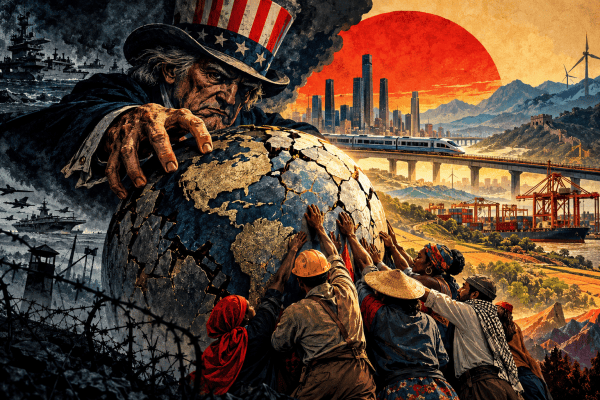
The imperialist façade is cracking as formerly colonized nations wield newfound agency, emboldened by China's socialist rise and BRICS collaboration. However, the narrative masks a grim reality: national sovereignty does not guarantee liberation from domestic exploiters. The struggle continues within, where local elites may replace imperial masters but retain the chains of economic subordination. This interplay reveals that power dynamics hinge on who decisively controls production and profits. As multipolarity expands possibilities, the essential question looms—will the working class finally seize genuine control over the fruits of their labor, or remain spectators in their own liberation? The era demands they reclaim agency—no more invitations.
The Runway Is Lao: Washington Still Thinks It Owns the Sky
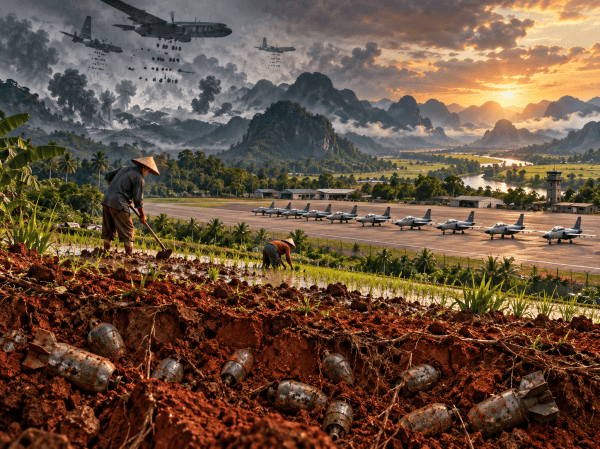
Eight small military jets at a joint Chinese-Lao training facility become a looming threat in The New York Times, while Laos’ sovereignty and revolutionary history disappear behind Washington’s geopolitical anxieties. Beneath the runway lies the legacy of American covert warfare, colonial devastation, and a socialist-rooted state struggling to build its productive and defensive capabilities. China’s cooperation offers genuine opportunities for national development while exposing contradictions involving debt, labor, land, and economic dependence. Weaponized Information excavates the imperial narrative to reveal the deeper struggle over material sovereignty, working-class interests, and the right of oppressed nations to determine their own future.