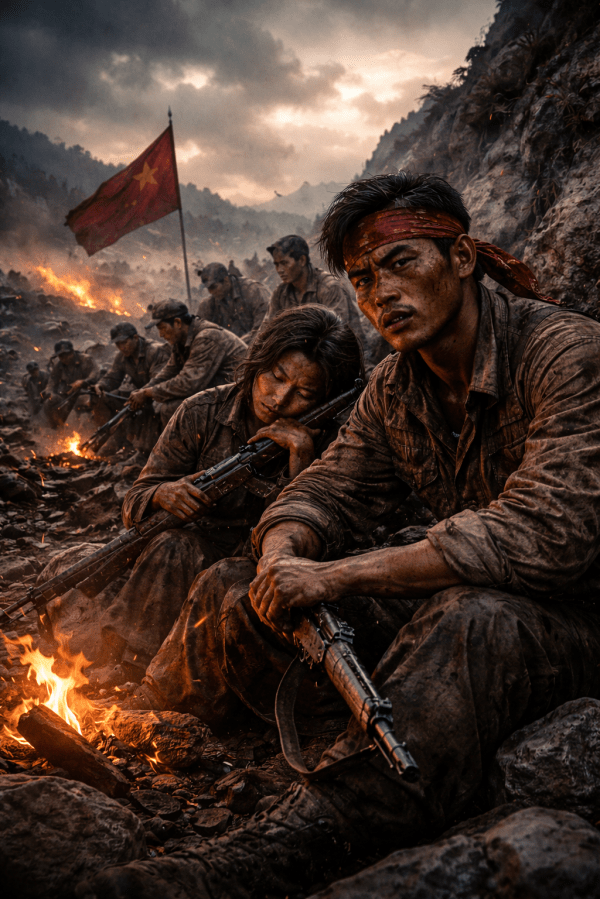
This Weaponized Intellects Book Review treats Kim San’s life not as biography but as a weapon—tracing how colonial violence, exile, repression, and ideological struggle forged a revolutionary consciousness that rejects liberal illusion, exposes the limits of nationalism and adventurism, and affirms that only disciplined, mass-based anti-imperialist struggle can transform defeat into the foundation for victory.... Continue Reading →
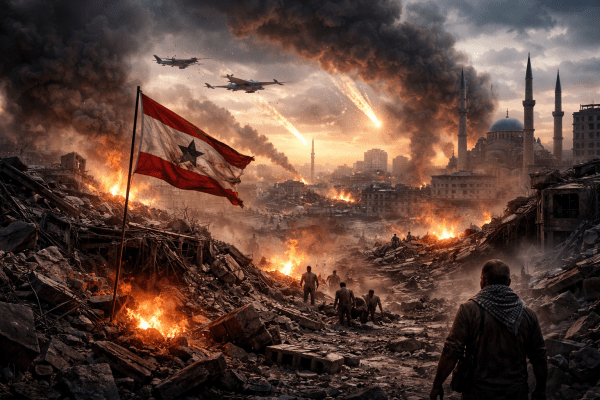
Order in the Rubble: How Empire Calls Coercion Peace in Lebanon
USA TODAY reports the bombs, the bodies, and the diplomatic noise, but leaves the machinery of power in the shadows. Beneath the language of “escalation” lies a longer structure of occupation, ceasefire manipulation, infrastructural warfare, and pressure on Lebanese sovereignty. The strikes on Lebanon are not an interruption of order, but one of the ways... Continue Reading →
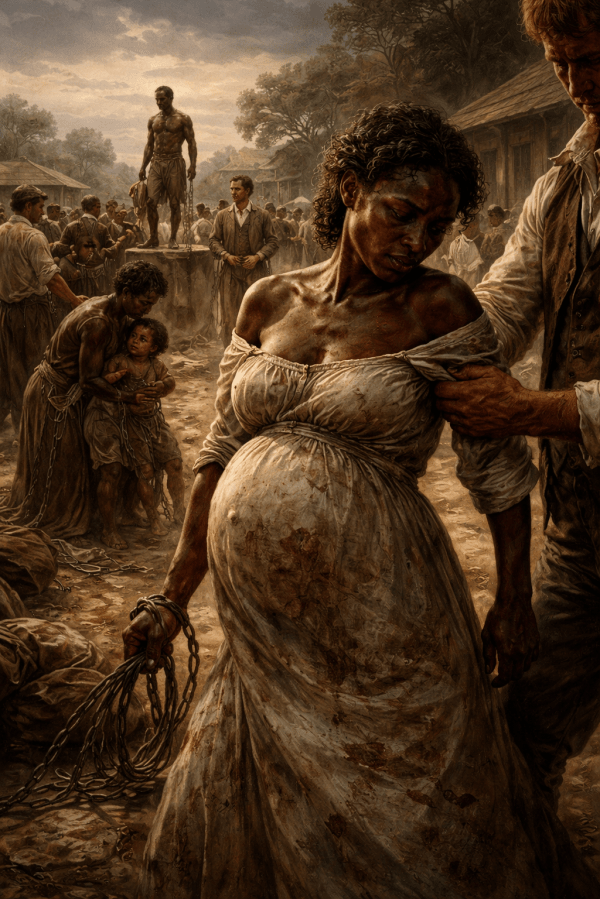
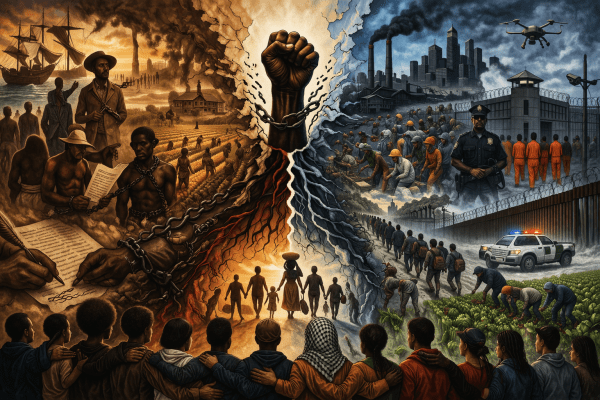
The Capitalized Womb: How Slavery Turned Black Women’s Reproduction into American Wealth
JSTOR’s tidy little history lesson reveals something real, but only after liberal scholarship scrubs the auction block clean enough for polite readers. Beneath the archive sits a system that turned rape, forced birth, and hereditary bondage into law, credit, and capital. The real story is not bad science gone astray, but a slave order using... Continue Reading →
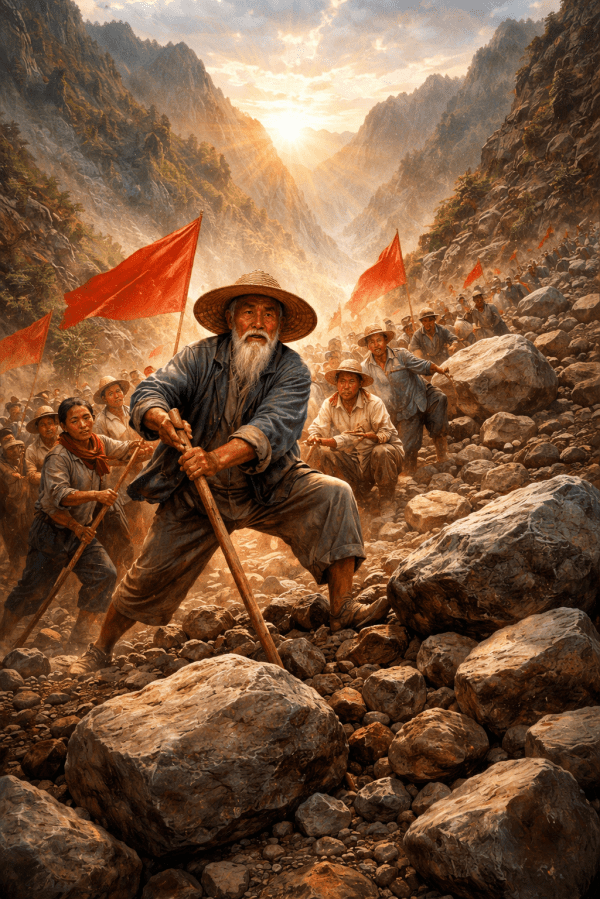
The Fool Who Moved the Mountains Still Walks Among Us: China’s Long March to Socialism and the Emergence of the Multipolar World Order
From Mao’s seizure of sovereignty to Xi’s effort to discipline capital, China’s modern history is neither a fall from revolutionary purity nor a smooth ascent into capitalism, but a protracted socialist struggle through contradiction. Each phase of development generated new class forces, new dangers, and new strategic adjustments, as the Party-state sought to preserve political... Continue Reading →
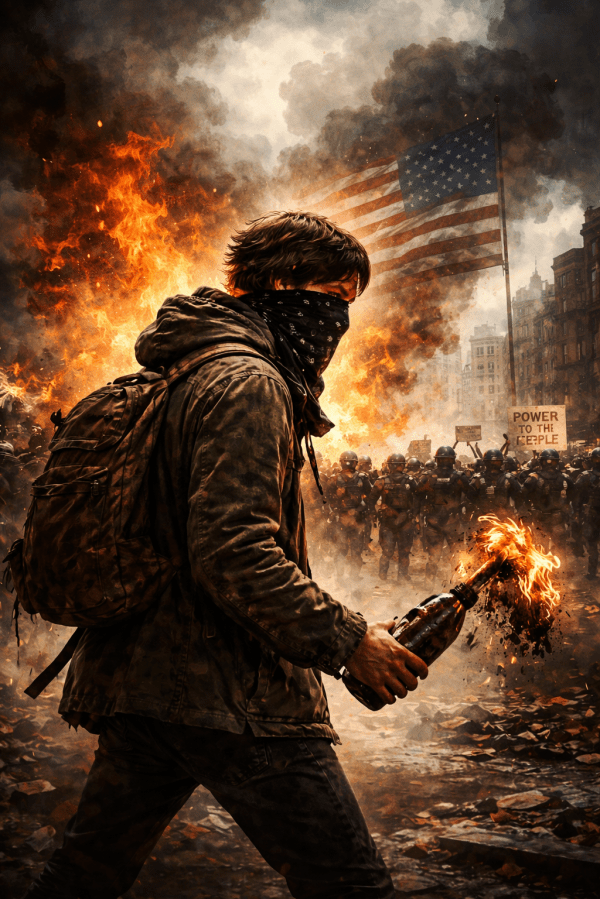
You Can’t Bomb Your Way Out of Empire: The Colonial Contradiction, White Radicalism, and the Failure of the Weather Underground
A liberal memoir transforms a history of anti-imperialist rebellion into a story of family inheritance, masking the structural realities of empire and repression. Beneath that narrative lies a system defined by imperial war abroad and counterinsurgency at home, where dissent is managed, surveilled, and neutralized. The Weather Underground emerged from this contradiction, but its turn... Continue Reading →
The Colonial Architecture of Class: How Race Was Engineered to Divide Labor and Stabilize Empire
What masquerades as a race-class conflict in America is merely the internal workings of empire. By tracing the evolution of labor relations, it becomes clear that racial divisions are structural, not superficial nuisances. This overlapping oppression demands a unified, revolutionary response, dispelling false dichotomies to reveal a singular system demanding collective action.
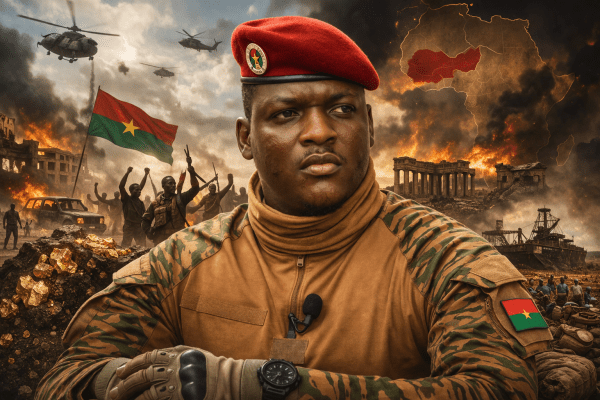
They Killed the State, Then Sold Us “Democracy”: Burkina Faso and the Empire’s Favorite Lie
The BBC frames Burkina Faso as a story of a rogue soldier rejecting democracy, but its narrative quietly assumes the innocence of the very system now being challenged. Beneath the surface lies a region shaped by war, extraction, and foreign control, where democracy functioned less as popular rule than as managed dependency. What appears as... Continue Reading →
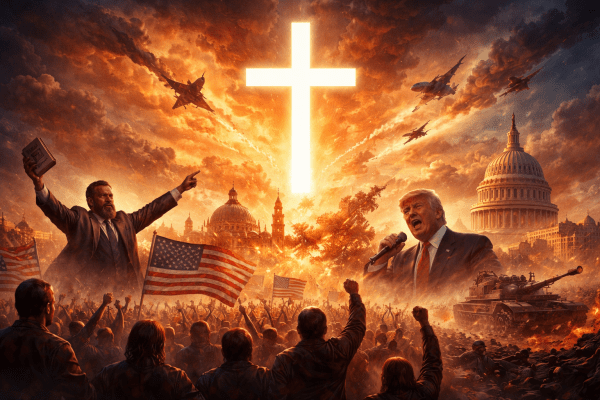
When Empire Finds God: The Intercept, The Holy War on Iran and the Rebirth of American Theocracy
A war sold through fear is now preached as destiny, as the language of intelligence gives way to the language of God. Behind the spectacle of evangelical zeal lies a harder truth: Iran sits at the crossroads of global energy and imperial control. At home, the same forces sanctifying war are reshaping society through family... Continue Reading →
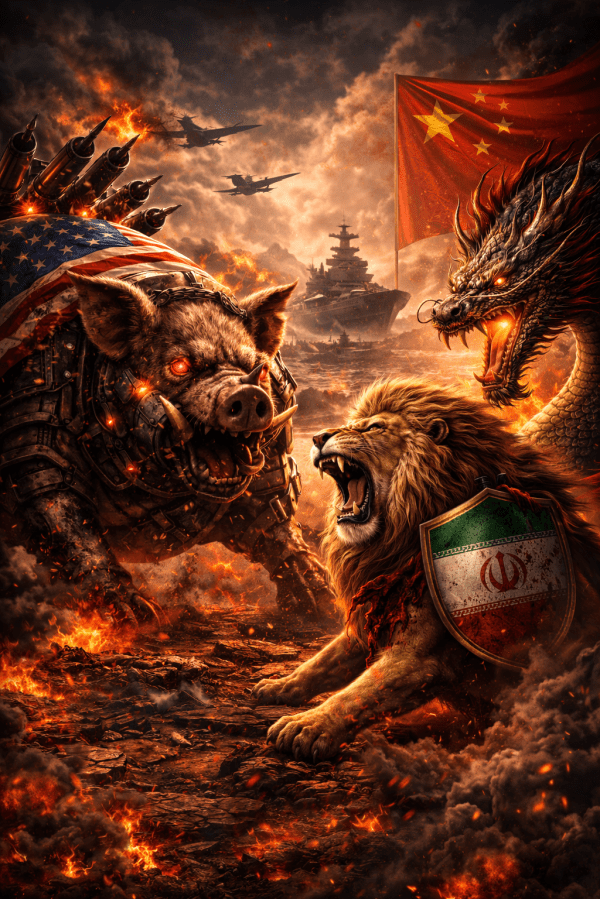
Killing the Lion to Slay the Dragon: Iran, China, and the Architecture of U.S. Power
The bombs falling on Iran did not begin this war—they reveal it. For decades, U.S. strategy has worked to break states, choke economies, and fracture regions in order to control the flow of energy and discipline any path of independent development. What looks like a regional conflict is the tightening of a global vise, aimed... Continue Reading →
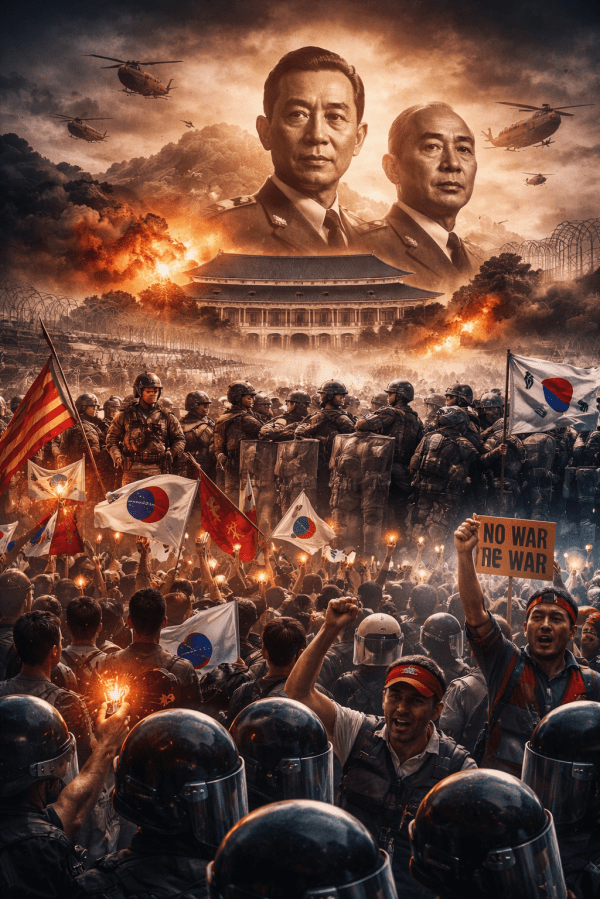
Borrowed Flags, Built-In Crisis: South Korea’s Anti-Communist State Cracks Under Its Own Weight
POLITICO turns a deep political rupture into spectacle, masking a crisis rooted in repression, dependency, and anti-communist rule. Beneath that spectacle lies a system shaped by coup attempts, militarized governance, U.S. command integration, and a society strained by inequality and dislocation. What appears as imported MAGA politics is in reality an old state logic speaking... Continue Reading →