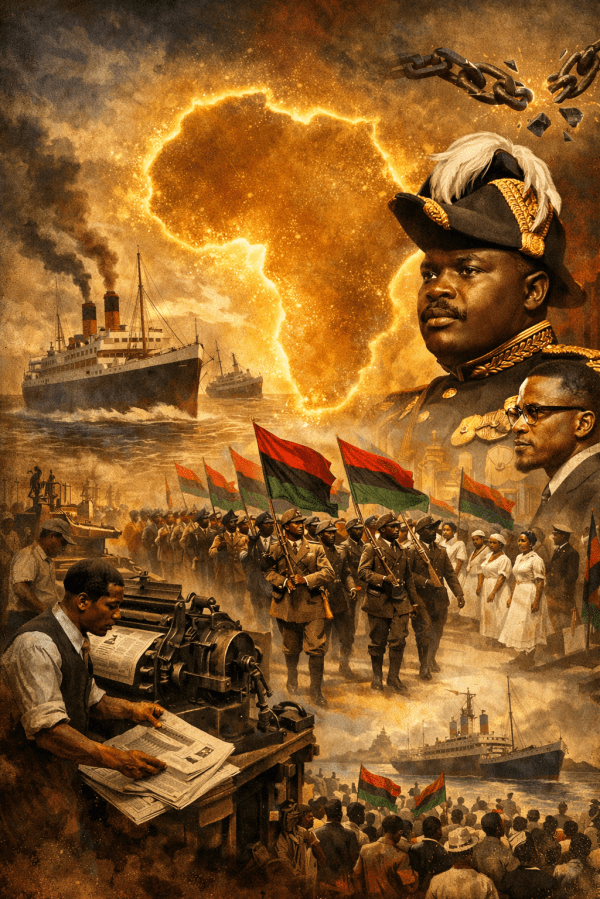
The Free Man and the Human Commodity: Britain’s Liberty Grew Inside a Slave Order
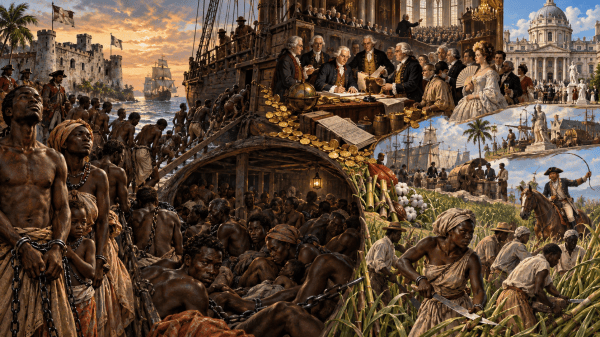
Britain’s slave trade wasn’t a barbaric side story to the rise of modern freedom. It was woven into the property system through which merchants, investors and institutions accumulated wealth while African captives were turned into human commodities. Parliament widened access to the trade, slave-linked fortunes entered industry, science and philanthropy, and abolition later compensated former owners while forcing the formerly enslaved through apprenticeship. The deeper contradiction wasn’t simply freedom versus slavery, but a society where the freedom of property holders could expand through the unfreedom of the owned. Today, reparations movements are reopening that buried ledger.

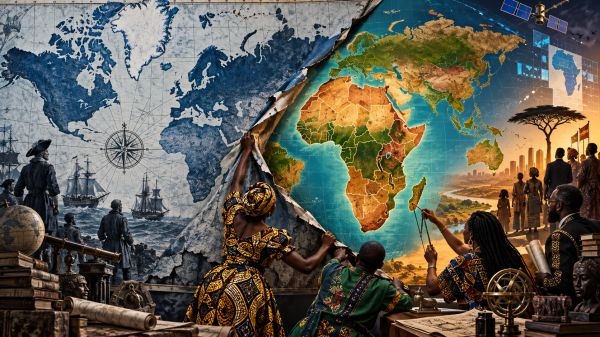
Convenience Inherited an Empire: Africa Puts the World Map on Trial

Mercator’s projection began as a useful tool for sailors, not a colonial conspiracy. But publishers, schools, governments, and later digital platforms carried its distorted view of continental scale far beyond navigation, turning a technical choice into inherited common sense. This essay traces how colonial cartography made geographic knowledge part of territorial command, how Web Mercator gave the old projection a new technological life, and how African political organization transformed the issue into a struggle over narrative sovereignty. The UN vote to “correct the map” matters—but a fairer image of Africa is only one front in the larger fight over who gets to define, produce, and control global knowledge.

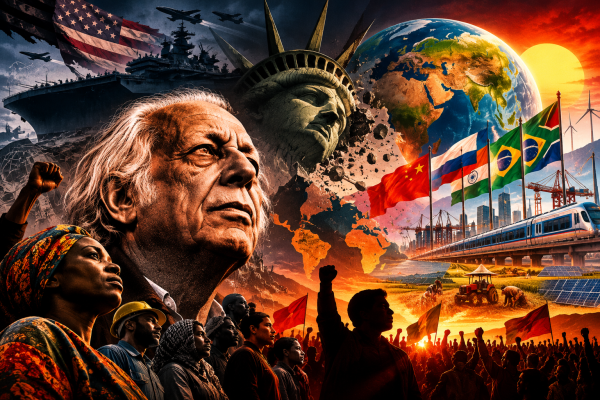
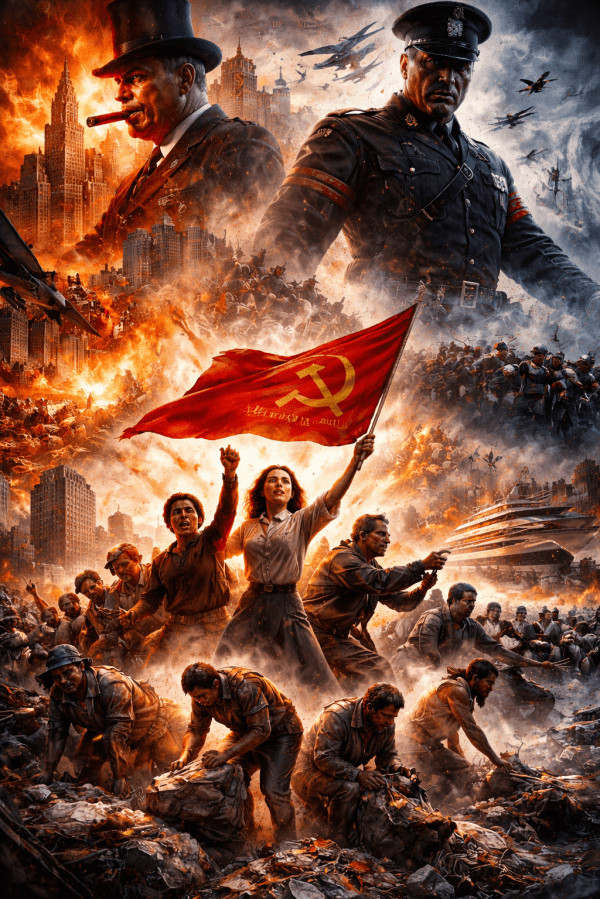
Beyond Hegemony, Beyond Illusion: Samir Amin, Multipolarity, and the Unfinished Road to Socialism

What happens when one of the twentieth century's greatest Marxist theorists is tested against the world that emerged after unipolarity began to fracture? This Weaponized Intellects review excavates Samir Amin's Beyond US Hegemony? as both a product of its historical moment and a living revolutionary framework, measuring its arguments against China's socialist transition, Russia's anti-hegemonic resurgence, the rise of BRICS, and Amin's own later theoretical development. The result is neither celebration nor dismissal, but a critical reconstruction that distinguishes multipolarity from socialism and argues that only organized popular power can transform the decline of empire into genuine human emancipation.

Website Powered by WordPress.com.

Up ↑