The World System Before European Hegemony: How the West Hijacked a System It Did Not Build
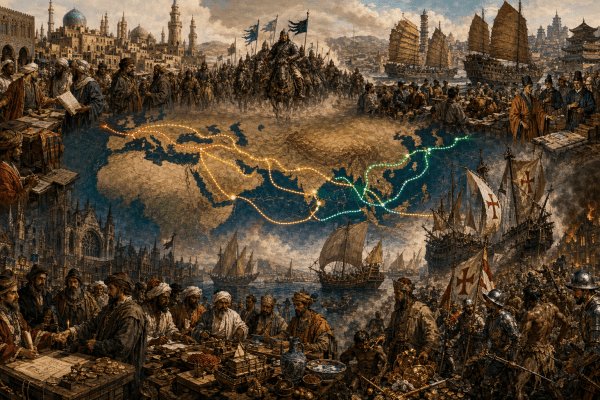
Janet Abu-Lughod's "Before European Hegemony" ruthlessly dismantles the myth that Europe rose to global prominence due to inherent superiority or brilliance. Instead, it reveals a pre-existing world economy crafted by diverse, thriving civilizations from which Europe, late to the game, benefited through exploitation and rupture. By tracing this narrative, Abu-Lughod forces us to confront uncomfortable truths: Europe did not create history; it emerged through the erosion of powerful systems created by others. History wasn’t predestined; it was violently reshaped.

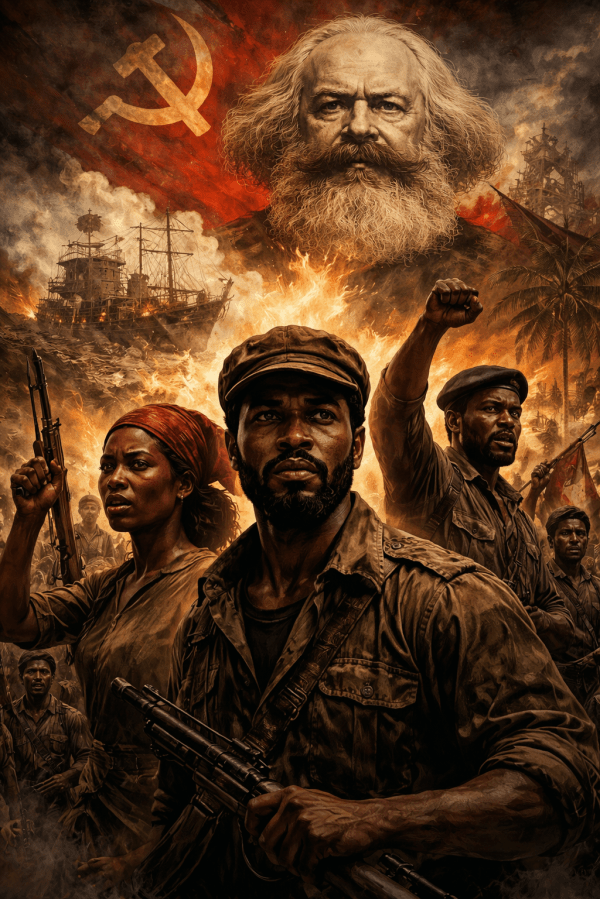
Africa Against the World Market: Hosea Jaffe, Imperialism, and the Long Struggle for Liberation

A Weaponized Intellects review of A History of Africa that excavates Hosea Jaffe’s uncompromising analysis of colonialism, class formation, and imperial domination—situating his intervention within the liberation struggles of his time and assessing its enduring relevance for understanding Africa, the world system, and the unfinished project of revolutionary transformation today. By Prince Kapone | Weaponized... Continue Reading →

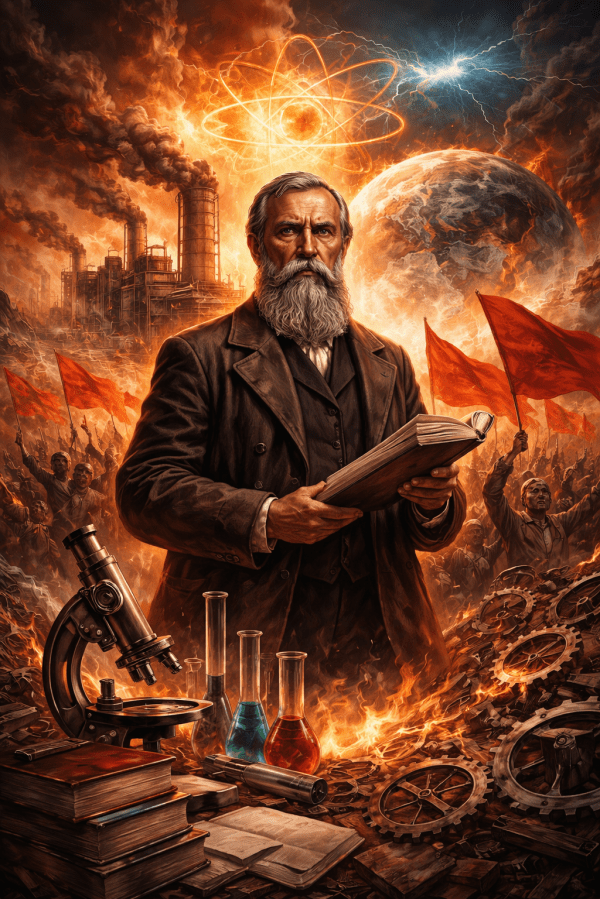
The War Over Totality: Engels, Science, and the Limits of Western Marxism

An uncompromising review of Sven-Eric Liedman’s The Game of Contradictions, tracing his reconstruction of Engels’s engagement with Hegel, science, and ideology while testing whether his critique clarifies the contradictions of dialectical materialism or disarms the communist struggle for totality. By Prince Kapone | Weaponized Information | Weaponized Intellects Book Review | April 12, 2026 Against... Continue Reading →

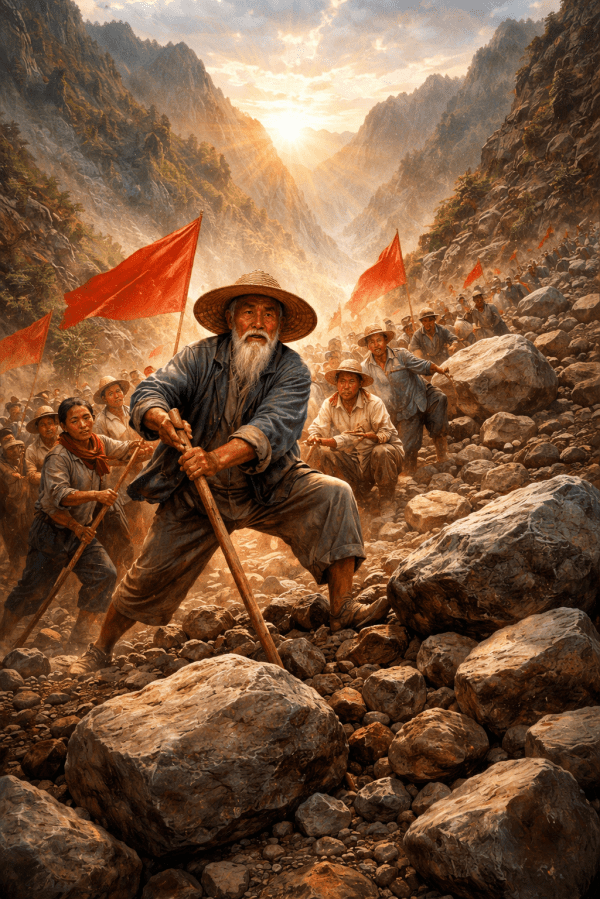
The Fool Who Moved the Mountains Still Walks Among Us: China’s Long March to Socialism and the Emergence of the Multipolar World Order

From Mao’s seizure of sovereignty to Xi’s effort to discipline capital, China’s modern history is neither a fall from revolutionary purity nor a smooth ascent into capitalism, but a protracted socialist struggle through contradiction. Each phase of development generated new class forces, new dangers, and new strategic adjustments, as the Party-state sought to preserve political... Continue Reading →

Cedric J. Robinson, Black Marxism and the Colonial Blindspot Inside Western Marxism

Black Marxism and the Colonial Blindspot Inside Western Marxism Cedric J. Robinson did not write Black Marxism to abandon Marxism, but to indict the version of it that emerged safely inside empire. By tracing capitalism’s formation through slavery, racial domination, and colonial war, Robinson forces historical materialism to confront what Western Marxism systematically erased. The... Continue Reading →

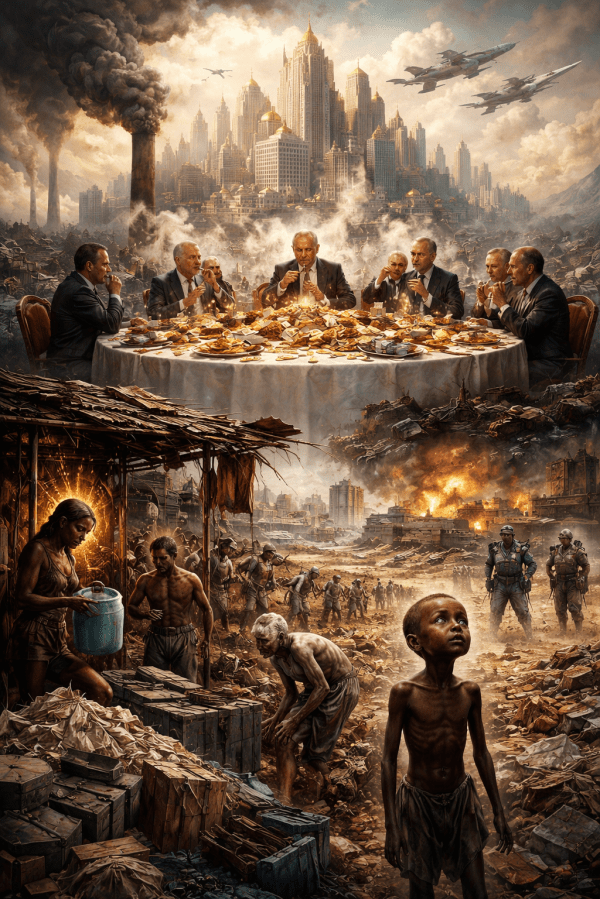
Growth Without Development: How Capitalism Produces Abundance, Manufactures Poverty, and Calls It Progress

In The Political Economy of Growth, Paul A. Baran dismantles the myth that growth is neutral or benevolent, exposing it as a class project rooted in surplus extraction and imperial power. He shows how monopoly capitalism turns productivity into waste and development into stagnation, both at home and across the colonized world. Against liberal economics... Continue Reading →

The Pole and the Cage: Fortress America, Technofascism, and the Labor Regime of Imperial Decline

The U.S. economy is generating profits without integrating people into stable life. Domestic labor is being recalibrated through precarity, surveillance, and managed migration. Fortress America turns the hemisphere into a disciplined rear-base of corridors, minerals, and compliant labor. The American Pole and technofascism are one system—an empire tightening the enclosure at home and abroad.By: Prince... Continue Reading →

Author, Authority, and Empire: How “Authoritarian” Became Political Science’s Favorite Weapon Against Mass Power

This essay is part of Weaponized Information’s larger project to forge a new discipline of political science—one that treats politics as the scientific study of power: how it is accumulated, organized, enforced, and resisted. In “Towards a New Political Science: Politics as the Science of Power”, we broke with procedural political science and its canon... Continue Reading →

Walter Rodney’s Guyanese Working People: How Colonial Capital Made the Class It Had to Control

Walter Rodney begins with a colonial society physically reproduced by working people yet organized to deny those same people control over the labor, land, and material conditions that kept it alive. Emancipation shattered slavery’s legal form without resolving capital’s labor problem, forcing the struggle onto new terrain as workers used land, villages, mobility, and subsistence... Continue Reading →

Website Powered by WordPress.com.

Up ↑