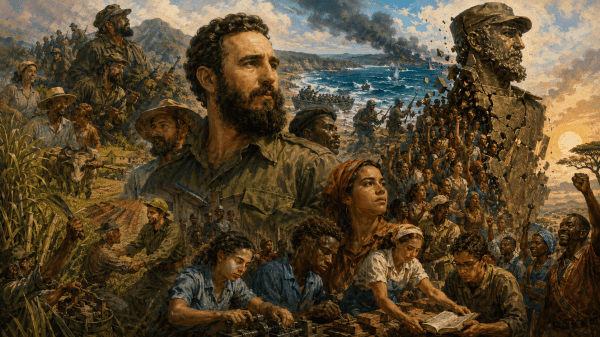
On the centenary of Fidel Castro's birth, his autobiography, My Life, acts as a provocative lens into the complexities of revolution. It dismantles the myth of the born revolutionary, showcasing instead how context, struggle, and learning forge warriors for change. Despite Cuba's successes, deep-rooted issues like racism and inequality persist, with Fidel warning that Cuba's most significant threat may not come from external forces but from within—its own inability to correct mistakes. As the Revolution ages, the pressing query remains: can it continually foster revolutionary consciousness amidst evolving contradictions or will it succumb to the complacency that often follows victory?
The Empire Calls Resistance Subversion: Cuba and Washington’s War on Revolutionary Consciousness
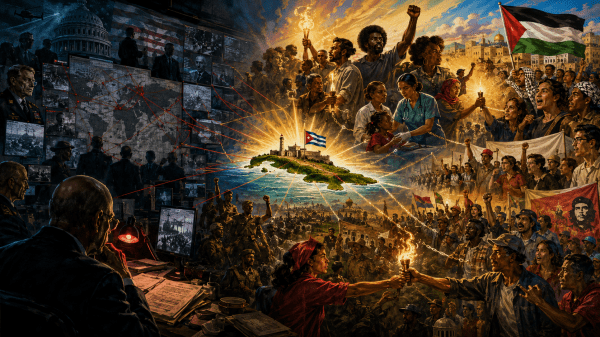
The State Department's report conflates documented espionage with a sweeping indictment of social movements, branding students, revolutionaries, and dissenters as part of a conspiracy orchestrated from Cuba. This narrative denies local struggles against oppression, instead framing resistance as a foreign-directed plot, thus erasing historical context and the material origins of dissent. The document's loose connection between Cuba's influence and contemporary activism serves as a McCarthyite tool against American dissent. By equating genuine political engagement with espionage, it aims to squash revolutionary consciousness and reinforce the status quo, revealing the empire's fear that the oppressed might unite and resist independently.
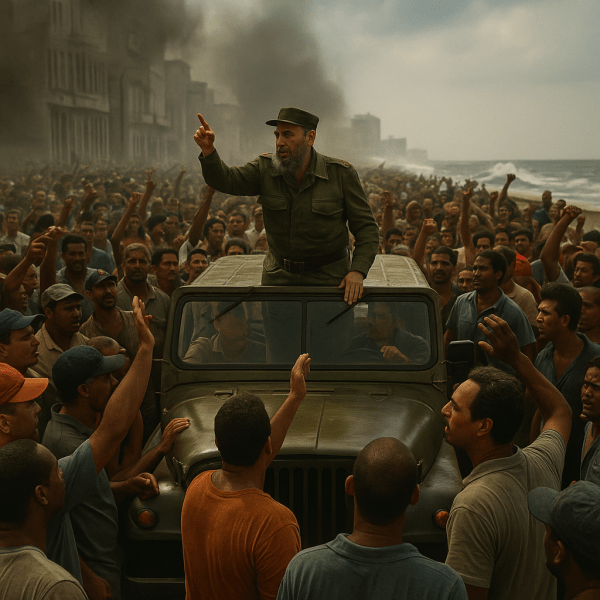
“Fight Alongside the People—and Die with the People”: Fidel Castro’s 1994 Havana Address and the Reassertion of Revolutionary Legitimacy
Weaponized Statecraft Series | In Commemoration of Fidel Castro’s Birthday By Prince Kapone | Weaponized Information | August 13, 2025 Part I. Revolutionary Presence in the Midst of Crisis “If rocks were being thrown and shots were being fired, I wanted to receive my share.” In the summer of 1994, as the so-called “Maleconazo” protests... Continue Reading →