America's staggering $81.9 trillion debt is more than just a number; it's a complex web of financial claims overshadowing the real economic landscape. The nation's ability to issue dollars grants it a unique power, allowing it to leverage future incomes to accommodate debt—while the average worker grapples with mortgages, credit cards, and student loans. This contradictory system—where public power fuels private finance—disguises the inequality at play. As lenders profit, households struggle, further entrenching societal divides. The U.S. isn’t just a massive debtor; it’s a realm where debt serves as both a lifeline and a constraint, revealing the capitalist dance between ownership and obligation.
The Dividend Is Human: Africa’s Population Boom and the Battle Over Production
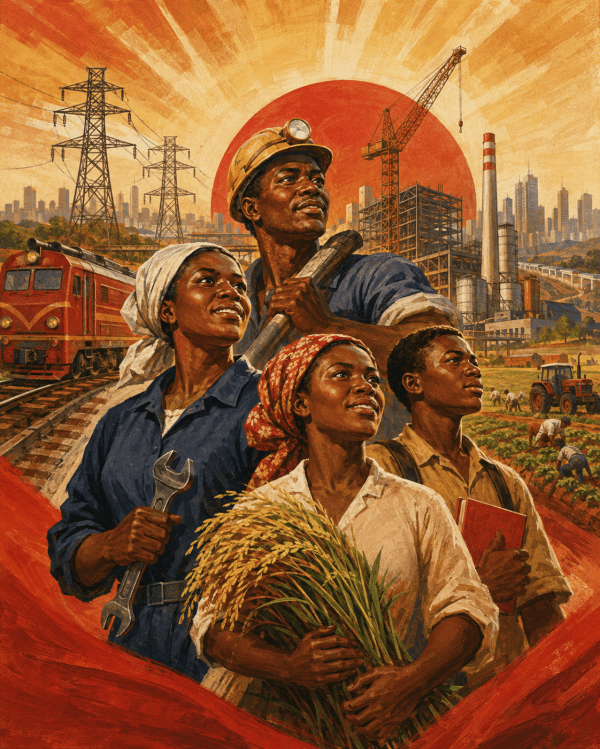
The Financial Times provocatively flips the Malthusian narrative on its head, arguing Africa's plight stems from a historical lack of population rather than excess. This revisionist tale criticizes the colonial legacy that stripped Africa of its labor and infrastructure, while the current swell of population, cities, and markets struggles against debt and underdevelopment. The real challenge isn't merely a growing populace; it's whether Africans can seize control of factories, technology, and continental markets. As density increases, the push for organized labor and investment in industrial capacity becomes crucial—otherwise, Africa risks becoming a mere market for foreign goods, trapped in a cycle of dependency despite its demographic potential.