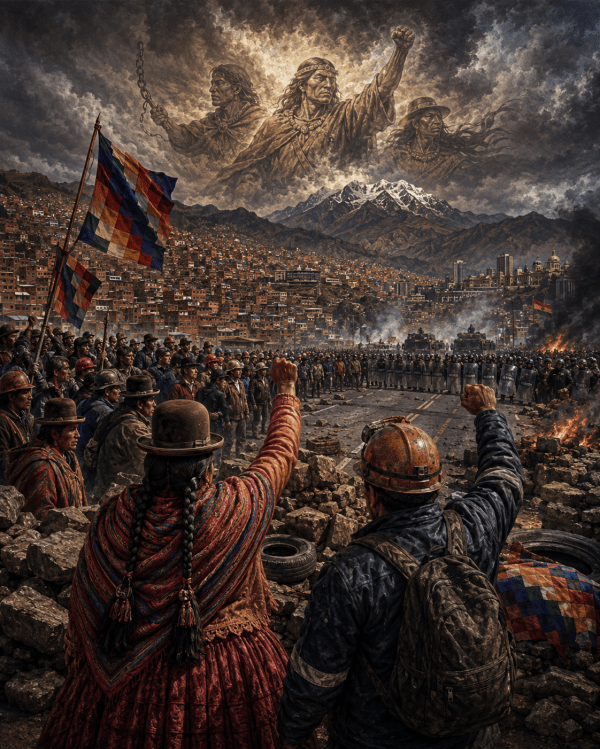
Bolivia is experiencing a seismic shift, as the indigenous and working-class masses rise against a government they see as complicit with imperial interests and corporate power. Jacobin's portrayal of this struggle as chaotic “political vacuum” fails to grasp the reality: the people are not absent from politics; they are reclaiming agency. While the ruling class laments blocked roads and instability, they ignore the genuine political force being forged by those occupying them—workers, campesinos, and indigenous communities asserting power where previously silenced. The barricades are not just obstacles; they symbolize resistance against commodification and repression, signaling a reawakening of history in the fight for sovereignty and justice.
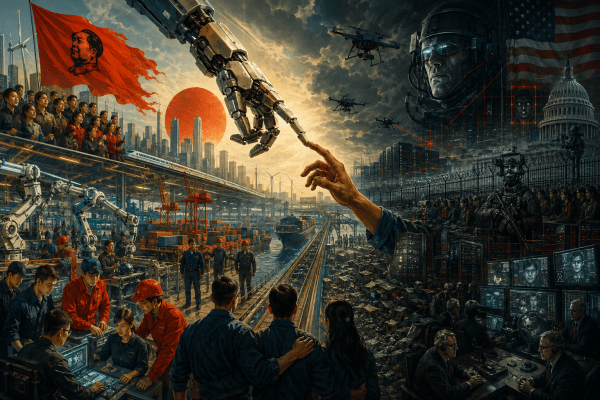
RED MACHINES, BLACK MIRRORS: AI, EMPIRE, AND THE NEW LONG MARCH AGAINST CAPITALISM
China's transformation from a mere assembly line to a powerhouse of intelligent manufacturing signals a seismic shift that threatens to dismantle the Atlantic monopoly on industrial command. As the U.S. responds with sanctions and technological blockades, the real battle unfolds over who controls the future of AI and automation. This is not merely an economic transition; it's a clash of ideologies. The West fears a new geopolitical order where technological sovereignty empowers the Global South, undermining imperial hierarchy. While intelligent manufacturing holds the potential for collective liberation, unchallenged monopoly control risks deepening exploitation. The future demands that humanity wrests command from corporate hands, reshaping technology for collective progress.
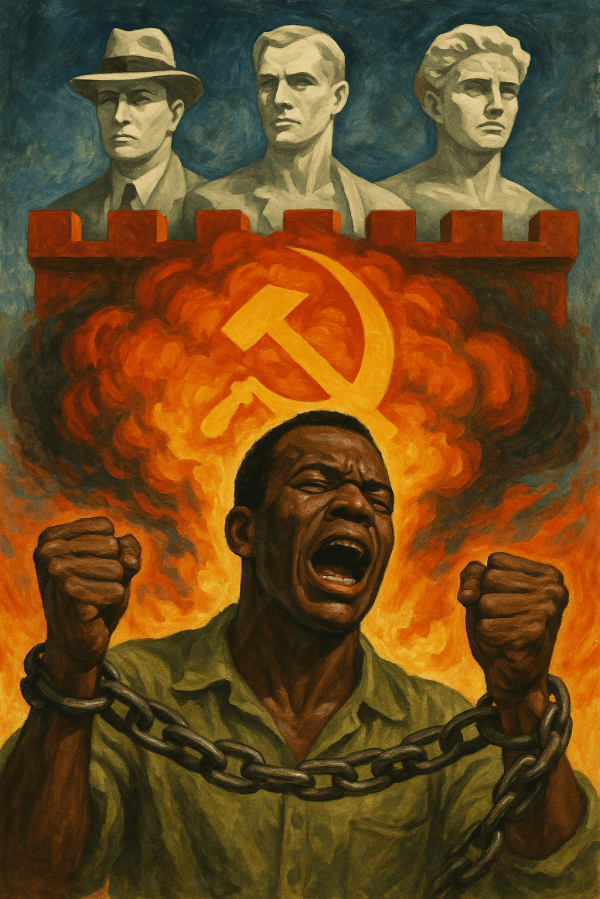
Black Scare, Red Scare, Class War
Charisse Burden-Stelly’s Scientific Autopsy of U.S. Empire and Its Racial Counterinsurgency LogicBy Prince Kapone | Weaponized Information | August 3, 2025Capitalist Racism Is Not a Bug—It’s the Operating SystemThere are books that describe the system, books that critique the system, and then there are books that make you realize you were still living inside the... Continue Reading →
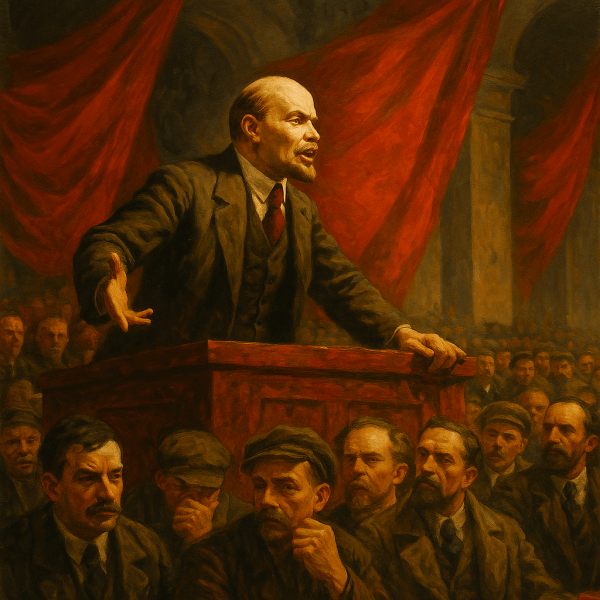
Credit Is Not Eternal: Lenin, the Peasant, and the Test of Revolutionary State Power
In 1922, with the fires of civil war fading and the hardships of famine and bureaucratic decay sharpening into focus, Lenin stood before the Eleventh Party Congress not to celebrate victory, but to sound an alarm. In his most unsparing speech, he turned the full force of revolutionary critique inward—against incompetence, against illusion, and against... Continue Reading →