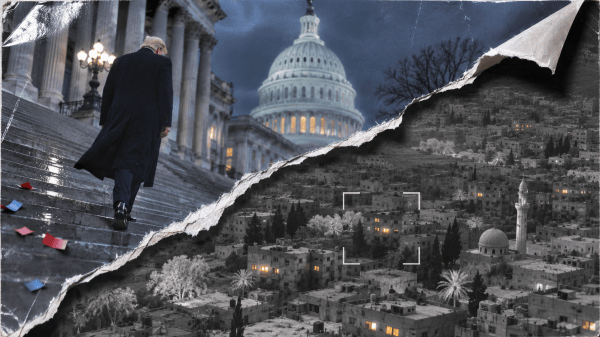
POLITICO hears power draining out of Trump’s White House, but the freedom of a banker to turn down a presidential favor tells us damn little about who can stop a war. From Nixon’s secret bombing of Cambodia through the post-9/11 grants of authority and the surveillance powers Democrats helped renew, Washington spent decades building the... Continue Reading →
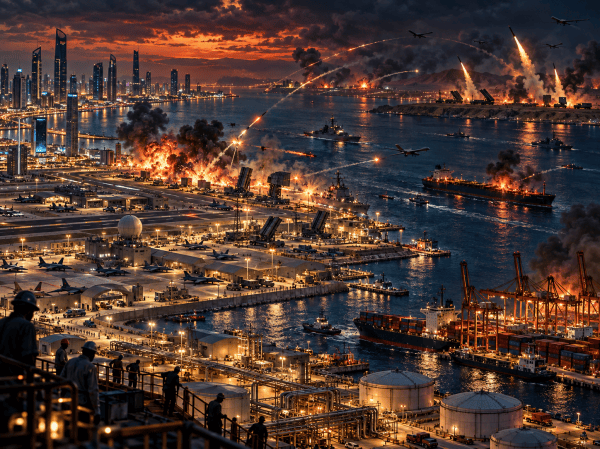
The Shield Became the Target: Washington Moved the Battlefield Into the Gulf
The Gulf monarchies, once loyal to Washington's military dominance, are now scrambling for survival in a world where Iranian aggression opposes their established security framework. The ongoing war has exposed a perilous contradiction: the very American military infrastructure meant to protect the Gulf states has rendered them vulnerable to Iranian strikes. As the U.S. becomes a less reliable ally, these nations are cautiously seeking dialogue with Tehran, marking a seismic shift in regional politics. Their actions aren't a break from American influence but a pragmatic response to an urgent need for stability amidst rising tensions. The question remains—can they navigate this treacherous terrain without abandoning old alliances?
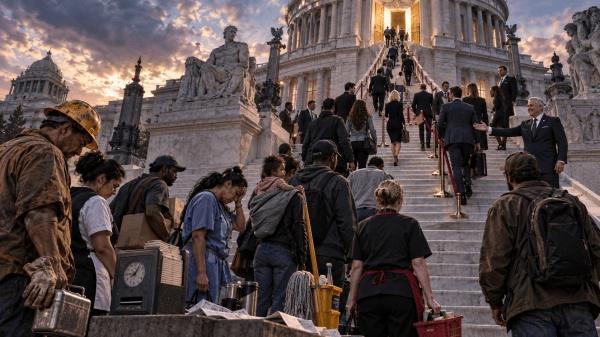
The Door Is Open, the Staircase Narrows: How Democracy Filters Out the Working Class
Bloomberg uncovered a brutal democratic fact: working people make up most of the labor force, yet barely appear in legislatures. This essay follows the worker beyond that statistic and shows how the disappearance happens—through inflexible work schedules, lost wages, primary elections, party recruitment, professional political careers, and repeated institutional filtering before voters ever reach the ballot. The problem isn’t that workers lack ambition or governing ability. It’s that formal political equality rests on a social order that distributes time, money, networks, and political experience by class. If workers are to enter politics in force, organization has to change who gets produced as a political leader.
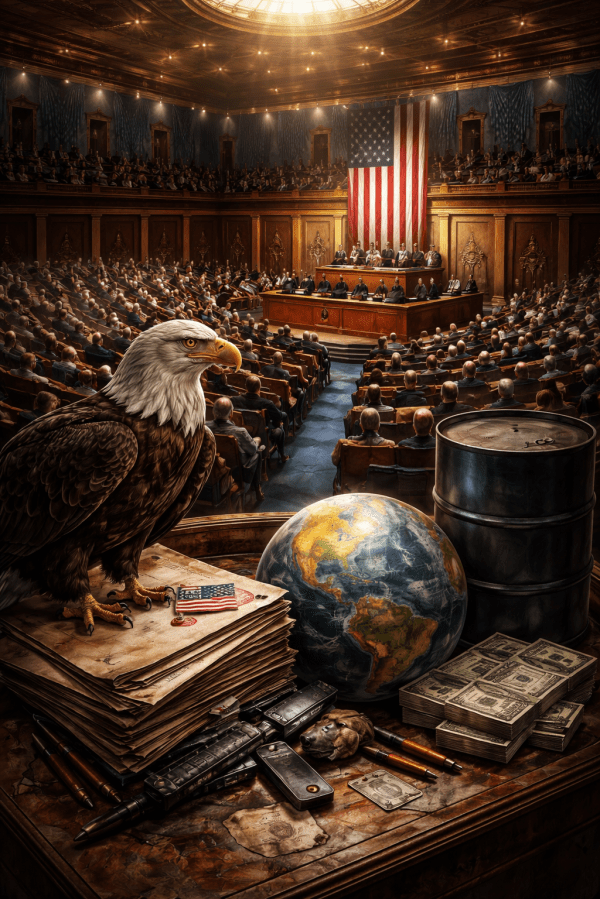
The American Pole in Session: How Congress Normalizes Hemispheric Domination
This hearing revealed empire speaking in its managerial voice, not its moral one. Venezuela was treated not as a nation, but as a logistical and political control problem. Bipartisan oversight functioned as maintenance of imperial authority, not restraint upon it. For revolutionaries North and South, the American Pole names the structure we must learn to... Continue Reading →