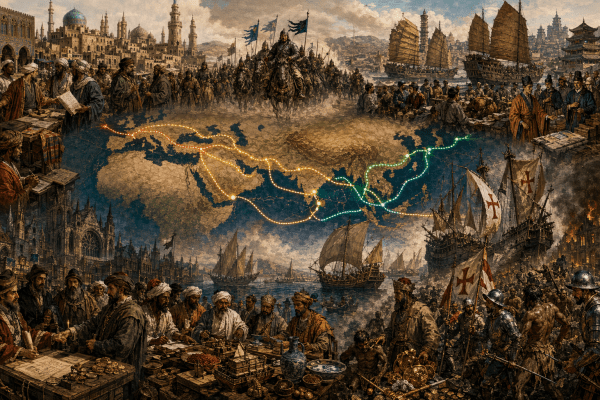
Janet Abu-Lughod's "Before European Hegemony" ruthlessly dismantles the myth that Europe rose to global prominence due to inherent superiority or brilliance. Instead, it reveals a pre-existing world economy crafted by diverse, thriving civilizations from which Europe, late to the game, benefited through exploitation and rupture. By tracing this narrative, Abu-Lughod forces us to confront uncomfortable truths: Europe did not create history; it emerged through the erosion of powerful systems created by others. History wasn’t predestined; it was violently reshaped.
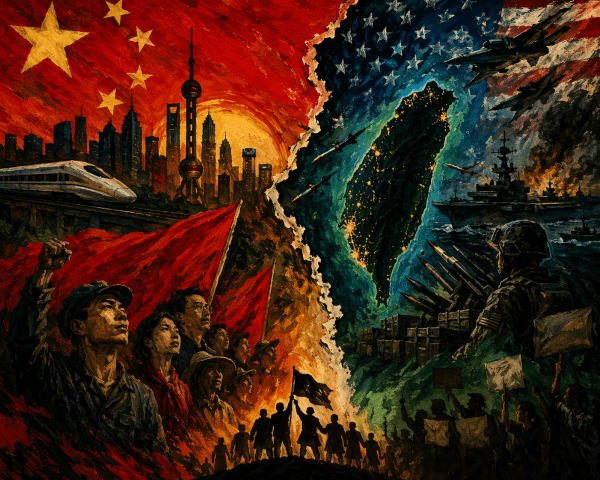
The Wound They Refuse to Heal: Taiwan, Empire, and the War Against Chinese Sovereignty
Reuters doesn’t just report events—it organizes reality through an imperial lens that disciplines how China is seen and understood. Beneath the surface, the Taiwan question reveals a dense structure of civil war legacy, U.S. militarization, legal contradictions, and economic interdependence. The truth is not “cross-strait tension,” but an unfinished revolutionary contradiction weaponized by empire to... Continue Reading →
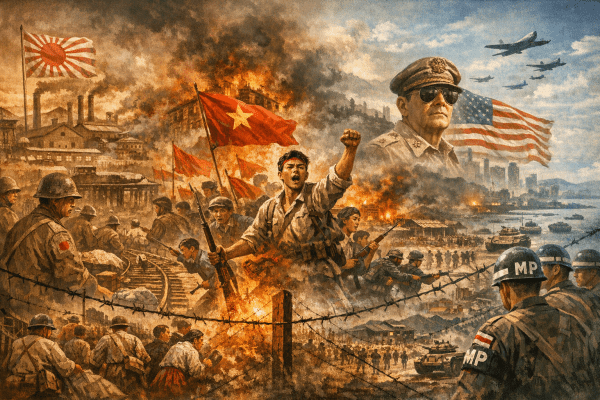
The Origins of the Korean War: From Colonial Rupture to Contained Revolution
This review reconstructs the Korean War not as a sudden conflict in 1950, but as the culmination of colonial transformation, revolutionary struggle, and imperial intervention between 1945 and 1947. Drawing on Bruce Cumings, it reveals how liberation opened a radical possibility that was contained, divided, and ultimately reshaped into two opposing systems—making war not accidental,... Continue Reading →
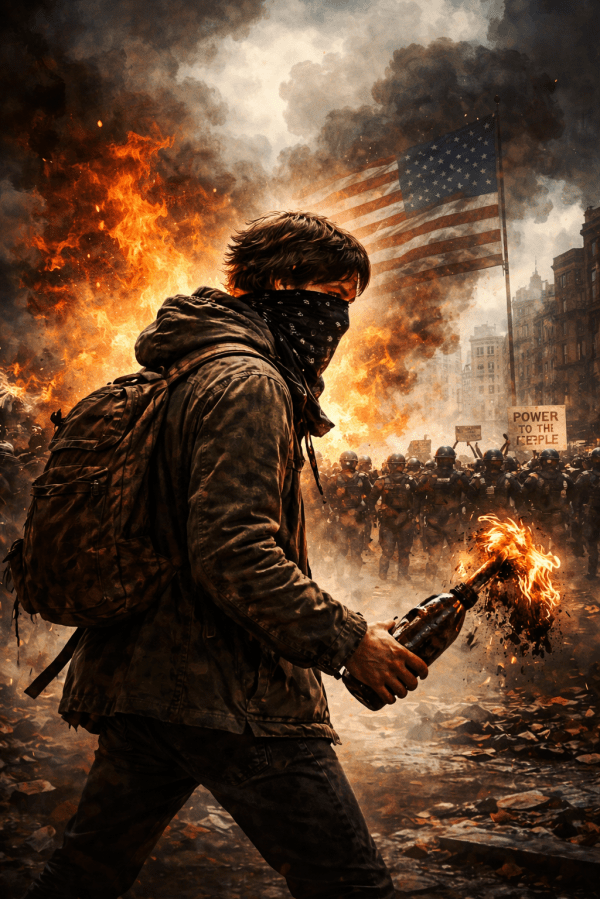
You Can’t Bomb Your Way Out of Empire: The Colonial Contradiction, White Radicalism, and the Failure of the Weather Underground
A liberal memoir transforms a history of anti-imperialist rebellion into a story of family inheritance, masking the structural realities of empire and repression. Beneath that narrative lies a system defined by imperial war abroad and counterinsurgency at home, where dissent is managed, surveilled, and neutralized. The Weather Underground emerged from this contradiction, but its turn... Continue Reading →
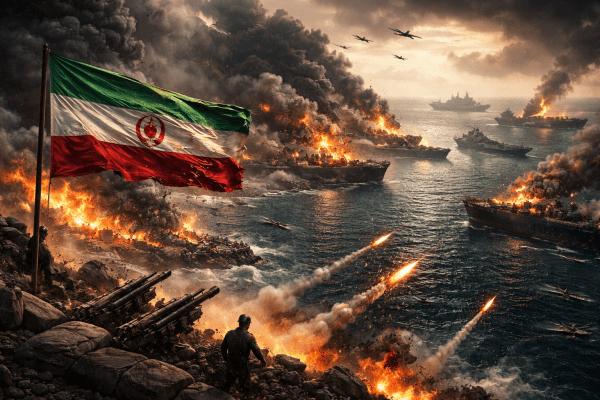
The Eradication of a “Whole Civilization”: Empire’s War on Iran and the Logic of Genocide
The ongoing crisis is no mere conflict but a hyper-imperialist war where the U.S. threatens annihilation to maintain control over global energy chokepoints. Beneath the surface of chaos, the narrative of mutual escalation obscures grim realities: state violence, war crimes, and an empire's desperate bid to stave off a multipolar future, demanding urgent resistance.
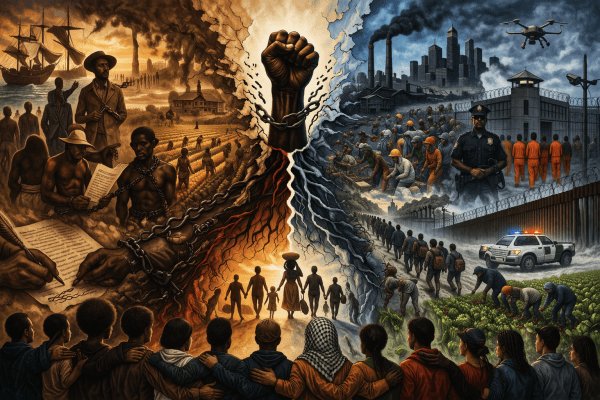
The Colonial Architecture of Class: How Race Was Engineered to Divide Labor and Stabilize Empire
What masquerades as a race-class conflict in America is merely the internal workings of empire. By tracing the evolution of labor relations, it becomes clear that racial divisions are structural, not superficial nuisances. This overlapping oppression demands a unified, revolutionary response, dispelling false dichotomies to reveal a singular system demanding collective action.
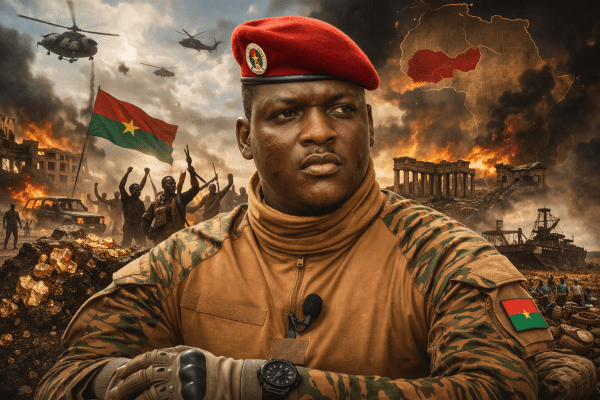
They Killed the State, Then Sold Us “Democracy”: Burkina Faso and the Empire’s Favorite Lie
The BBC frames Burkina Faso as a story of a rogue soldier rejecting democracy, but its narrative quietly assumes the innocence of the very system now being challenged. Beneath the surface lies a region shaped by war, extraction, and foreign control, where democracy functioned less as popular rule than as managed dependency. What appears as... Continue Reading →
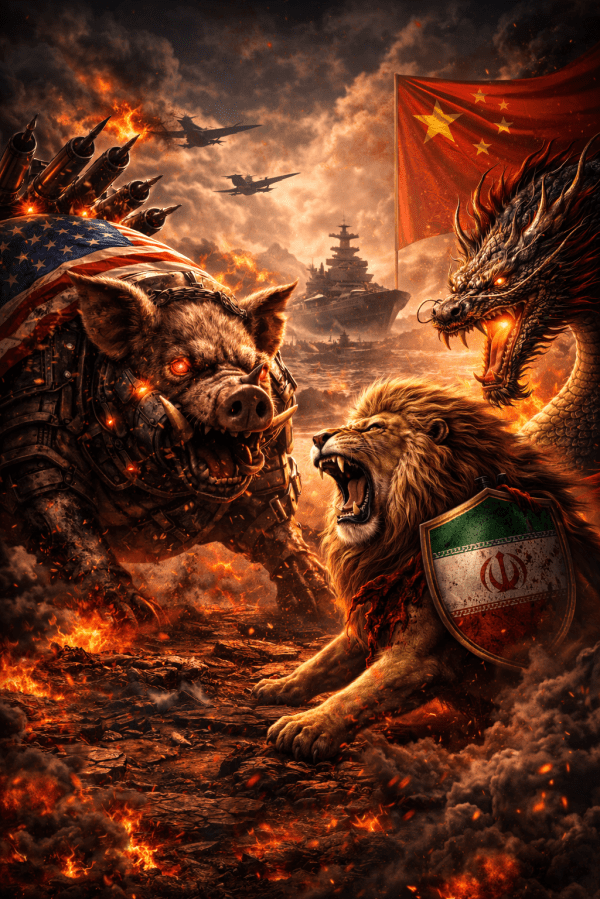
Killing the Lion to Slay the Dragon: Iran, China, and the Architecture of U.S. Power
The bombs falling on Iran did not begin this war—they reveal it. For decades, U.S. strategy has worked to break states, choke economies, and fracture regions in order to control the flow of energy and discipline any path of independent development. What looks like a regional conflict is the tightening of a global vise, aimed... Continue Reading →
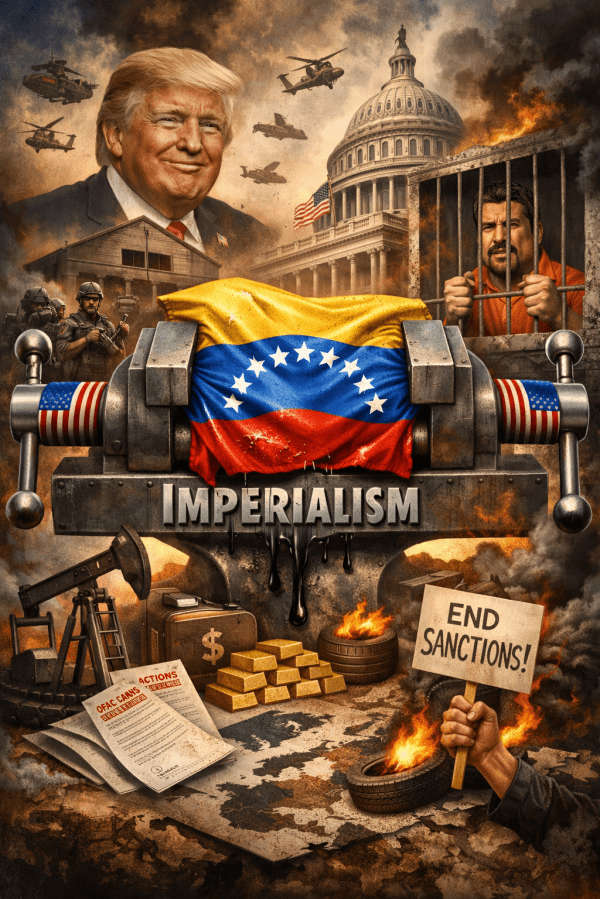
Venezuela in the Imperial Vise: The Intercept, Trump’s “Perfect Scenario,” and the Forced Reconstruction of the Bolivarian State
The Intercept’s account of Trump’s Venezuela “success” exposes colonial features of the new order, but still stops short of naming the imperial body on the table. Beneath the language of reform and normalization lies a forced recalibration: oil, minerals, law, diplomacy, and public finance are being reorganized under duress while the Bolivarian state struggles to... Continue Reading →
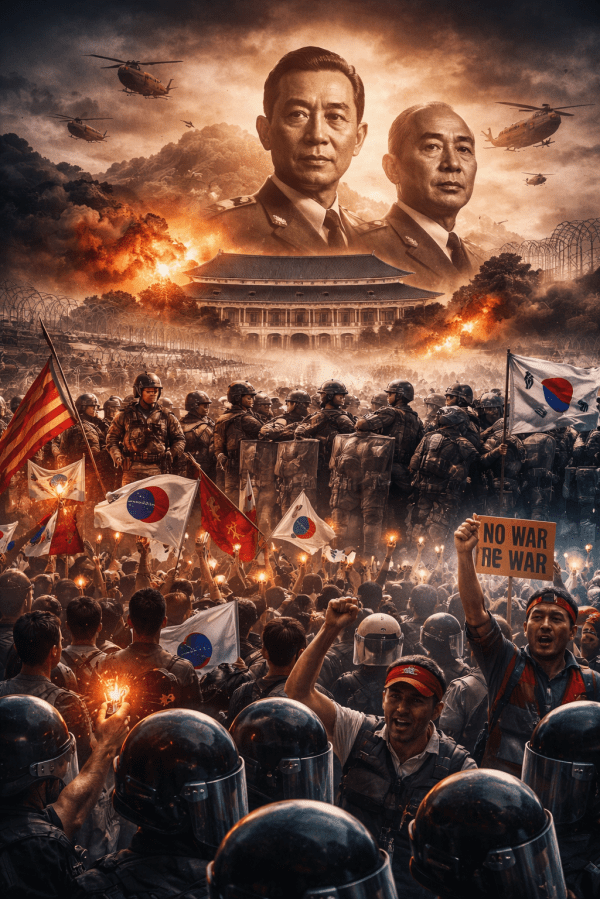
Borrowed Flags, Built-In Crisis: South Korea’s Anti-Communist State Cracks Under Its Own Weight
POLITICO turns a deep political rupture into spectacle, masking a crisis rooted in repression, dependency, and anti-communist rule. Beneath that spectacle lies a system shaped by coup attempts, militarized governance, U.S. command integration, and a society strained by inequality and dislocation. What appears as imported MAGA politics is in reality an old state logic speaking... Continue Reading →