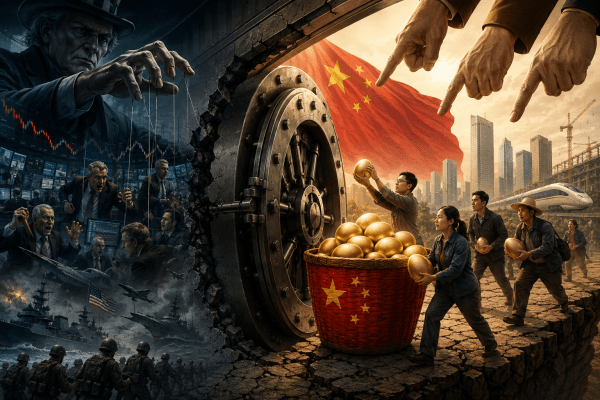
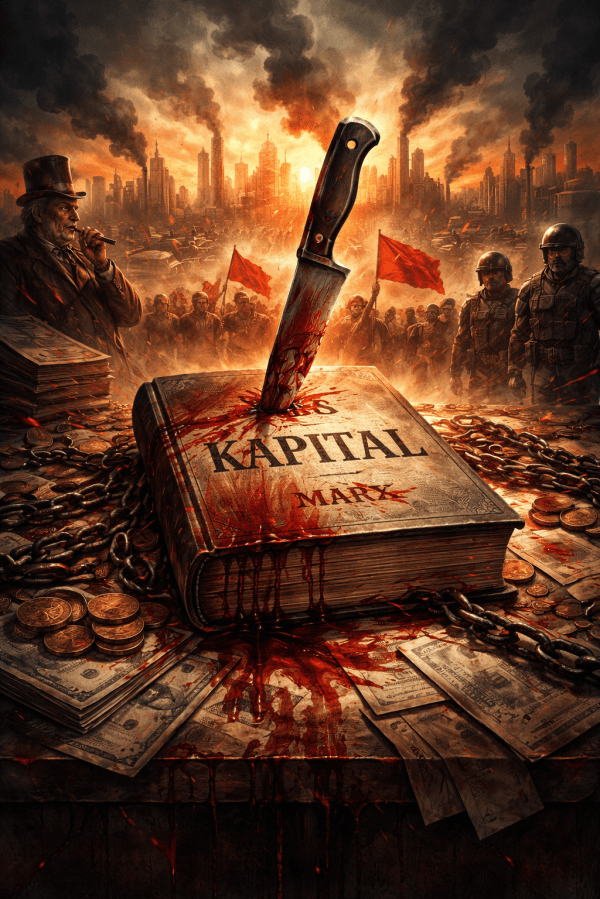
China Locked the Vault: Wall Street Weeps for the Investor It Wanted to Recruit

The New York Times portrays China's financial regulations as a morality tale of oppressed investors yearning for capital freedom, framing Beijing's restrictions on overseas investments as authoritarian repression. However, this narrative conveniently ignores China's struggle against capital flight amidst geopolitical tensions with the U.S. The real story is about defending national wealth from draining into imperial circuits while promoting domestic stability and development. This distortion of capital mobility as individual freedom obscures the broader implications of wealth dispersing into an adversarial financial system. The moral panic surrounding investor frustrations reveals a deeper conflict: the sovereignty of a nation versus the whims of financial capital.

The Witch Has a Booking Page: How Capital Sells Women Back the Commons It Destroyed

The Guardian romanticizes women's escape into witchcraft retreats, masking a harsher truth: capitalism has fragmented community, only to sell facsimiles of it back to the lonely. Beneath the rituals of sisterhood lies a commodified search for healing, where pain is packaged as a wellness experience for those who can afford it. This article stirs empathy but shies away from confronting the systemic forces that produced these wounds. Women are not merely seeking solace; they are expressing anger born from societal oppression. The challenge is to transition from commodified refuge to collective action, turning shared grief into political power.

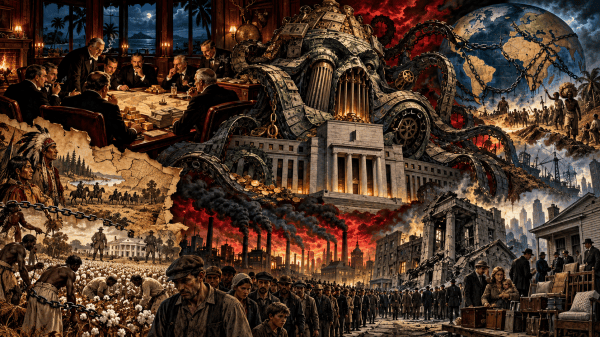
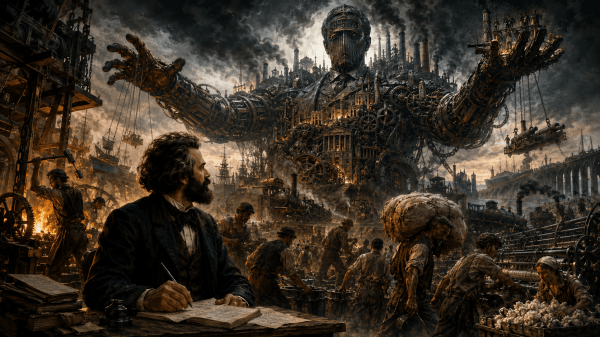
Capitalism After the Robbery: Adam Smith, the Wealth of Nations, and the Clean Alibi of Bourgeois Political Economy

Adam Smith’s The Wealth of Nations is a twisted tale masquerading as a free-market manifesto, one that defies the naive faith bestowed upon it by neoliberals. It exposes capitalism's fundamental contradictions, revealing how labor produces wealth while class divides it unjustly. Smith acknowledges the state's crucial role in maintaining this order, contradicting the myth of an autonomous market. He scrutinizes colonialism and monopoly yet ultimately upholds capitalist structures. Historical materialism challenges his framework, demanding accountability from the beneficiaries of this exploitation. As we dissect Smith's insights, we unearth his omissions, seeking a world where labor governs—transforming capitalism's alibi into an indictment of its foundation.

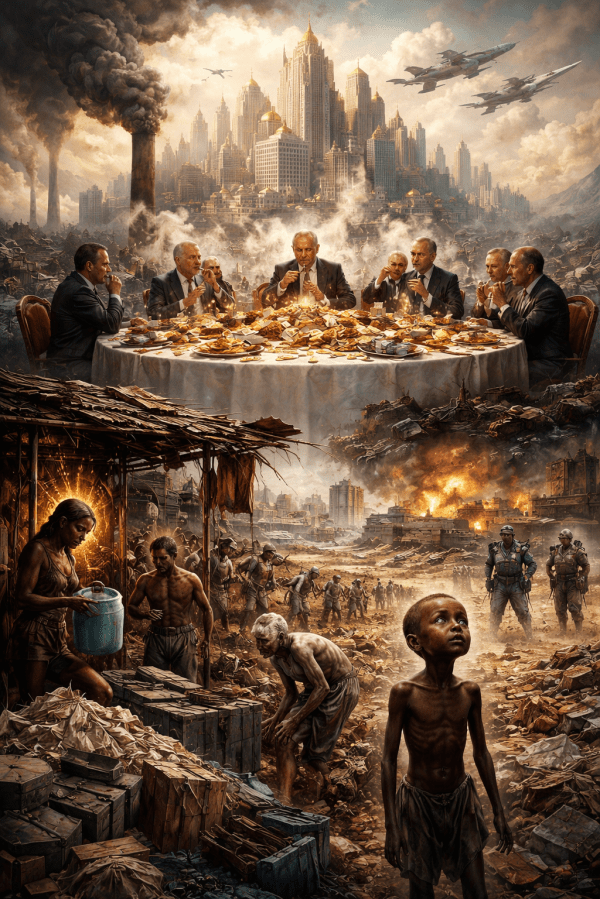
Growth Without Development: How Capitalism Produces Abundance, Manufactures Poverty, and Calls It Progress

In The Political Economy of Growth, Paul A. Baran dismantles the myth that growth is neutral or benevolent, exposing it as a class project rooted in surplus extraction and imperial power. He shows how monopoly capitalism turns productivity into waste and development into stagnation, both at home and across the colonized world. Against liberal economics... Continue Reading →

Capitalism in a Glass Case: How Empire Is Rewritten as Curiosity

A Weaponized Propaganda Excavation of Fortune’s polite history of capitalism — exposing how imperial conquest, plantation slavery, and state violence are laundered into an academic travelogue for the professional–managerial class. By Prince Kapone | Weaponized Information January 21, 2026 How Fortune Turns Empire into a Museum Exhibit The article under excavation—Nick Lichtenberg’s January 18, 2026... Continue Reading →

Website Powered by WordPress.com.

Up ↑