Keeping to the Socialist Path: Laos, China, and the Machinery of South-South Development
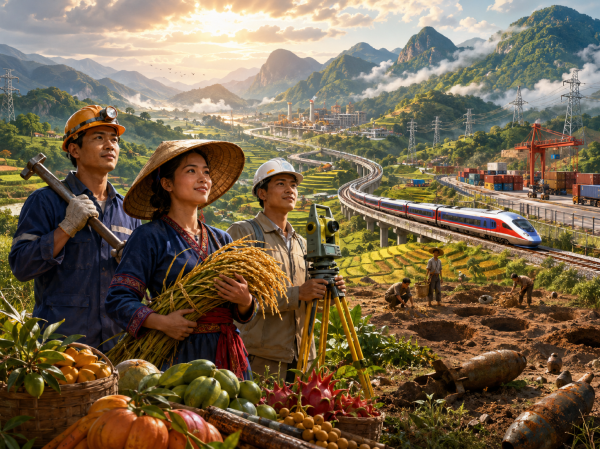
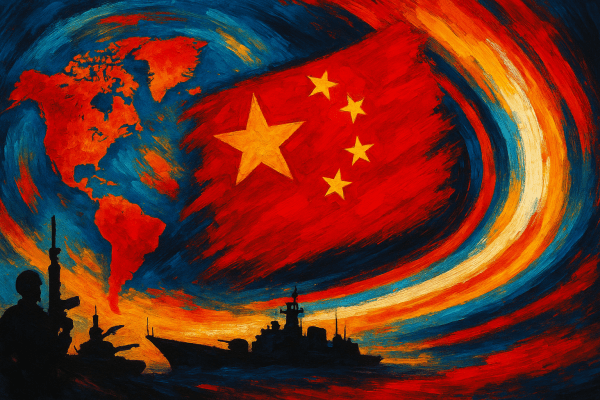
The June 2026 Laos-China state visit unfolded as a significant convergence between two socialist nations navigating their intertwined ambitions amid a capitalist-imperialist world. Rather than surrendering to the narrative of a “debt trap,” Laos and China embraced a collaboration marked by political intent, evidenced in thirty-two agreements across sectors like agriculture and technology. This partnership aims to transform Laos into a self-sufficient state, guided by its revolutionary history. The imperial media, however, conveniently ignored this cooperation, as it undermines their narrative of helpless nations. Laos, now reclaiming agency, is no longer portrayed as a mere victim but as a sovereign actor defining its path to development.

Hands Off Tanzania: The West Discovers Democracy When Africa Stops Asking Permission

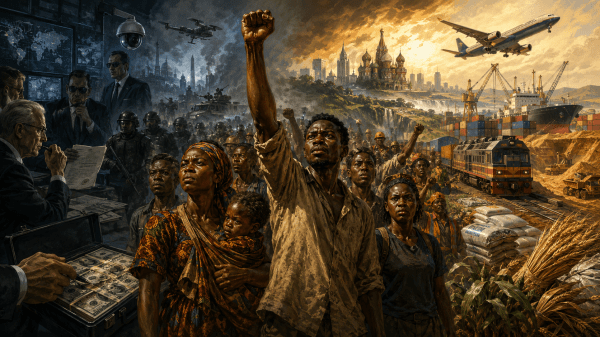
Tanzania's diplomatic dance with Russia unveils a stark reality: while Western media narrows the narrative to a disobedient state seeking validation from imperial powers, the true story is a nation striving for sovereignty and survival. President Hassan’s trip, framed as a scandal by Western outlets, masks the pressing needs of food security, trade, and military cooperation. The West frames Africa’s foreign policy through its lens, yet Tanzania’s pursuit of diverse partnerships challenges this monopoly. This isn’t merely about a president’s reputation; it’s about a country's right to self-determination. The true scandal? Tanzania’s defiance shakes colonial chains, invoking both anxiety and resentment from its former overseers.

NBC’s Cuba Narrative and the Siege It Refuses to See

NBC’s coverage frames Cuba’s economic adjustment as a dramatic crisis, but a close reading of the article reveals the narrative techniques and framing devices used to construct that impression. Beneath the headline lies a far denser economic terrain shaped by sanctions, energy shortages, inflation, and the long search for productive stability under siege. When these... Continue Reading →

Socialism Under Siege: Civil War, Degeneration, and the Fight to Keep Power in the Hands of the Masses

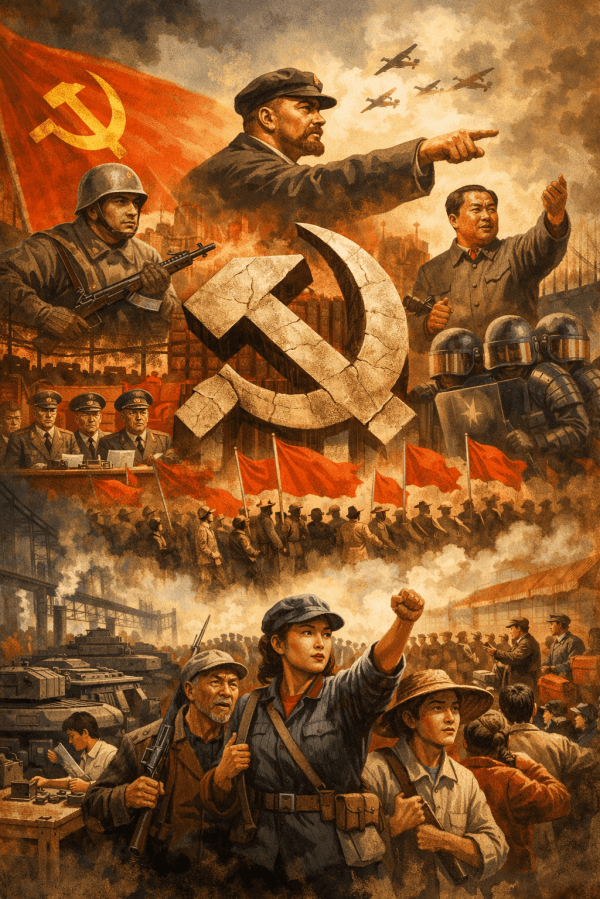
Socialism has never developed in peace. Forced to build under permanent imperial encirclement, every revolution has faced the same central contradiction: how to defend power without allowing administration to replace politics and coercion to substitute for mass legitimacy. Tracing this struggle from 1917 through Mao and into post-Mao China, this essay argues that siege is... Continue Reading →

Strangled In The Cradle: Sanctions, Siege, and the Imperial War on Socialist Development

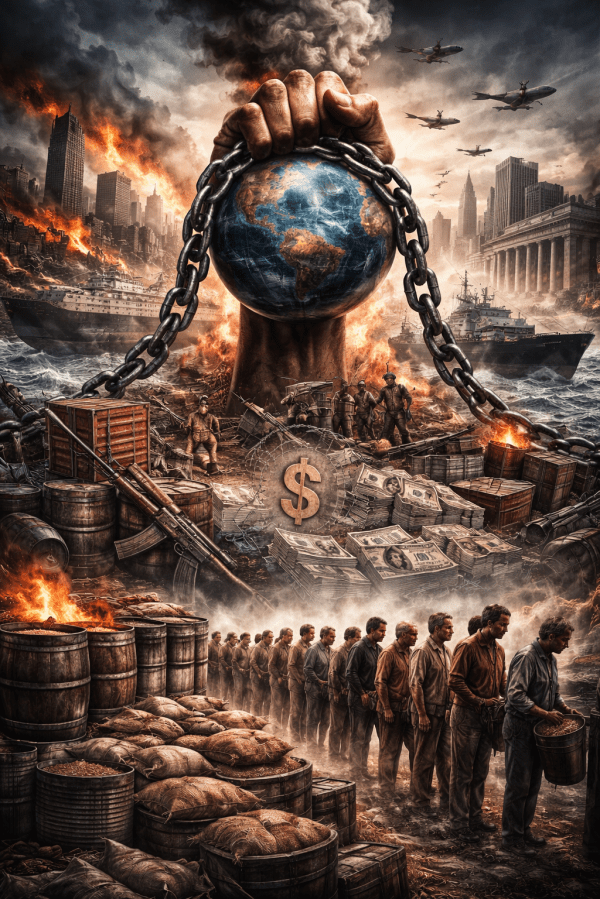
How imperialism strangled socialist revolutions through sanctions, blockades, and economic warfare—and why socialism was never judged on its own terms, but only under siege. By Prince Kapone | Weaponized Information | December 24, 2025The Alibi They Hand You When They Don’t Want You to Ask Who’s Holding the Knife“Socialism never worked anywhere.” You’ve heard it... Continue Reading →

China’s “Year of Temptation”: How The Economist Manufactures Fear in an Age of Imperial Decline

A Weaponized Information excavation of Western propaganda, global power shifts, and the struggle for a just multipolar world.By Prince Kapone | Weaponized Information | November 17, 2025Temptation as a Weapon: How the Economist Manufactures China’s “Hubris” The point of departure for this excavation is an article published by The Economist, “China will be tempted to... Continue Reading →

From Flank to Fulcrum: Türkiye, the Crisis of Atlanticism, and the Socialist Tendency of Multipolarity

How Türkiye’s break with the West signals not merely a geopolitical realignment but a civilizational reorientation — one that exposes the contradictions of global capitalism and opens the path toward a new socialist world order. By Prince Kapone | Weaponized Information | October 12, 2025 The Cracks in the Atlantic Wall For seventy years, Türkiye... Continue Reading →

Website Powered by WordPress.com.

Up ↑