The Bill for Command: Hormuz, Treasury Yields, and the Rising Cost of American Power
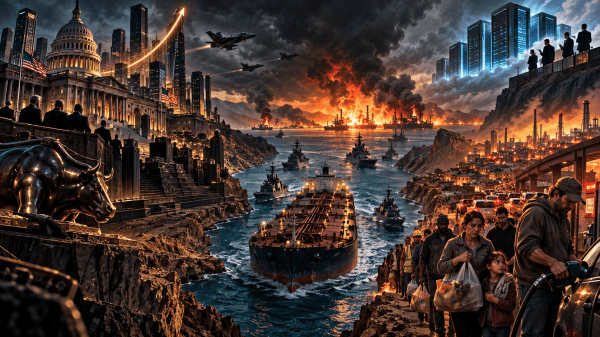
NBC presents falling stocks, rising Treasury yields and volatile oil as separate market reactions to war. Put the pieces back together and a deeper political economy appears. The struggle over Hormuz is raising the cost of energy and global circulation while Washington is already refinancing enormous debts under sharply higher real yields. Those pressures don’t fall evenly: workers, indebted households and vulnerable importing countries absorb higher costs while energy producers and concentrated technology capital occupy very different positions. What looks like market turbulence is really a struggle over the rising material and financial cost of American command—and who gets forced to pay the bill.

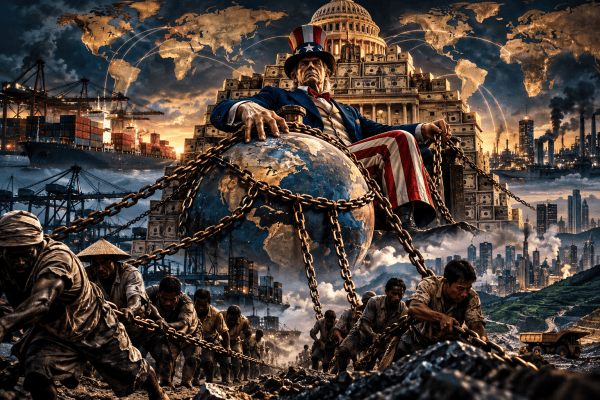
The Debtor Became the Banker: How America Learned to Rule the World by Owing It Money

Michael Hudson's "Super Imperialism" reveals capitalism's peculiar twist: the U.S. transitioned from a great creditor to a dominant debtor, utilizing its debts as leverage in a world where power dynamics are shifting. Post-World War I, American financial institutions crafted a system that exploited other nations through debt, claiming to promote development while actually enforcing dependency. The contradiction lies in the U.S. controlling the world's currency even as its productive supremacy fades. As the global landscape evolves, the implications of dollar dominance become increasingly tenuous, demanding us to confront a crucial question—who ultimately commands the productive forces that money can influence but not generate?

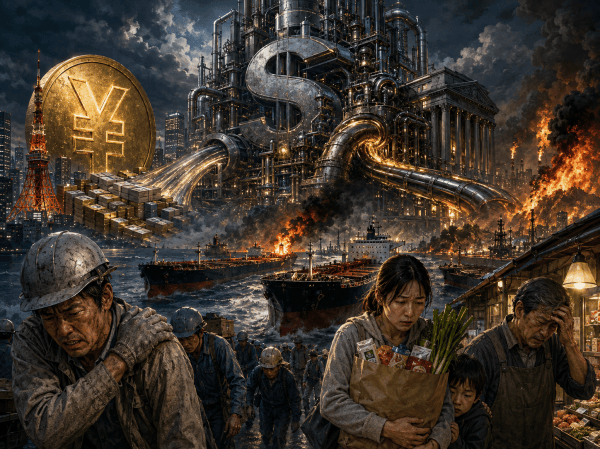
Japan Can Shake the Dollar, but It Can’t Set the Rules: The Yen Inside the Dollar Machine

Reuters treats the yen’s violent swings as a market mystery, but the real story runs through the machinery of dollar-centered finance. Japan is a wealthy imperial-core creditor with enormous reserves and U.S. assets, yet its monetary choices remain constrained by U.S. rates, Treasury markets, imported energy, public debt, and capital flows. That dependence is reciprocal but unequal: Japanese instability can hurt Washington even as Tokyo adjusts inside a system it doesn’t command. And the costs travel downward. Workers win raises, then war-driven oil shocks, currency weakness, and inflation threaten to eat them away—turning monetary sovereignty into a class struggle over who pays.

Website Powered by WordPress.com.

Up ↑