Bessent’s Dollar War: Iran, Imperial Recalibration, and the Rising Cost of American Command

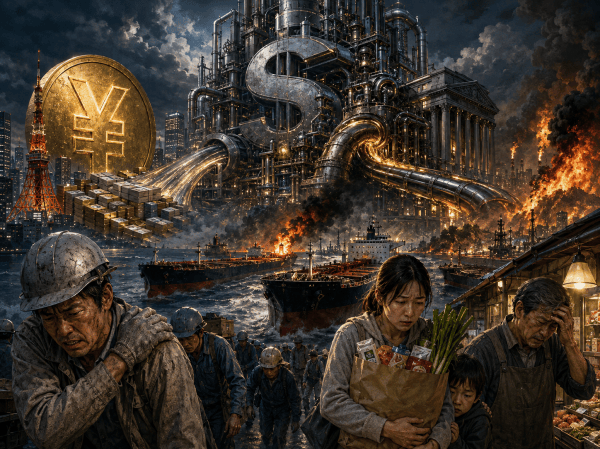
Scott Bessent’s Operation Economic Outcast exposes the machinery beneath U.S. financial power. Washington is not merely sanctioning Iran; it is pressuring governments, banks, ports, airlines, and corporations across the world to enforce American policy or risk exclusion from the dollar system. The campaign reveals a deeper process of Imperialist Recalibration: as U.S. command becomes harder to reproduce, inherited financial and military advantages are wielded more openly and coercively. Yet every act of compulsion also strengthens the incentive for sovereign alternatives. The struggle is over who controls the infrastructure of global economic life—and who gets to say no.

The Wall Produces the Ladder: How America’s China Scare Turns Exchange Into Evidence of Threat

China’s Young Envoys program is openly political public diplomacy, but that is not the same thing as communist indoctrination, infiltration, or espionage. This essay excavates how KOMO and Defending Education turn educational exchange into a national-security threat by collapsing contact, influence, ideology, and subversion into one Red Scare narrative. Beneath the panic lies a deeper contradiction: U.S. efforts to isolate China generate the very Chinese counter-communication then cited as proof that greater isolation is necessary. The result is a narrow imperial provincialism that treats direct encounter with another civilization, its ideas, and its socialist project as something Americans must be protected from.

Axis of Sovereignty: Why China, Russia, Iran, and the DPRK Terrify the Empire

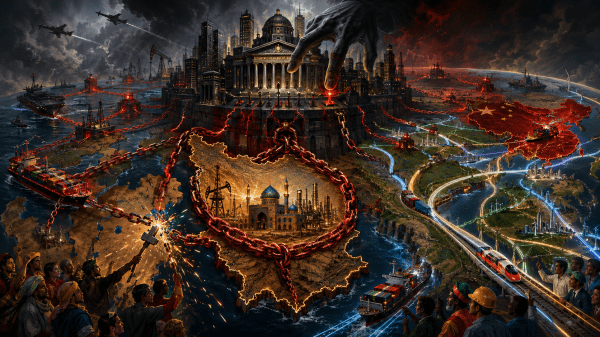
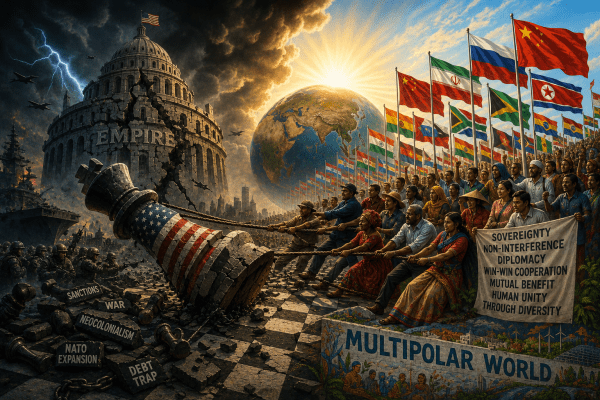
In a provocative shake-up, Foreign Affairs describes China, Russia, Iran, and DPRK as a nascent threat, labeling them "worse than an axis." This insinuation reveals a deep-seated imperial anxiety rather than a justified concern over a military conspiracy. These nations are forging multipolar alliances that challenge Western hegemony—an act of sovereign defiance unsettling the imperial status quo. The article underscores an inherent fear of an empowered Global South, no longer obedient to the West’s dictate. It’s not about a looming conquest but about nations rising to reclaim their sovereignty, thus threatening the very structure that sustains Western dominance. Forget the “axis” narrative; recognize the emerging world order as a potential liberation movement for the oppressed.

The Guardian’s “Raw Deal” and Washington’s Fine Print: Zambia, Health Aid, and the Politics of Conditional Care

A liberal alarm rings in the pages of The Guardian, exposing troubling terms while leaving the aid architecture itself intact. The material terrain reveals how debt-shaped constraints narrow Zambia’s choices before any negotiation begins. The agreement fuses life-sustaining health systems with mineral governance and long-term informational commitments. Across the Global South, emerging refusals and alternative... Continue Reading →

Website Powered by WordPress.com.

Up ↑