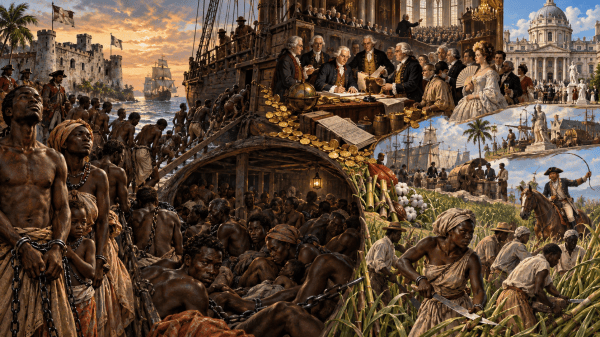
Britain’s slave trade wasn’t a barbaric side story to the rise of modern freedom. It was woven into the property system through which merchants, investors and institutions accumulated wealth while African captives were turned into human commodities. Parliament widened access to the trade, slave-linked fortunes entered industry, science and philanthropy, and abolition later compensated former owners while forcing the formerly enslaved through apprenticeship. The deeper contradiction wasn’t simply freedom versus slavery, but a society where the freedom of property holders could expand through the unfreedom of the owned. Today, reparations movements are reopening that buried ledger.
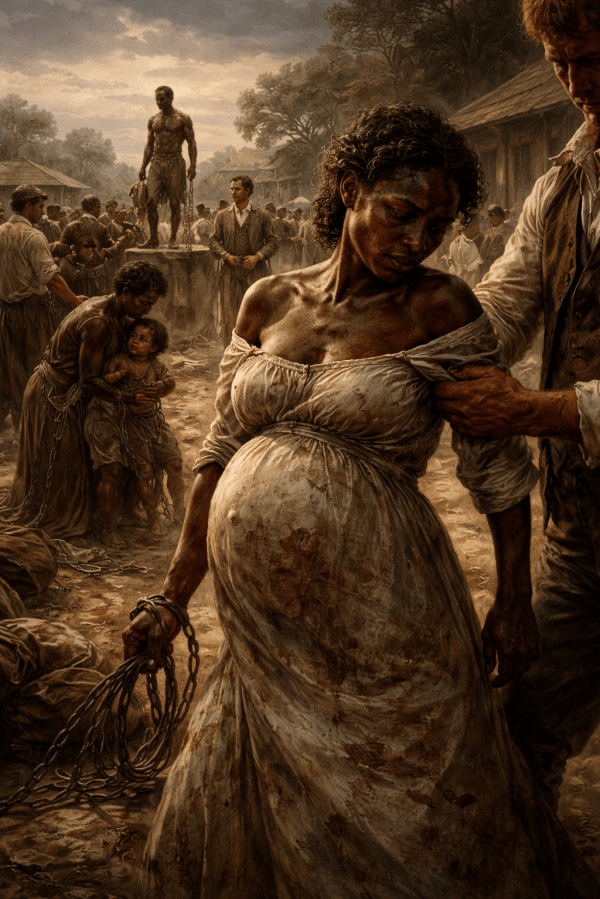
The Capitalized Womb: How Slavery Turned Black Women’s Reproduction into American Wealth
JSTOR’s tidy little history lesson reveals something real, but only after liberal scholarship scrubs the auction block clean enough for polite readers. Beneath the archive sits a system that turned rape, forced birth, and hereditary bondage into law, credit, and capital. The real story is not bad science gone astray, but a slave order using... Continue Reading →
From “Much Abuse” to World Domination: How the Los Angeles Times Manages the Memory of Conquest
This Weaponized Propaganda Excavation shows how the Los Angeles Times reduces colonial conquest to the language of diplomatic regret and historical moderation. It reconstructs the underlying reality of that conquest as a system of mass death, forced labor, and global resource extraction. It reframes this process as the foundation of the modern capitalist world economy... Continue Reading →